Update on the U.S. Military Intervention in Iran | March 20, 2026
ATHENALAB DOCUMENT No. 3 | Tracking the Evolution of the Conflict
What has occurred since our last report on the conflict?
Twenty days have passed since the start of Operation Epic Fury. The conflict has exceeded the short-term projections outlined in earlier reports and has consolidated into a medium-intensity regional conflict with no clear signs of an imminent end. The most relevant developments during this period are as follows:
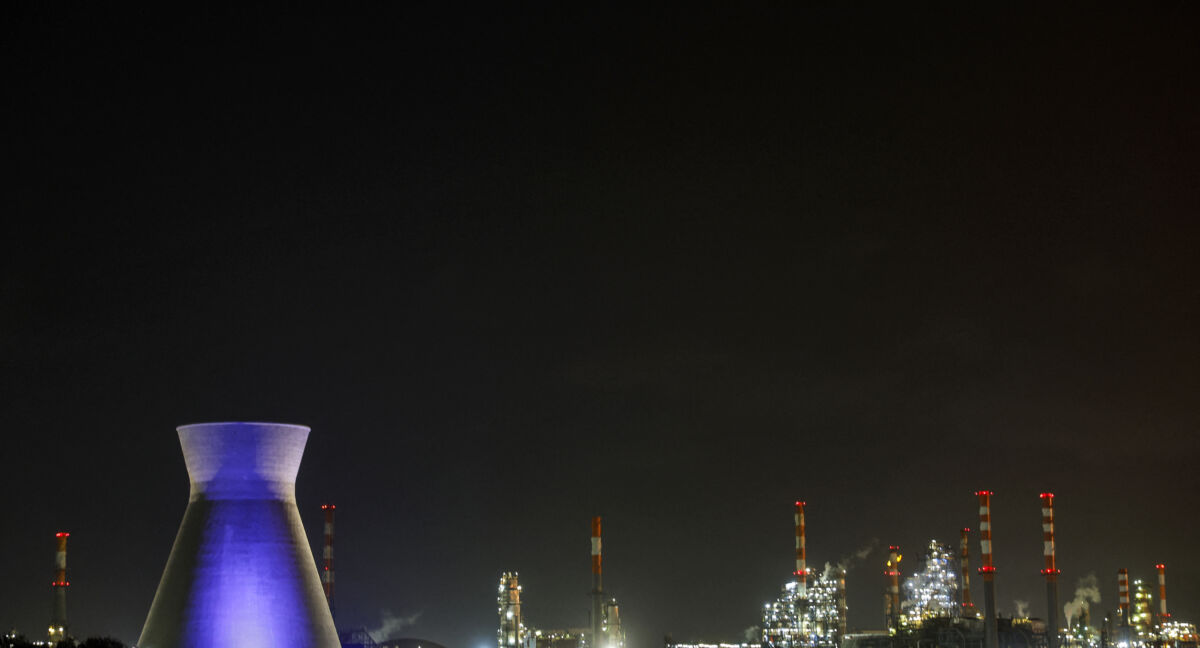
- U.S. and Israeli operations have not stopped and, in recent days, have expanded toward strategic facilities, including energy infrastructure, which the US had previously avoided.
- The regime has shown greater resilience than anticipated. The formal succession after Khamenei’s death concluded without visible institutional collapse, while the IRGC has reinforced its central role in the conduct of the state.
- Iran continues to reject negotiations under fire and has intensified missile and drone attacks against U.S. bases in the Gulf, energy infrastructure in countries allied with the United States, and Israeli targets. Even so, the intensity of these attacks has gradually declined.
- At the same time, actions on Lebanese territory have escalated and now constitute a second active front of the conflict. Israel launched limited ground operations in southern Lebanon to dismantle Hezbollah’s military infrastructure south of the Litani River. The movement’s Shiite support base shows growing frustration at having been drawn into a new conflict, which could introduce a relevant internal fracture in its political cohesion.
- The Strait of Hormuz has consolidated as the area of greatest systemic impact in the conflict. Brent crude prices have surpassed 120 dollars per barrel, and projections extend that impact into the medium term. A highly significant development is that Chinese and Indian tankers continue to transit through Hormuz, while Western trade remains disrupted.
- The diplomatic dimension remains formally stalled. Iran has ruled out requesting a ceasefire while allied attacks continue, and the United States has indicated that it has no interest in negotiations at this time. China and Russia continue to provide political support to Tehran, with Moscow supplying satellite intelligence to Iran.
Assessment of the declared objectives
Of the objectives identified in earlier documents, only the degradation of Iran’s military capabilities shows concrete progress. The air campaign does not ensure the halt of that country’s nuclear program. Likewise, regime change now appears even more distant, with the IRGC consolidated in control of the state. The Trump administration has repeatedly adjusted its statements on the timeline and scope of the operation, so the U.S. political definition of success remains ambiguous.
Moreover, Israel’s decision to begin strikes on Iranian energy infrastructure—something the United States had apparently avoided—could cast doubt on the actual level of coordination and integration behind the war’s objectives, beyond the nuclear issue and Tehran’s ballistic missile capabilities.
Possible short-term scenario
On the one hand, Iran will likely try to prolong the conflict for as long as possible while keeping navigation disrupted, within the limits imposed by its remaining strike capabilities. As previous reports have argued, regime survival will remain Tehran’s highest priority and, under current conditions with operations centered on air strikes, little indicates that it faces severe danger.
On the other hand, the United States could push to end hostilities as soon as possible and declare that it has fulfilled all stated objectives. A prolonged conflict will only increase domestic criticism and could generate relevant political costs in an election year. However, Washington no longer controls that outcome on its own. First, its partner in the campaign—Israel—appears to assign greater importance to regime change and to Iran’s strategic degradation. Second, the outcome depends on Tehran’s willingness to stop its attacks, which will probably entail major demands.
Even so, if air strikes combined with other actions inside Iran begin to affect internal stability, an opening could emerge to resume negotiations through diplomatic channels, although under conditions more demanding than those in place before the conflict. That, however, would take time.
Finally, based on current trends, it seems difficult that other powers will intervene beyond what is already visible. Russia benefits from higher oil prices, and China is watching the erosion of the United States in both strategic and diplomatic terms.
Final considerations and implications for Chile
- The energy impact on Chile has deepened. As an economy that depends on hydrocarbon imports, Chile will face deterioration in its trade balance in a context of prices that could remain high for a prolonged period, especially because it lacks strategic reserves comparable to those of economies better prepared for this type of shock. On the diplomatic front, Chile has avoided alignments that could constrain future room for action, with particular attention to its relationship with China.
- The evolution of the conflict confirms that, although military action can alter the military balance, its ability to produce deep political transformation remains limited without favorable internal conditions. In that sense, the resilience of the Iranian regime emerges as a structural factor that shapes the strategic options available to the United States and Israel.
- The importance of clearly defining political objectives in a conflict relates directly to the fact that those objectives determine the strategy designed to achieve them. For that reason, if a government decides during the conduct of operations to expand, modify, or reduce those objectives, it will necessarily have to adjust or change its strategy. In the development of this conflict, we may be observing some misalignments in that process.
- In the same way, the type, characteristics, and scope of the objectives will determine the strategy and the means employed to achieve them. If the idea of pressing for regime change in Tehran grows and becomes a central goal for the United States, then Washington will need to change its strategy and, certainly, bring in other means that can secure that objective.
- Likewise, the conduct of the actors involved suggests a preference to avoid broader regional escalation, which has helped keep the conflict within certain limits. Even so, the coexistence of multiple risk vectors—proxies, miscalculation, and economic pressure—keeps the level of uncertainty high.
- From a broader perspective, the conflict reinforces trends already visible in the international system, such as the use of force as an instrument of coercion, the difficulty of articulating effective multilateral responses to high-intensity crises, and the growing relevance of technological capabilities—drones, interceptors, and the space domain as support for operations—while always depending on context and on the objectives at stake.
Alejandro Amigo & Marcelo Masalleras
March 20, 2026