COLUMN | Children First in the Drug Trade
This article was translated automatically and may contain differences from the original. For reference, read the original.
- by Pilar Lizana
- Opinion
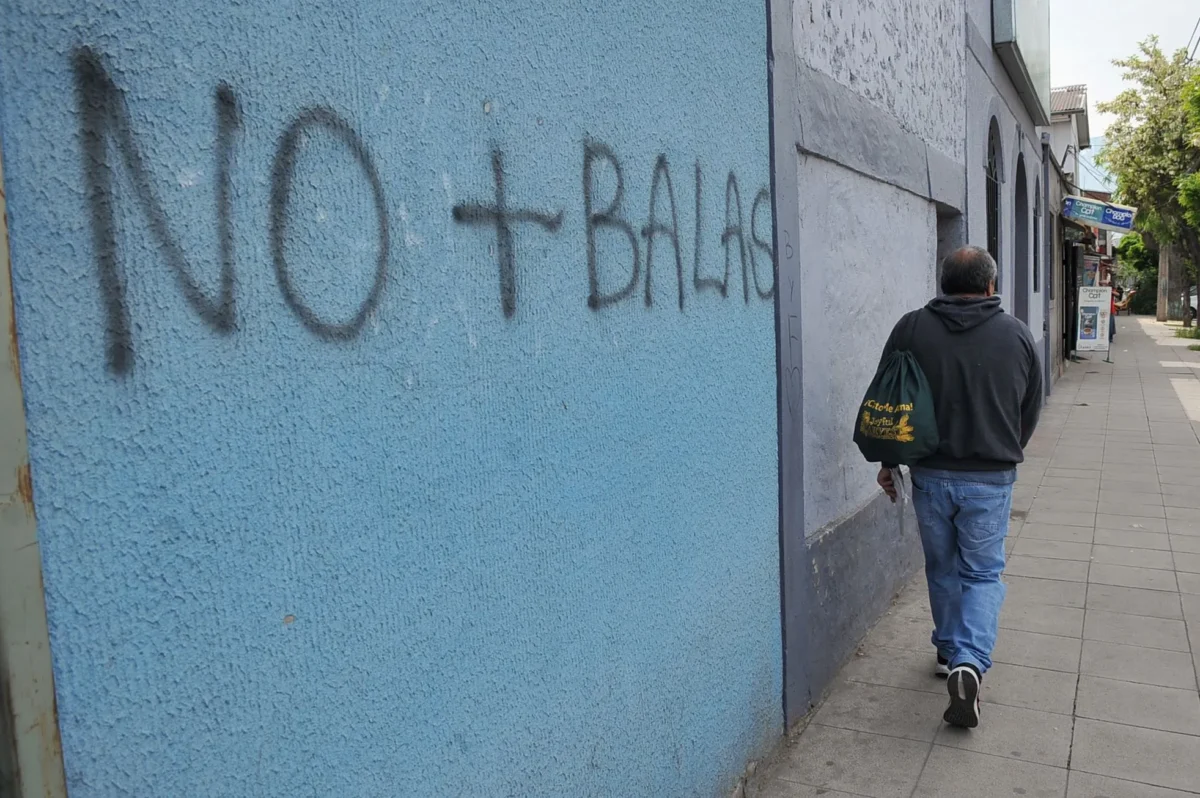
They are first because they are the weakest link, the cannon fodder that does the dirty work, and if they manage to extend their lives beyond the age of 25, they aspire to leadership positions in the criminal environment.
Just because we do not see it does not mean it does not exist. We must remove the blindfold from our eyes; today, in Chile, there are children under 10 years old who are already using firearms and working as soldiers for drug traffickers.
Chile, Chileans, and our democracy can no longer bear to hear the argument that we are better off compared to the neighborhood. In a meeting, I heard someone say that the snapshot of Chile looks very good, but that the movie is not so great—how right they were! It is that snapshot that shows us better than others, but it is the movie that we should be watching.
More than 50,000 children and adolescents have dropped out of the school system. Of those, just over 33,000 registered to take free exams, but around 15% did not show up, and another significant number did not pass. At the end of the day, among those who failed, did not show up, did not register, or simply do not have enrollment, about 27,000 students are out of the school system. Where do those children go? Probably to the streets.
School is that space for learning, but it is not just about learning content; school is where friendships, loyalties, and those groups of trust that will accompany us throughout our lives are formed. It gives us a sense of belonging that is different from that of family, connects us with our community, teaches us to contribute to it, and to choose our path.
We cannot say that this is happening in Chile. Those nearly 30,000 students outside the classroom are also seeking a way to progress; they are also looking for a group to belong to and be loyal to. The problem is not that they find it outside of school; the problem is that they find it in local criminal gangs that recruit them to be their soldiers. Gangs like the one that the child aged between 8 and 10 years belongs to, who fires into the air for a criminal group in the fifth region.
The drug trade also seeks to put children first in line, but in a very different line than we imagine. They are first because they are the weakest link, the cannon fodder that does the dirty work, and if they manage to extend their lives beyond the age of 25, they aspire to leadership positions in the criminal environment.
The government has abandoned our children, not only in education but also in the protection it should provide them during their most vulnerable moments. Among the adults arrested, between 40% and 50% have been in some Sename center, places where, in theory, those children should be protected from their complex environments.
The future of Chile is being mortgaged, and that makes the movie so bad; it is not the current worsening of the indicators that shows only the snapshot.
This week, there was talk of updating the Streets Without Violence plan, and in general, the debate on security has focused on the work of the institutions associated with the Ministry of the Interior, but nothing has been said about how poor public policies in education and child protection are creating a conducive environment for criminal recruitment.
The adults of the future are the children of today; we will not have great individuals to advance Chile if the little ones are not protected and supported as they should be.


