COLUMN | José Antonio Kast and Chile's Foreign Relations
This article was translated automatically and may contain differences from the original. For reference, read the original.
- by Richard Kouyoumdjian
- Opinion
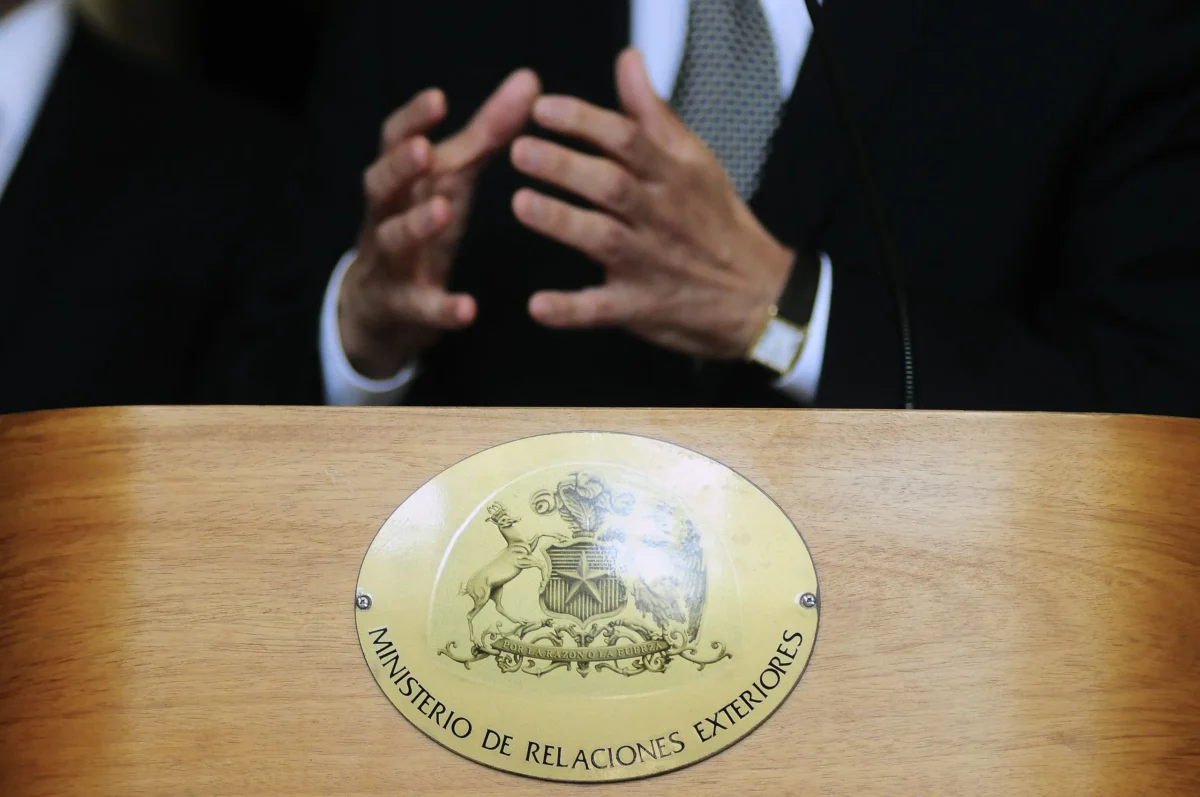
If we manage to make the national interest the focus of foreign policy, we will have made significant progress and a noticeable improvement over what we have seen in the last 20 years.
This column on foreign relations is the third and final installment in a series that includes the challenges José Antonio Kast faces in national security and defense, all of which are clearly interconnected topics and part of the broader concept known as National Security.
The current government leaves Chile’s foreign relations in a somewhat deteriorated state. President Boric began with a chancellor and a team that sought to implement a foreign policy emphasizing identity and ideology, manifested in the so-called feminist and turquoise foreign policies.
Chancellor Urrejola, like some of her predecessors, made the mistake of confusing means with ends. The goal of foreign policy is Chile’s national interest. Whether to apply strategies or means that emphasize feminist or environmental (turquoise) issues will depend on the end that foreign policy seeks, but they cannot be ends in themselves, as has also been the incorrect use of multilateralism and the rules-based global order.
Boric and his chancellery subsequently made a second mistake that directly contradicted the national interest by attacking Israel and the United States. One is a strategic defense supplier, and the other is the main global power. In one case, it affects the weapon systems used by the Armed Forces, and in the other, it jeopardizes our trade and national security.
The President also did not demonstrate exemplary management of neighborhood relations, which, along with relations with China and the United States, should be the priority of the Chancellery. Instead, he focused on developing relations with clearly leftist and progressive Latin American countries such as Mexico, Colombia, Brazil, Uruguay, and Spain, several of which attended the summit that Boric organized in Santiago in July 2025, something that clearly qualified as a personal indulgence.
Assuming the polls are correct, José Antonio Kast will assume the presidency on March 11, 2026. Foreign policy will be important, but not one of his priorities, which will mainly focus on public security emergencies and economic growth.
That it is not a priority does not mean that nothing will be done. Following the logic that foreign relations should seek to protect the national interest, he will need to rebuild relations with the Americans and the Israelis, who have already indicated that they expect Kast’s arrival in the presidency to normalize relations with Chile.
Addressing public and internal security in Chile will require the cooperation of Peru, Argentina, and Bolivia. All three countries suffer the consequences of organized crime, and it is entirely logical for them to work together on issues of borders, illegal immigration, and transnational crime. We must take advantage of the winds blowing in La Paz and the desire for security that exists in both Lima and Tacna.
Everything indicates that Kast will follow the logic that one should seek to have good relations with neighbors, commercial and tourist integration as much as possible, and adhere to the basic principle of not intervening in internal affairs as well as not coveting others’ property. Chile has negative political objectives, a fundamental principle of our foreign policy. Our borders and property rights are established by treaties, which we expect to be upheld, or otherwise we will enforce them. We do not seek conquest, but rather to live in peace, secure, free, sovereign, developed, and happy.
We should not divert our attention to issues that are not a priority. Piñera fell into the error of seeking political freedom for Venezuela, something important and desirable, but not necessarily in the national interest, which is why his effort to risk so much in that endeavor, which had no clear returns for us, is not understood. Let President Trump deal with Maduro and his team. We already have enough to manage with the Venezuelan diaspora and the organized crime that took advantage of their arrival to infiltrate Chile.
The potential return of Venezuelans seeking to go back to their homeland once Maduro falls will be a significant issue, primarily a matter of foreign relations, which, if managed well, will not only enhance the prestige of the new government but also help alleviate local problems associated with the illegal immigration that has overwhelmed us.
It would be very helpful for José Antonio Kast to appoint a chancellor of stature, with experience, like Teodoro Ribera, who also has the advantage of coming with a proven team that knows how to operate effectively and understands the national interest. Having a chancellor of this caliber allows him to focus on his responsibilities, on politics, to be president, head of state, head of government, and head of the coalition.
It would be advisable, as a complement to a good team leading the chancellery, to have a National Security advisor on the second floor, in order to coordinate the presidential agenda and efforts with the Carrera building, avoiding the mistakes made in Piñera’s administrations, where it was common to see disorganization or international blunders that later had to be rectified. One thing is for the Constitution to assign the responsibility for conducting foreign relations to the President of the Republic, and another is for it to be taken literally seriously; it is better to delegate this matter to the Chancellery and the advisory councils that have never been fully utilized.
In conclusion, if we manage to make the national interest the focus of foreign policy, we will have made significant progress and a noticeable improvement over what we have seen in the last 20 years. If we also assemble a good team, we will soar.


