COLUMN | On the Ambassadors of the Republic of Chile and National Interest
This article was translated automatically and may contain differences from the original. For reference, read the original.
- by Richard Kouyoumdjian
- Opinion
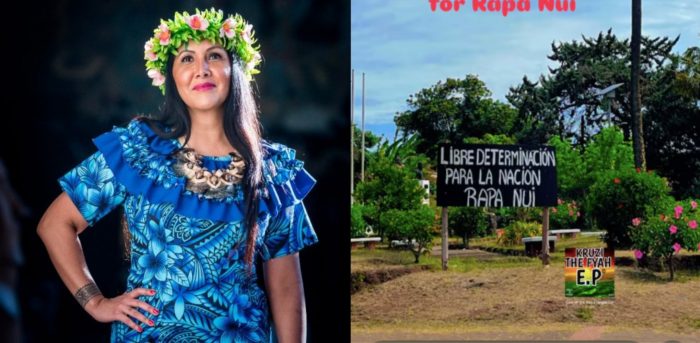
It is time for the institutions to function and for the Ministry of Foreign Affairs to act in accordance with its procedures and regulations. For now, Rapa Nui and its nearly 10,000 inhabitants are Chileans just like the other 20 million we should be by 2025.
I thank former ambassador Namuncura for his opinion column in this medium. The former ambassador emphasizes the issue of self-determination in his column, a topic sought by many, but which – I recall – was rejected when the constitutional project of the Constitutional Convention was not approved in September 2022, with the Constitution of Lagos remaining in effect more than ever.
62% of voters rejected a proposal that emphasized, among other things, plurinationality, as well as economic and social privileges for some Chileans. One would have expected this to be a settled matter, but it is understood that the self-determination of peoples may be an idea that continues to excite many. However, there are those who – despite liking the concept – must keep it in their private sphere, especially when they are government officials, members of the Ministry of Foreign Affairs, or ambassadors or diplomats representing all Chileans.
The position of Ambassador Pakarati regarding the self-determination of Rapa Nui was known to many. She is a Chilean born in Santiago, with a father of Rapa Nui descent and a mother with a Spanish surname (Novoa), with 28 years in the diplomatic service. She is a career ambassador, educated at the Andrés Bello Diplomatic Academy of Chile, a person who is expected not to have made mistakes more typical of non-career ambassadors.
Ambassadors and diplomats, for better or worse, cannot indulge in personal whims or deviations from the script when representing the State of Chile and all Chileans. To ensure compliance with this, the Ministry of Foreign Affairs establishes clear protocols for them when they appear in the press or discuss topics they may address. A government official is one 24 hours a day, 365 days a year. They cannot afford the luxuries in the press and social media that are typical of private individuals.
It would be expected that an ambassador, especially one with a career, would have a clear understanding of the principles and priorities of Chile’s foreign policy, including sovereignty and territorial integrity, as well as what is indicated in the Constitution of the Republic regarding the unitary condition of Chile, and the conditions of nationality and citizenship that apply to all of us.
It is evident that the State of Chile has outstanding debts with its insular territories in the South Pacific, something that is more than clear in the case of Easter Island or Rapa Nui. The investment made is insufficient, and clearly much more can be done in terms of port and airport infrastructure, security, defense, education, and health.
Ambassador Pakarati may have thought that self-determination would improve these aspects, but this clearly shows a misunderstanding of how things work in this world, a world where self-determinations tend to work against rather than in favor. Yes, the State of Chile must be held accountable, but not with a constant secessionist and independence threat. The integration of Rapa Nui into Chile has been settled since 1888.
In summary, the imprudent action of Ambassador Pakarati of Chile is not understood. Perhaps she has other plans for her future outside the realm of public service and the Ministry of Foreign Affairs, which – if so – were not very well planned and executed. It is time for the institutions to function and for the Ministry of Foreign Affairs to act in accordance with its procedures and regulations. For now, Rapa Nui and its nearly 10,000 inhabitants are Chileans just like the other 20 million we should be by 2025.


