On the State of National Defense in Chile
This article was translated automatically and may contain differences from the original. For reference, read the original.
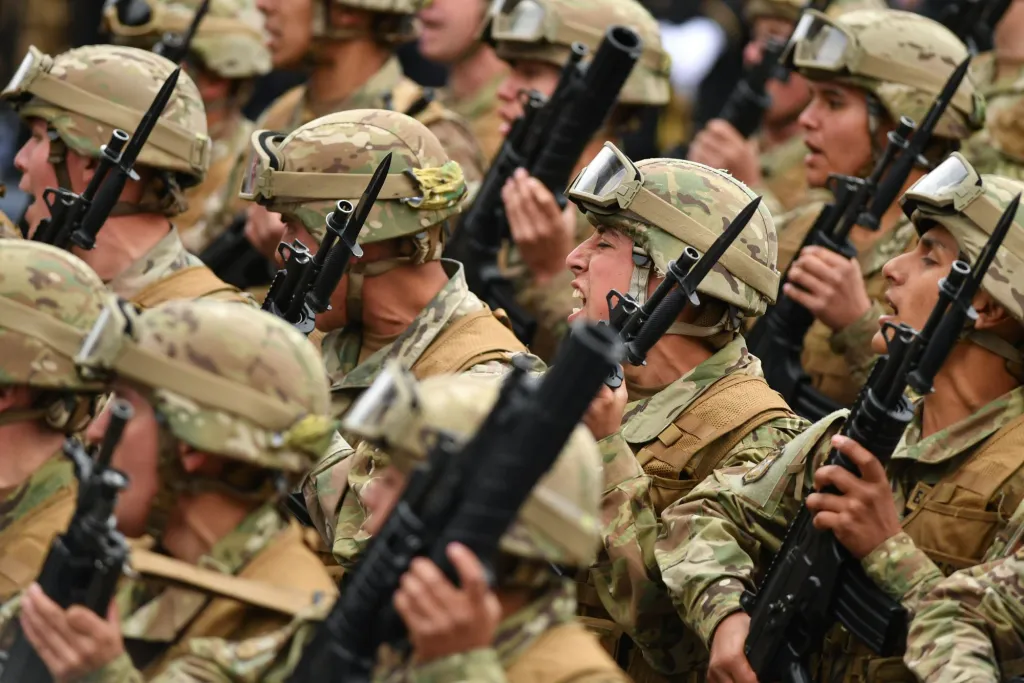
Moving forward with the new constitutional state of emergency for public security not only impacts the doctrine and preparedness of institutions for war, but also further strains the already weakened budget.
Wednesday, September 30, 2026, is the deadline for the submission of the 2027 budget bill, which must be approved and dispatched by Congress before the end of November. In the case of National Defense, it includes both the operational budget and the investment budget, which is also known as the strategic capabilities financing budget.
The Minister of National Defense, in his public report at the end of July this year, indicated that the law on strategic capabilities financing is not functioning adequately and that it is necessary to “explore other alternatives that guarantee a constant, sufficient, and guaranteed flow of resources for the sector.” What the ministry will present in this regard is a mystery, but considering the criticality of the issue, we hope for some clarity on the matter. The previous administration can no longer be blamed; this is now an issue for the current team managing National Defense. We need to make significant investments that can no longer wait; otherwise, we literally risk being left without a navy or combat aviation by 2040.
The operational budget has institutions under significant strain, especially considering the additional work they are asked to perform in northern and southern Chile. How long will they be able to maintain the current operational model with the budget assigned to them without substantially modifying what they are and what they do? That is the big question. Has the time not come for a profound reengineering?
Currently, maintenance is restricted, training is minimal, and flying and sailing are limited to what is strictly necessary. This is not the first time this has happened in Chile, but it was more characteristic of the impoverished Chile from 1930 to 1975, a period we thought we had left behind, one in which we primarily relied on the charity of the United States, which provided us with ships, submarines, combat and transport aircraft, helicopters, tanks, artillery, and much more, with some exceptions being purchases we made in the United Kingdom in naval and aerial matters. Experience shows that when Chile is weak in its strategic capabilities, we do not fare well and suffer the consequences. We have forgotten that deterrence pays off.
It would have been beneficial to have the defense policy and military policy in place by now; having it only in November, after the budget has been presented and approved, is a waste of effort and time. It is difficult to understand why governments struggle to align one thing with the other, as this should have been something they reviewed before taking the helm of the country. If this is the case, one would suspect that what will be presented this year as a budget is yet another of the so-called continuity budgets, the same ones we had under the previous government, which seek to avoid the fundamental discussion: the type of National Defense we need, accepting its cost, or conversely, how much we are willing to spend, understanding the limitations that this method entails.
On another note, the constitutional reform presented on Monday, August 17, which seeks to reintegrate the Armed Forces into the Public Force, is complex and significant. In the 1925 Constitution, they were part of the Public Force, but in the 1980 Constitution, they were deliberately excluded, something even Jaime Guzmán agreed with. Moving forward with the new constitutional state of emergency for public security not only impacts the doctrine and preparedness of institutions for war, but also further strains the already weakened budget. We cannot continue doing more with the same. It is time to be serious and professional. Being non-deliberative and being disciplined and obedient has its limits, as does using them for everything that some ministers might conceive. Being gray or blue is not the same as being green; each has its role, taking responsibility for what the current Constitution requires of them.
RICHARD KOUYOUMDJIAN
Executive Vice President AthenaLab