The military does not want to take to the streets: they explain why
This article was translated automatically and may contain differences from the original. For reference, read the original.
Active and retired officers question the deployment of soldiers to combat organized crime under the new state of emergency. They warn of risks related to the use of lethal force, corruption, loss of public trust, and duties for which they were not trained.
Active and retired generals reject the idea of soldiers taking to the streets to assist in the fight against organized crime, as proposed by the government’s constitutional reform project that creates a new state of emergency. They agree on one warning: the risks are “studied and proven.”
The main reason is that the Armed Forces are prepared for war, not for carrying out police functions among the civilian population. “I do not buy soldiers in the Metro, I do not buy soldiers in the neighborhoods. There must be a very intelligent design in place,” warns one of them.
They also warn that, in the event of the use of lethal force, it will be the soldiers who end up bearing the costs of decisions made in scenarios for which they were not trained.
They add international experience to this. Replicating what has occurred in other countries on the continent, where it is claimed that this type of intervention has not worked or has had high costs, could structurally weaken the Armed Forces, expose them to corruption, and erode public trust. Damages that, they warn, may be very difficult—or even impossible—to reverse.
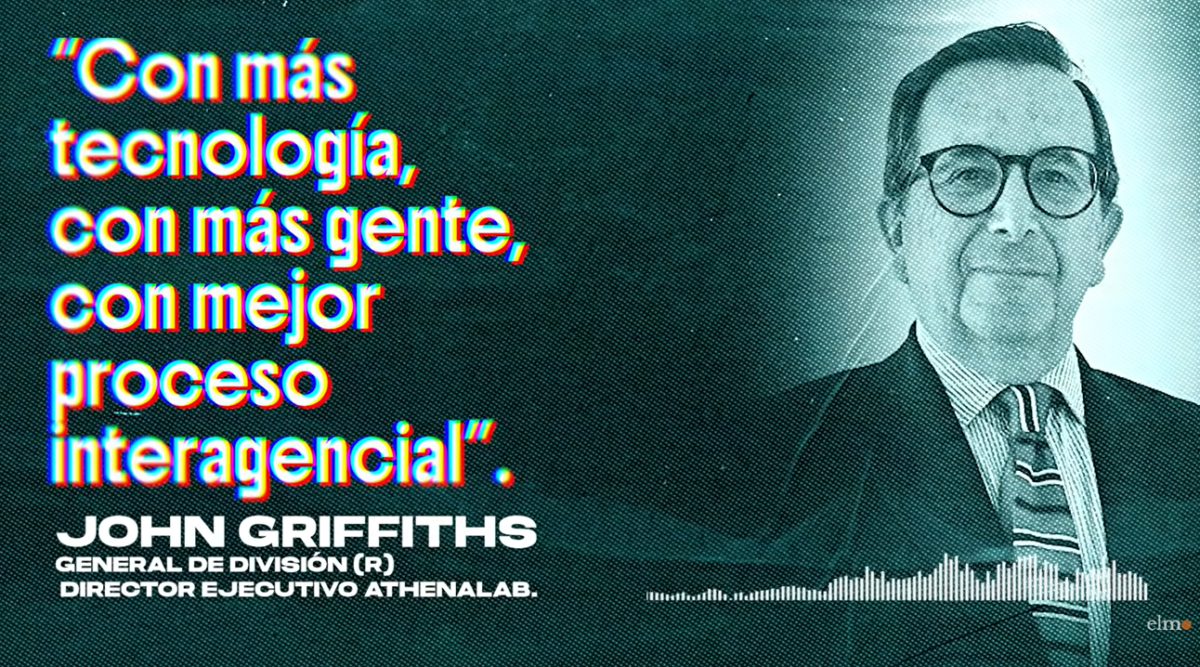
Richard Kouyoumdjian and John Griffiths were consulted by Paulina Allende-Salazar in Punto por Punto.