Reflections in the Month of the Sea
This article was translated automatically and may contain differences from the original. For reference, read the original.
- by Maricarmen Garrido & Ignacio Mardones
- Cartas
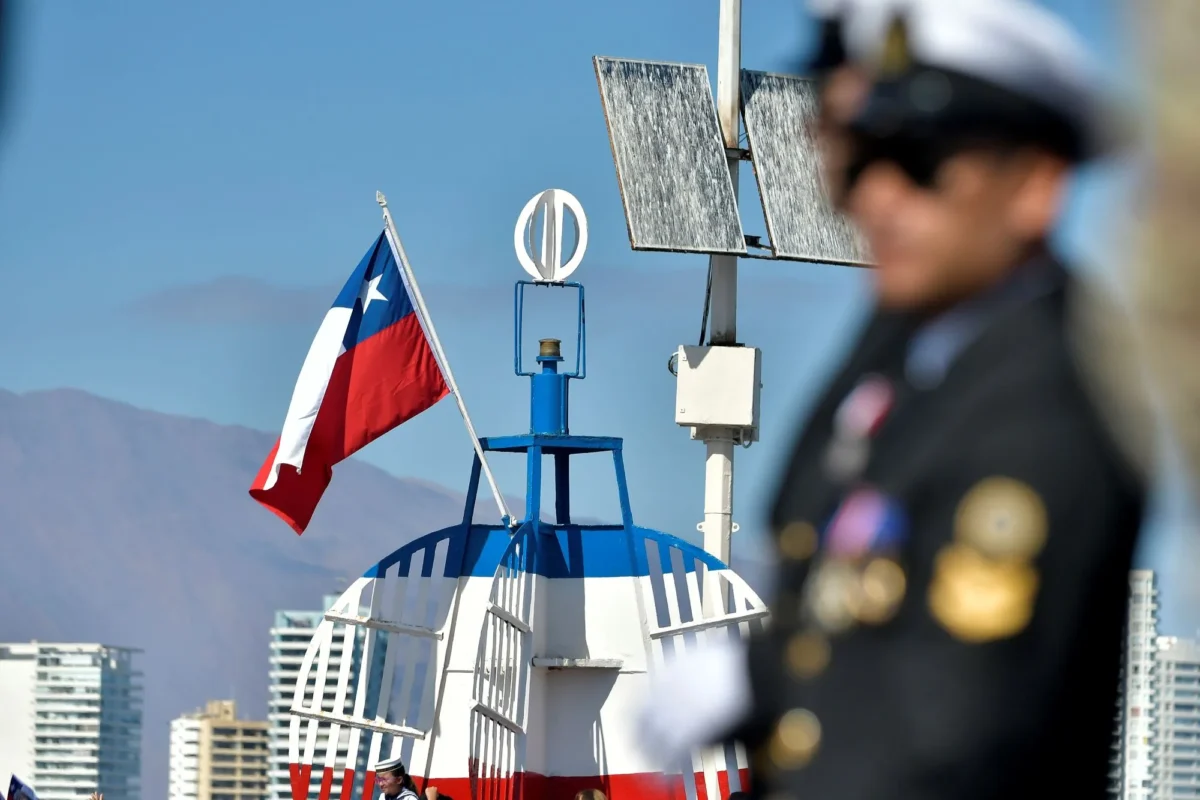
To salute the Navy on its Naval Glories is to acknowledge its history and to express gratitude for the service of its men and women. But it is also to assume the duty of not neglecting the capabilities that enable it to fulfill its mission.
May is not an ordinary month for Chile. It is the month when the Pacific brings to the present the echo of Iquique, the example of Captain Arturo Prat, and the sacrifice of those who made their commitment to the homeland a higher form of service.
But the Naval Glories do not begin in 1879. Between 1818 and 1820, under the impetus of Bernardo O’Higgins and the naval genius of Lord Thomas Cochrane, Chile understood that its independence could not be sustained solely on land. The creation of a national squadron was a strategically significant decision: the expression of a state vision that recognized the sea as an essential condition of national destiny.
This legacy cannot be forgotten. The Naval Glories serve as a reminder that maritime power has been, at decisive moments in our history, a determining factor for sovereignty, the security of our routes, and the international projection of the country.
Precisely for this reason, May must also be a month of responsible reflection. Honoring the Navy requires asking an uncomfortable, yet necessary question: Are we adequately safeguarding the operational capabilities that this history compels us to preserve?
Naval capabilities are not improvised. A frigate, a submarine, command and control systems, or logistical support cannot be replaced from one year to the next. When modernization is subjected to short budget cycles or postponed decisions, deterioration is not always immediately perceived, but it ultimately affects availability and operational effectiveness.
This is compounded by human capital. Without trained, motivated, and available sailors, even the best technology loses operational value. Moreover, the increasing employment of the Armed Forces in States of Exception generates real costs in training and availability that cannot be indefinitely financed with ordinary defense resources.
National defense should not be treated as an occasional urgency or as a matter subordinate to the political climate of the moment. It is a responsibility of the state that requires continuity, multi-year planning, adequate funding, and sustained technological investment.
To salute the Navy on its Naval Glories is to acknowledge its history and to express gratitude for the service of its men and women. But it is also to assume the duty of not neglecting the capabilities that enable it to fulfill its mission. The heroes of Iquique belong to Chile. Honoring their example requires responsibly and with a forward-looking vision, caring for the naval tool that the country needs to protect its sovereignty and its enduring interests.
May should remind us not only of what we were capable of building but also of the responsibility to preserve and strengthen that which remains essential for Chile.
*Maricarmen Garrido Iracheta – Instituto Libertad and Ignacio Mardones Costa – Rear Admiral (ret)