COLUMN | Magallanes, 500 Years: Learning to Navigate into the Unknown
This article was translated automatically and may contain differences from the original. For reference, read the original.
El Mercurio, Sunday, March 15, 2020
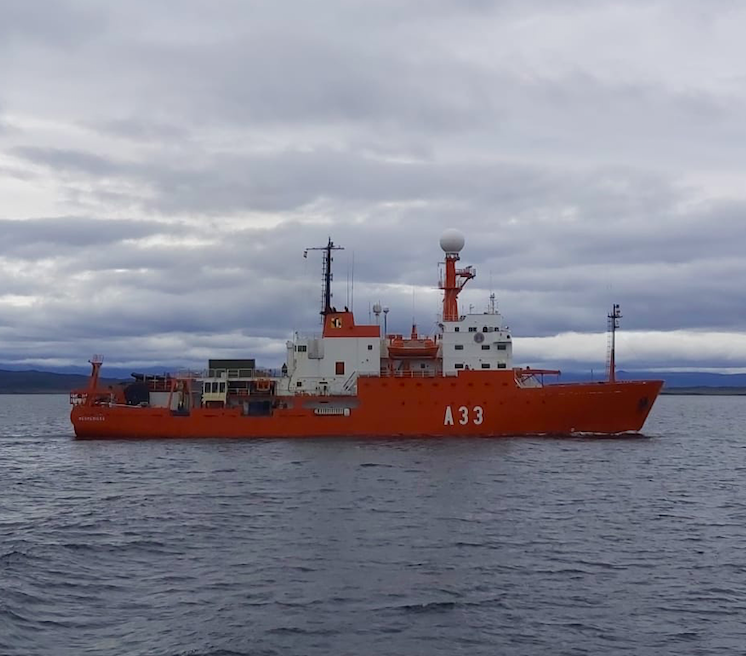
Not every day does one have the opportunity to navigate through the Strait of Magellan. Especially not on a Spanish vessel, 500 years after the discovery of this interoceanic passage that revolutionized the conception of the world, paving the way for modernity and forever placing Chile on the global map.
It is a somewhat monotonous maritime route to the east that becomes imposing to the west, as its shores begin to rise and green replaces the brown tapestry of the Patagonian pampas. Always subjected to strong winds and treacherous currents, it requires constant vigilance and experienced pilots to cross its dark blue waters.
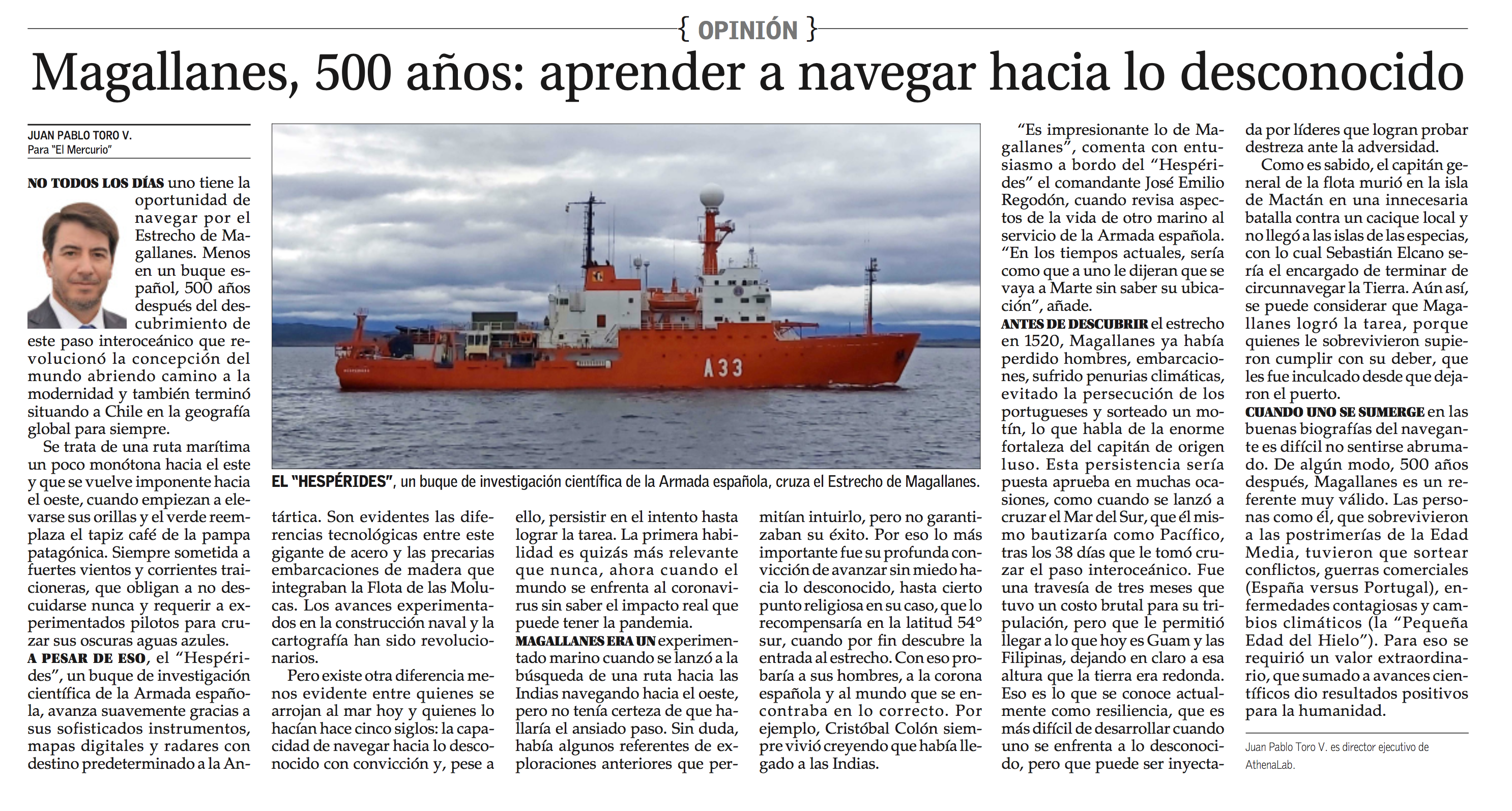
Despite this, the “Hespérides,” a scientific research vessel of the Spanish Navy, moves smoothly thanks to its sophisticated instruments, digital maps, and radars with a predetermined destination to Antarctica. The technological differences between this steel giant and the precarious wooden vessels that made up the Moluccas Fleet are evident. The advancements in shipbuilding and cartography have been revolutionary.
However, there is another less evident difference between those who venture into the sea today and those who did so five centuries ago: the ability to navigate into the unknown with conviction and, despite that, persist in the attempt until the task is accomplished. This first skill is perhaps more relevant than ever, now that the world faces the coronavirus without knowing the real impact the pandemic may have.
Magellan was an experienced sailor when he set out in search of a route to the Indies by sailing west, but he had no certainty that he would find the longed-for passage. Undoubtedly, there were some references from previous explorations that allowed for some intuition, but they did not guarantee success. Therefore, the most important thing was his deep conviction to move forward without fear into the unknown, to a certain extent religious in his case, which would reward him at latitude 54° south, when he finally discovered the entrance to the strait. With that, he would prove to his men, the Spanish crown, and the world that he was right. For example, Christopher Columbus always lived believing he had reached the Indies.
“What Magellan did is impressive,” comments Commander José Emilio Regodón enthusiastically aboard the “Hespérides,” as he reviews aspects of the life of another sailor in the service of the Spanish Navy. “In current times, it would be like being told to go to Mars without knowing its location,” he adds.
Before discovering the strait in 1520, Magellan had already lost men, vessels, suffered climatic hardships, avoided the pursuit of the Portuguese, and navigated a mutiny, which speaks to the enormous strength of the captain of Portuguese origin. This persistence would be tested many times, such as when he set out to cross the South Sea, which he himself would name the Pacific, after the 38 days it took him to cross the interoceanic passage. It was a three-month journey that had a brutal cost for his crew, but it allowed him to reach what is now Guam and the Philippines, making it clear at that point that the earth was round. This is what is currently known as resilience, which is more difficult to develop when one faces the unknown, but can be instilled by leaders who manage to demonstrate skill in the face of adversity.
As is well known, the fleet’s captain general died on the island of Mactán in an unnecessary battle against a local chief and did not reach the Spice Islands, which meant that Sebastián Elcano would be responsible for completing the circumnavigation of the Earth. Even so, it can be considered that Magellan accomplished the task, because those who survived him knew how to fulfill their duty, which had been instilled in them since they left port.
When one delves into the good biographies of the navigator, it is difficult not to feel overwhelmed. In some way, 500 years later, Magellan is a very valid reference. People like him, who survived the twilight of the Middle Ages, had to navigate conflicts, trade wars (Spain versus Portugal), contagious diseases, and climate changes (the “Little Ice Age”). This required extraordinary courage, which, combined with scientific advancements, yielded positive results for humanity.
Juan Pablo Toro V.
Executive Director AthenaLab
RECOMMENDED BOOKS
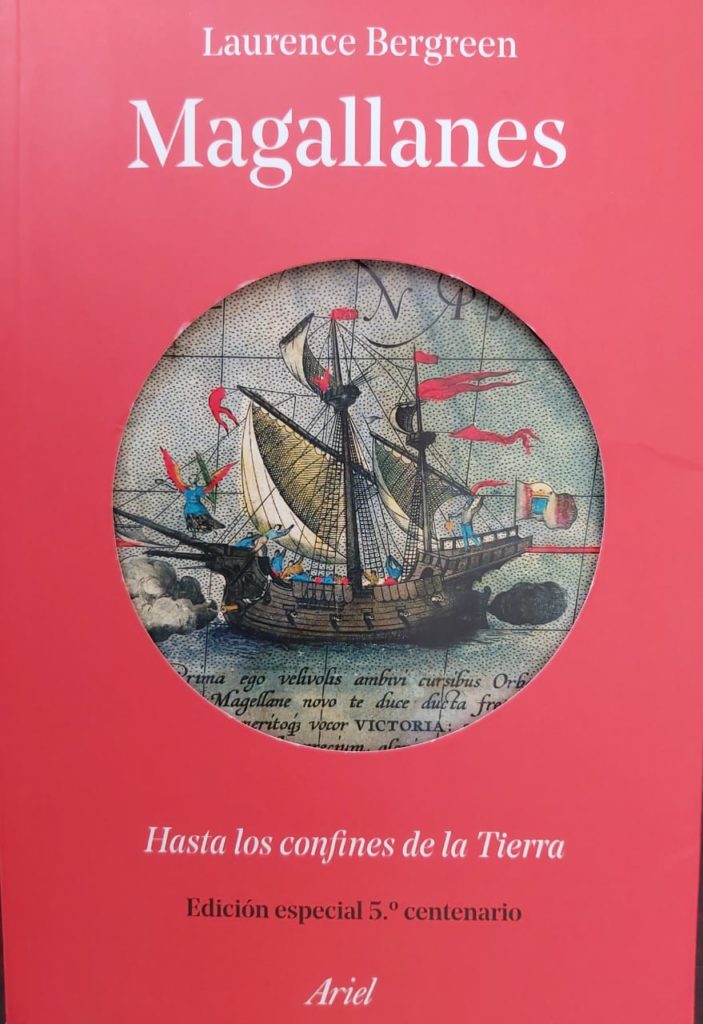
“Magellan,” by Laurence Bergreen (Ariel, latest edition 2019)
A notable biography of Ferdinand Magellan, distinguished by the
great research into the historical context surrounding the explorer, which helps to better
understand the immediate and long-term consequences of his discovery. The American historian
helps to clarify the reasons for referring to it as the “most important maritime voyage of all time.”
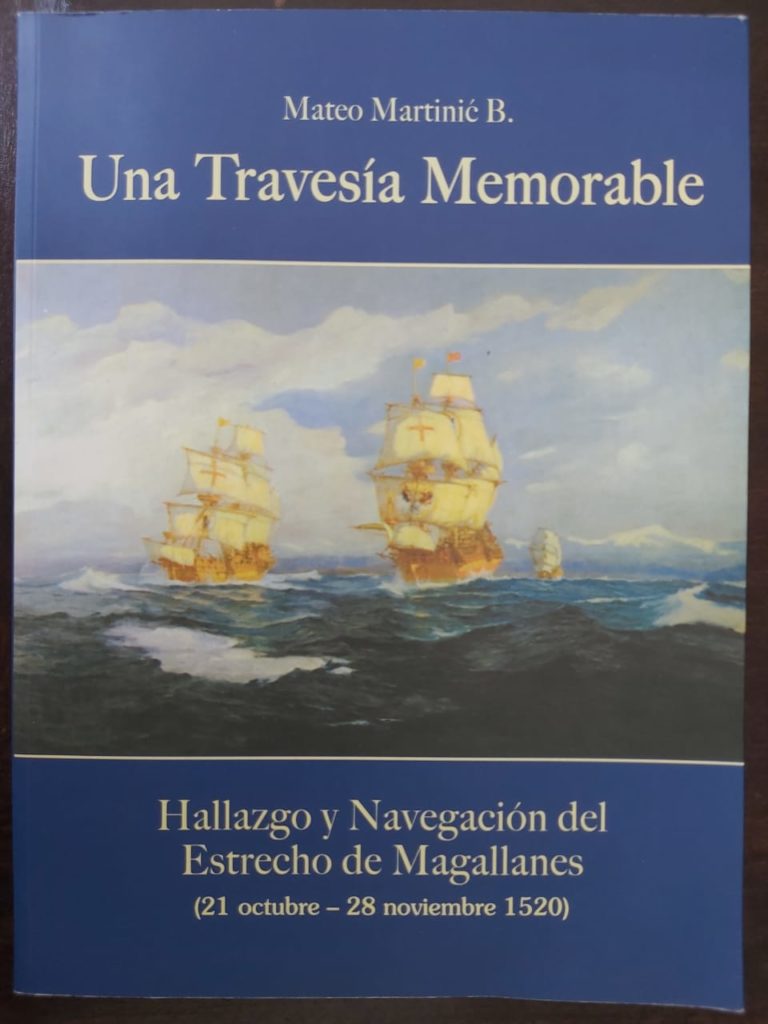
“A Memorable Voyage,” Mateo Martinic (Talleres La Prensa Austral, 2016)
This historian of Magellanic origin explains the impact of the
finding of the strait from a national perspective, arguing that in 1520 Ferdinand Magellan
not only discovered the interoceanic passage that would bear his name but also discovered
Chile, through its primordial components in Patagonia, Tierra del Fuego, and the very
maritime route. He also positioned the country on the global map. Of course, the National
History Prize addresses the debate.
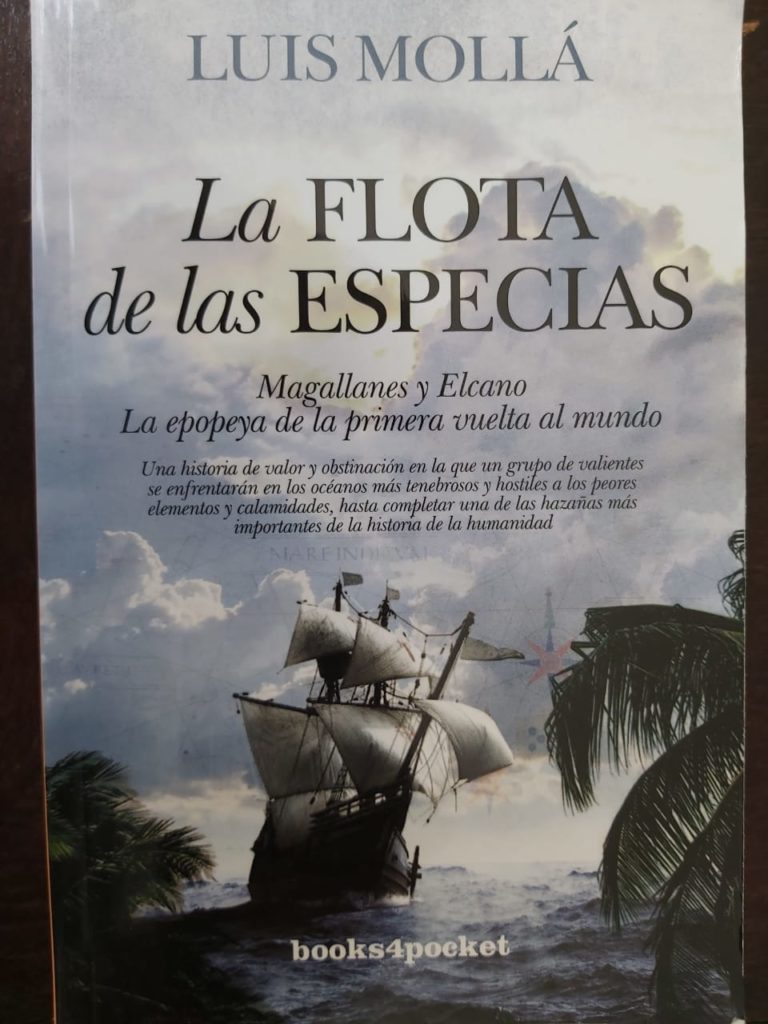
“The Spice Fleet,” Luis Mollá (Almuzara 2017)
An entertaining fictionalized account of the voyage, written by a
captain of the Spanish Navy, which reads like an adventure book, very much in the style of
Conrad or Stevenson.