And what will the Armed Forces think about what is happening?
This article was translated automatically and may contain differences from the original. For reference, read the original.
El Mostrador, Tuesday, May 18, 2021
At the end of the day, for those who are concerned, I would say that the Armed Forces are committed to the Constitution, the laws, and regulations that govern Chile, and they do not wish to get involved in aspects of current politics, as they are non-deliberative and apolitical. That said, they hope that their work is valued and that their purpose is understood, and they will always be available to explain to the constitutional convention members what they do, how they do it, and why they do it.
One of the major questions on some minds is what the armed institutions will think about what happened this weekend in Chilean politics. In this sense, the question they ask is how the oldest institutions of the Republic, namely the Armed Forces, will observe this political process, and whether there are risks to national security arising from what is happening, a topic that obviously concerns these institutions, as their mission is to defend Chile, Chileans, and the national interest.
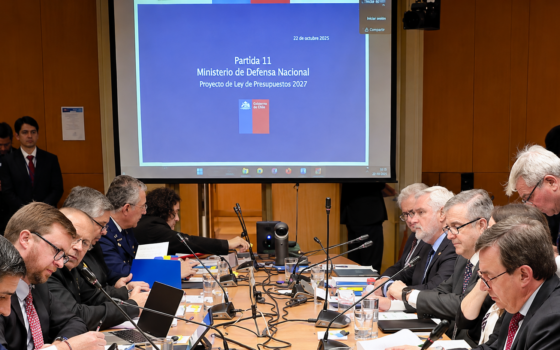
In my opinion, for now, like other actors, they must be trying to understand what happened, why the turnout was so low when the issues at stake were so important, who the new constitutional members are, as many of them are not well known, and it is unclear what their views are on defense and the Armed Forces. The issue of defense institutions will be one of the main topics in the new Constitution, given the power they wield, as will the pensions of military personnel and defense investment, and it is not indifferent to them how these matters are addressed, especially if they end up bearing the costs without any benefits.
They must also be concerned that political uncertainty, on one hand, and the perceived weakness of the Executive, on the other, could lead to an increase in public disorder, crime, drug trafficking, and transnational crime beyond what we already know, particularly in areas that are already troubled, such as the Southern Macrozone or the northern border, potentially requiring their involvement, as the Executive has shown a tendency to involve them in solving any problems that arise in the country, with no indication that there will be a change in this approach from La Moneda.
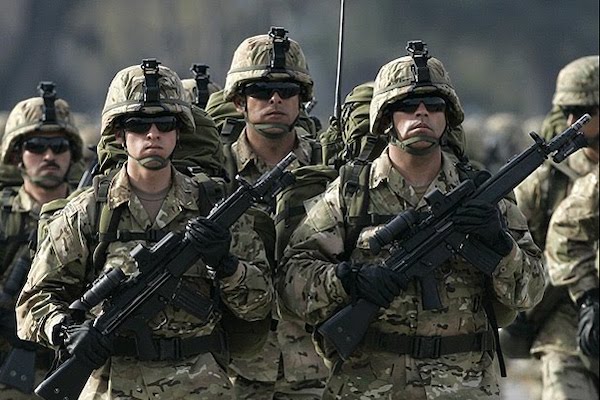
That said, it should not be forgotten, and it is time to remember, that the Armed Forces exist for the defense of the territory, the seas, and the air and aerospace space of Chile and the national interest, wherever it may be located. They exist so that we can continue to be a sovereign and independent country, and as a result, live in peace, trade with the rest of the world, develop, and live in democracy.
They exist to defend Chileans from foreigners who may wish to destroy or complicate our existence, including more modern forms of attack, such as cyberattacks, hybrid warfare, and non-traditional threats. They exist to protect us from attempts by third parties to appropriate Chilean resources, such as those in our exclusive economic zone and the land we inhabit.
The Armed Forces are not meant to perform police duties and are not responsible for tasks that fall to other elements of the State. They may sometimes assist with their resources, but we should not take advantage of the fact that they are orderly, disciplined, hierarchical, and non-deliberative—understood as not participating or supporting political factions in the pursuit of political power—always ready to support Chileans or respond to what the Executive may request during disasters or climate emergencies.
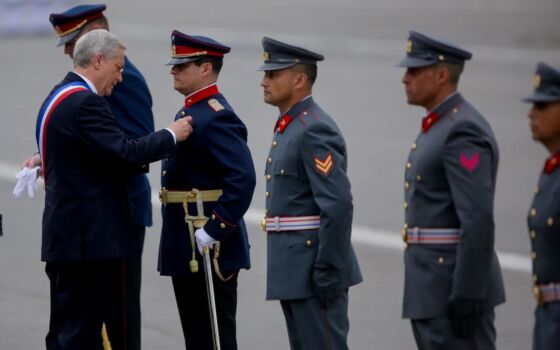
The Armed Forces are part of the Executive branch, as they report to the Minister of National Defense, but since their functions are so critical to our existence and they hold the monopoly on the use of force, what they can and cannot do is clearly established in the Constitution. Ultimately, they are accountable to the Constitution and to the Chileans; we must prevent them from being misused or being used by groups that wish to maintain or perpetuate themselves in power, access power through arms, or transform themselves into the power, as is the case in Myanmar.
We should also not play with them by subjecting them to opinion polls like Cadem, where we ask about satisfaction with various institutions or the image of their commanders-in-chief, as the only result of this and other actions is to bring them closer to current politics, where we do not want them to be. The Armed Forces are evaluated by the Executive, their roles are defined in the Constitution, and they are subject to oversight by the Chamber of Deputies and the Comptroller General of the Republic.
This hysterical and unclear relationship we have with the Armed Forces requires organization, and perhaps the time has come to do so, starting with not guarding polling places, as they are not guarantors of institutional integrity and electoral processes (an extremely political role), nor are they specialists in health or experts in the administration of services that the State provides in the regions of Chile.
It is evident that when one is weak or troubled, national security, understood as the health of the country, may be at risk or susceptible to some form of illness or discomfort, and evidently, this should concern more than a few, as should their future status in the new institutional framework that will govern Chile in the coming years, as it is unlikely they would want to resemble Venezuela or Argentina, or become less significant institutions in the emerging Republic, or that the political modernization of the country comes at the expense of the budget for defense institutions and the people who work within them.
But at the end of the day, for those who are concerned, I would say that the Armed Forces are committed to the Constitution, the laws, and regulations that govern Chile, and they do not wish to get involved in aspects of current politics, as they are non-deliberative and apolitical. That said, they hope that their work is valued and that their purpose is understood, and they will always be available to explain to the constitutional convention members what they do, how they do it, and why they do it.
Richard Kouyoumdjian
Vice President of AthenaLab