Afghanistan, the Last Chapter of the CNN Wars
This article was translated automatically and may contain differences from the original. For reference, read the original.
El Mostrador, August 20, 2021
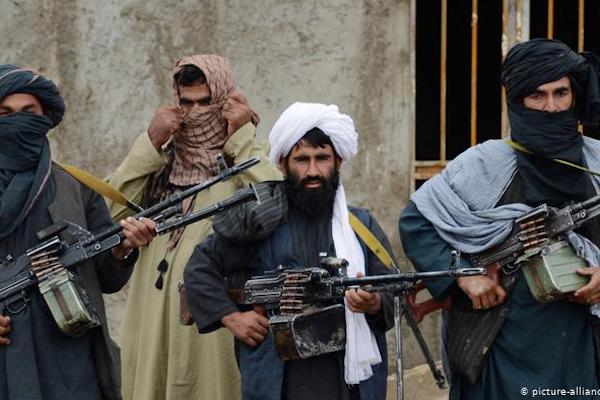
It is striking to see the desperation of the people in the face of the arrival of religious extremists and what this implies particularly for women and children, and how the population of the capital—one of the few places not under Taliban control—enters a survival mode, where, as always happens, the privileged are saved, whether by their resources or by their contacts with Western countries that have sent planes and troops to carry out evacuations while they can. In the meantime, the Taliban observe and control themselves because the cameras are focused on them, and even they are impacted by media coverage, and they will be until it stops being news, at which point they will apply their well-known methods, with all that this means for those who have been able to breathe freely for the last 20 years.
The Wars CNN are the conflicts that took place in the 1990s, led by the USA, accompanied by allies such as the United Kingdom, NATO, and, at times, countries with regional interests, such as Saudi Arabia in the Middle East. They were named the CNN Wars due to the live coverage that this media outlet provided, and continues to provide to this day, of the unfolding events, something that made them famous, although they are not the only ones. Why do I start this column by mentioning the live coverage of the media? It is due to the impact that this coverage has on public opinion and, consequently, on the governments directing military efforts, to the point that there is a before and after in the way military forces act as a result of the images, some of which are quite graphic, and that influence the public and politicians who observe them.
Live broadcasting from the battlefield allows non-military individuals, who have not been trained for the cruelty of war, to observe how military operations are conducted, which by their nature are brutal, involve deaths and injuries, and reveal the nature of war in action, which is nothing more than the use of violence and force to impose will upon the enemy and achieve their defeat.
The scenes that have been broadcast from Kabul, showing the Taliban’s takeover of the city and people trying to flee the country by air, have shocked the world and evoke images from the past, particularly the evacuation of Saigon of American embassy personnel in 1975.
It is striking to see the desperation of the people in the face of the arrival of religious extremists and what this implies particularly for women and children, and how the population of the capital—one of the few places not under Taliban control—enters a survival mode, where, as always happens, the privileged are saved, whether by their resources or by their contacts with Western countries that have sent planes and troops to carry out evacuations while they can. In the meantime, the Taliban observe and control themselves because the cameras are focused on them, and even they are impacted by media coverage, and they will be until it stops being news, at which point they will apply their well-known methods, with all that this means for those who have been able to breathe freely for the last 20 years.
Strategically, this was a chronicle of a foretold death, and just like a person affected by a terminal illness, the outcome often accelerates. It was known, and it had been announced, that the few foreign troops remaining this year were leaving, and it was already known that the Afghan army trained by NATO was unable to handle the Taliban offensive. As early as 2014, the death of this country had been declared, something Obama indicated when he stated that military efforts were coming to an end, and that from then on a transition for Afghans would begin, something that took longer, as it was known that it would not happen successfully, and if it was maintained, it was only to delay what is now occurring, which impacts because the media shows it to an audience unaccustomed to war and the violence that accompanies it.
Victory or defeat for the United States and its allies? It is still difficult to say whether they were successful or not in their efforts in Iraq, Afghanistan, and in general in that complex region. I say this because they never had a strategy, there was no declaration of what the enemy to be defeated was, except for a statement that has no value or military application, such as the famous phrase from Bush Jr., ‘War on Terror,’ which was not accompanied by clear objectives to defeat, what victory would consist of if achieved, and much more, and that in the face of the flood of images coming from Kabul has led them to invent phrases of success, such as that the efforts of the last 20 years meant no more attacks like those of 9/11.
However, this does not change the fact that the Taliban regained total control of a large part of the country, which will likely continue to be a sanctuary for anti-Western terrorists, and that the way of life in that country is unacceptable from our perspective, especially for women and children, leaving the question open of what we will do about all this, whether by taking action or simply turning off the television and pretending that the Afghan nightmare does not exist.
Richard Kouyoumdjian
Vice President of AthenaLab.
Vice President of AthenaLab