Fear, ideology, idealism… or all of the above
This article was translated automatically and may contain differences from the original. For reference, read the original.
El Líbero, Saturday, March 12, 2022
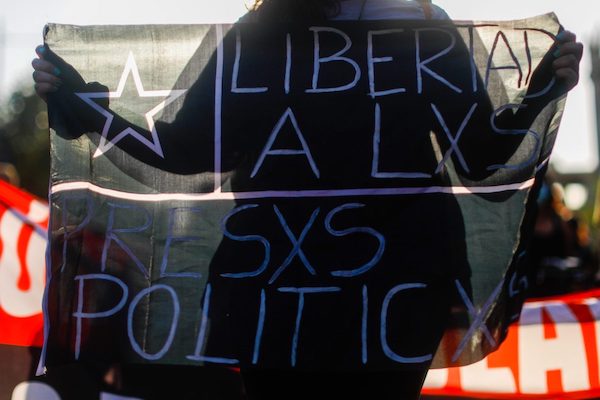
What led the Ministers of Justice and Interior to withdraw the lawsuits against those now referred to as the ‘prisoners of the uprising’?
Gabriel Boric has been President of Chile for 24 hours. Coming from social movements and university politics, he promises a change in tone regarding security issues. The first measure announced on Thursday by the new Ministers of Justice and Interior was to withdraw the lawsuits against the ‘prisoners of the uprising.’ Fear, ideology, idealism, or all of the above could be the reasons behind that decision.
A total of 139 lawsuits will be withdrawn in order to fulfill a campaign promise that seeks, among other things, to ensure that the State Security Law ‘is not used for unjust and disproportionate persecution,’ the ministers stated. Now, whether the persecution is just or not is for the Judiciary to determine. The controversial measure, therefore, could be due to other reasons.
When political actors, especially those responsible for decision-making, communicate about the actions they will take, they are very clear about who the message’s recipient will be. In this case, the social movements that gained strength on October 18, 2019, and had such an impact on the daily lives of Chileans were significant groups during the presidential campaign.
It seems, then, that the recipient of the message would be the ‘prisoners of the uprising’ and all those who identify with them, including the Communist Party, a political party that is certainly against the use of violence.
Up to this point, it seems that the ideology could be an important reason to support those ‘prisoners’ who, it should be noted, are detained for having committed serious crimes and not for their ideas. However, keeping the Apruebo Dignidad coalition united is a challenge that the President cannot afford to fail.One should not bite the hand that feeds us, as the saying goes, and if those ‘protesters’ created a united front that allowed him to reach La Moneda, some signal must be given.
We also do not want to provoke the anger of those groups. Gradually, they have sent messages to the young leader. They have vandalized the walls of La Moneda chica in support of the pardon and have displayed some posters threatening that ‘March has arrived.’ Perhaps there is some fear. The newcomer will not want the famous Fridays in Plaza Italia to regain the strength they had a few years ago, especially in a context where he announced the removal of the barriers around the Government Palace.
There are also those who will argue for idealism on the part of the new authorities. For many, dialogue and cooperation are not enough to solve security issues. Actions have consequences, and sacrifices are always measured. It is better to deal with disappointed entrepreneurs later than to face now protesters upset and eager to collect favors.
Those who are now entering the government must employ all means of the State, including the legitimate use of force, if they truly want to advance social peace. The cornerstone is the norms that govern us. Nothing justifies undermining the rule of law.
Pilar Lizana
Researcher, AthenaLab
Source: El Líbero