COLUMN | Northern Macrozone: The Perfect Storm
This article was translated automatically and may contain differences from the original. For reference, read the original.
Pilar Lizana
El Líbero
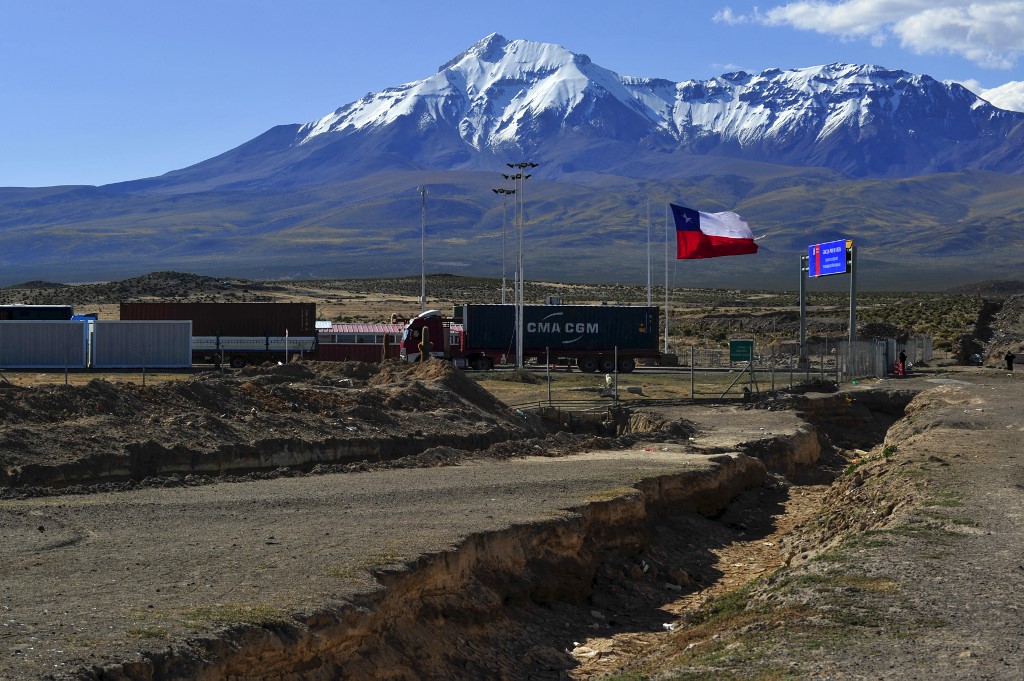
Northern macrozone. Three regions form the gateway to Chile, which we now view with concern, as its security context has worsened. Organizations dedicated to kidnapping and extortion, drug trafficking and human trafficking are some of the illegal activities taking place in the area that once housed the large saltpeter mines and is now home to major copper mining. The best indicator is the homicide rate. The regions of Tarapacá and Arica and Parinacota hold the first and second places in terms of murders per 100,000 inhabitants, with 9.7 and 6.3 respectively.
The data is from 2021, a year when the rest of the country either saw a decrease in homicides or maintained their levels. Only in the north was there an increase. Today, in the course of 2022, there is already talk of a 26% increase nationwide, that 6 out of 10 murders were committed with firearms, and of the National Prosecutor’s request to intervene in the Northern Macrozone.
What is happening in the north? The perfect storm. An uncontrolled irregular migration provides an opportunity for groups dedicated to human trafficking to establish themselves in the area and from there extend their international networks; the porosity of the border and lack of control create an ideal context for drug trafficking and smuggling; and, amid all the confusion, criminal organizations arrive in our territory and settle in. What better example than the Venezuelans of the Tren de Aragua!
Many are asking today what we can do, but the truth is that this question should have been posed at least 5 years ago. With our international connections, at some point the criminality characteristic of Latin America was bound to arrive. For much longer than that, international drug trafficking has permeated our borders; thus, it was only a matter of time before the vices of crime took root in Chile.
Worrying about what we should have done makes no sense now. The problem is a reality. I have heard some argue about the impact of centralism on this issue. There is some truth to that, but the reality is that mere decentralization does not solve a problem that requires national political will to enhance and provide resources to the state agencies present in that territory. By “state agencies,” I do not only refer to the police, but also to all other services: health, education, social development, sports… security is just one more.
Bringing the state closer to the population, demonstrating with concrete actions concern for regions so important for development… ultimately, proving that promises are not just good intentions.
Security has taken over the agenda and will not let go for a long time. Without it, development and well-being are at stake. Today marks 100 days of government; the honeymoon lasted little to no time, and the not-so-new authorities must begin to demonstrate that commitment to security that was so often discussed in the second round. Political actors must put aside their differences and focus on responding to the challenges in this area. If they can achieve that, the electoral math will take care of itself. For this reason, PDI, Carabineros, and the Armed Forces have seen their levels of trust increase in the latest CEP.
*Pilar Lizana is a researcher at AthenaLab.