Lessons Learned After a Week of Hacks
This article was translated automatically and may contain differences from the original. For reference, read the original.
El Líbero, October 1, 2022
Our work is online, and the state is not outside that sphere. The difference is that, while it is vulnerable, it is also responsible for building the necessary security system to minimize risks.
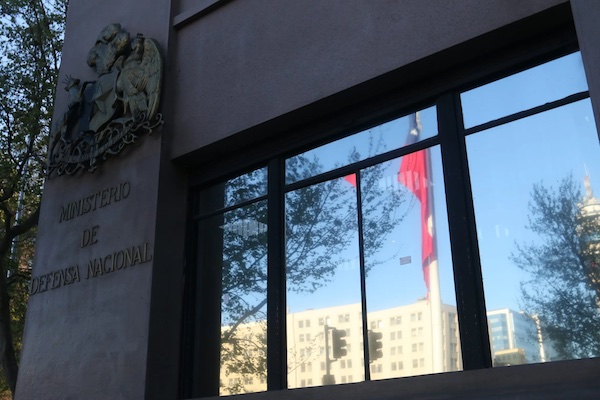
If anything has become clear this week, it is our cyber vulnerability. We witnessed the hacking of the Joint Chiefs of Staff, the Judiciary, issues accessing the websites of various public agencies, and the data leak from the National Accreditation Commission. Who is responsible? What lies behind the website? How does the state face these challenges?
Collaboration, coordination, and commitment. Three concepts I heard this week during the Senate cybersecurity session that, given our security scenario, cannot be overlooked.
In cyberspace, we are all exposed. Once connected, our information can reach anywhere. Borders disappear, and data flows through the network, a space that, like the physical environment, is conducive to various crimes. Our daily lives are online. Instagram, Facebook, and TikTok are part of everyday life. Our work is online, and the state is not outside that sphere. The difference is that, while it is vulnerable, it is also responsible for building the necessary security system to minimize risks as much as possible.
In some cases, the leaked information is public and poses no problem. But what happens when it affects national security? That is when accountability is sought, and everyone questions what is being done. In matters of security, there can be no improvisation; planning is essential for developing processes that ensure a peaceful environment for citizens, and it must necessarily consider the cyber dimension. Especially at a time when crimes such as human trafficking and smuggling have become entrenched in the country. The organized crime groups behind them use the network to recruit individuals, trade illegal goods and services, launder money, etc. The key to pursuing them is information, and most of the time, it is on the network. Therefore, now more than ever, we need a cross-cutting effort that strengthens our cybersecurity dimension, provides tools to combat 21st-century crimes, and allows the state to fully deliver what citizens demand: security.
This year, the cybercrime law, the project for a national cybersecurity agency is underway, and there is a proposal for a cybersecurity center in Valparaíso. All significant advances. However, it is important to highlight one aspect of this work: it aims for a cybersecurity system based on those concepts of collaboration, coordination, and commitment.
The legislative power has played a fundamental role in promoting these issues; the Executive must do its part, and we must move towards better practices where information management is conscious, we avoid risks, and contribute to consolidating cybersecurity.
We will always be exposed; perhaps we cannot reduce the risk to zero, but it will be easier to face it with a robust cybersecurity system.
Pilar Lizana
Researcher, AthenaLab
Source: El Líbero