Beyond Drugs: Copper, Wood, Fish
This article was translated automatically and may contain differences from the original. For reference, read the original.
El Líbero, Saturday, November 26, 2022
We should move towards an update of the legislation that allows us to pursue all types of criminal enterprises, not just those involved in drug trafficking.
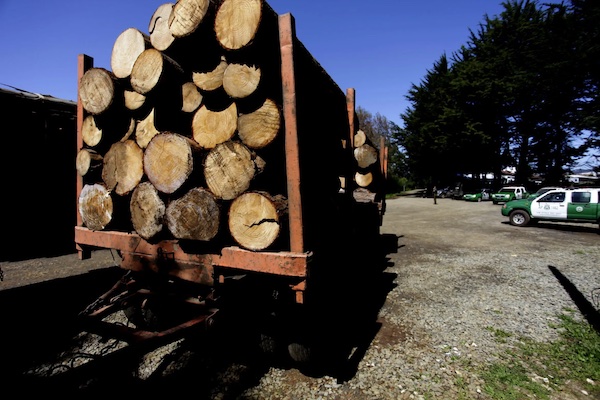
Regarding the session of the Senate Constitution Committee next Monday, where the Minister of Justice and the candidate for National Prosecutor will be heard, various political actors have expressed anticipation, particularly regarding how drug trafficking will be addressed. Undoubtedly, this is a concern in our country, but there are also other issues that, while not related to drug trafficking, pose a significant threat to our productive sectors. The theft of copper, wood, and fish represents a parallel market of over 200 million dollars a year, a criminal structure integrated into the various links of raw material production and the use of violence stemming from access to weapons and the greater criminal knowledge of gangs.
The year 2020 marked a turning point in this matter. These parallel markets, which had been growing since 2018, consolidated, incorporated increasing violence, and demonstrated a greater degree of coordination and differentiation of roles and functions.
As an exporting country of raw materials, we cannot allow this situation to progress. Copper accounts for 11% of GDP, wood for 2.1%, and fish for a similar amount, in addition to all the jobs they generate, both direct and indirect. Some argue that the problem is private, but what about the impact on critical infrastructure when copper cables are stolen, or the insecurity in the southern macrozone resulting from timber mafias, or public health when criminal organizations sell spoiled salmon? The challenge is for everyone.
Public-private collaboration in this area is essential, but it must be accompanied by a legislative debate that updates the regulations to the new scenario. When we talk about the theft of salmon, wood, or copper, the penalties for theft or robbery are not sufficient. Behind that crime, there are false invoices, shell companies, and intermediaries that launder the product. We are talking about something much more complex than the mere removal of an asset. In that sense, the wood theft law contributed significantly with new investigative techniques and the new approach taken to the problem, but it is necessary to go further, as it is not just about wood. We should move towards an update of the legislation that allows us to pursue those criminal enterprises, all of them. We require an intelligence system that models and allows us to anticipate crime and a strategy that looks beyond drugs.
The new prosecutor faces a difficult test, especially if we incorporate these new elements and move towards a reflection on how deeply organized crime has penetrated Chile. But the task is not only his; all branches of the State must rise to the occasion, working in an integrated and coordinated manner. The goal: to implement a new security approach that responds to this difficult test.
Pilar Lizana
Researcher, AthenaLab
Source: El Líbero


