The Critical Nature of Infrastructure
This article was translated automatically and may contain differences from the original. For reference, read the original.
El Líbero, January 14, 2023
The government born from the social outbreak that sought to delegitimize security and defense institutions now must seek their assistance amid a political crisis stemming from its decision to pardon 13 criminals on the penultimate day of 2022.
Almost a year ago, the President Boric was walking to buy a sandwich at a traditional diner. During those days, he was beginning a preparation process to assume his role in La Moneda. He arrived with promises of change and set high expectations, but that did not last long; by the third week of his government, disillusionment began, and demands for order took precedence over those for change.
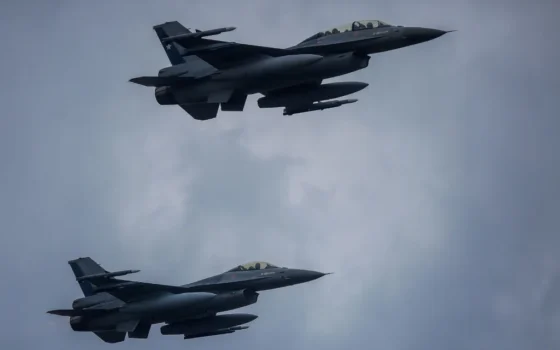
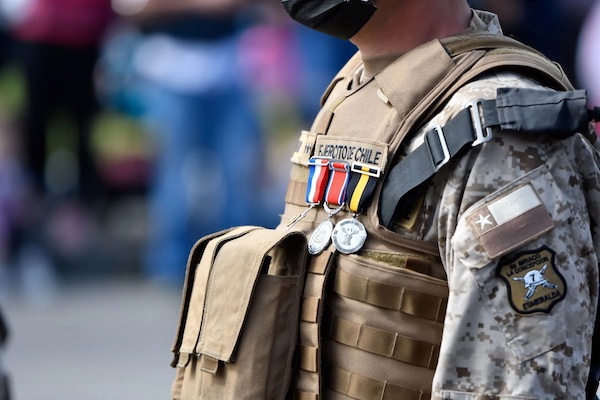
Even at that time, crime and drug trafficking were emerging as priorities for Chileans; however, the new government remained firm in its decision to lift the States of Emergency and prevent the Armed Forces from getting involved in the fight against crime. Today, the government has renewed the State of Constitutional Exception 15 times in the Southern Macrozone, and this week, the Senate chamber approved the constitutional reform that allows the Armed Forces to safeguard critical infrastructure.
Would the President have thought he would be turning to the military to meet demands for order? Common sense tells me no, especially after seeing him in Plaza Italia asking the Armed Forces to return to their barracks and the previous government demilitarizing La Araucanía.
But, as common sense is the least common of all senses and the context is so fluid, today he has no choice but to turn to the military to reconcile the demand for change with the demand for order. The government born from the social outbreak that sought to delegitimize security and defense institutions now must seek their assistance amid a political crisis stemming from its decision to pardon 13 criminals on the penultimate day of 2022.
But are the Armed Forces the ones called to resolve public security issues? Of course not. They operate in national territory during exceptional circumstances and require a legal framework and guarantees that allow them to perform their duties. A soldier does not have police training; that is not their role. They are trained to neutralize threats, and for that, there must be a superiority of force. What force? The one that the state legitimately possesses and that must be applied under a legal framework indicating what can and cannot be done.
It is the responsibility of the Executive to manage the demands for order and propose the guidelines that will allow institutions to provide security and fulfill their constitutional function, but if its institutional legitimacy has been undermined by foundational messages promoted by the President since he was a deputy, a crisis surrounding security arises that is the responsibility of the political power to resolve.
Hence, the critical nature of the infrastructure project relates to the lack of political leadership and the proper use of security and defense institutions. Of course, there are technical concerns; however, if a course correction in political leadership is not made, addressing those concerns will not be sufficient.
Pilar Lizana
AthenaLab Researcher
Source: El Líbero