COLUMN | Politics: What Is Missing When We Talk About Security
This article was translated automatically and may contain differences from the original. For reference, read the original.
- by Pilar Lizana
- Opinion
Presidente Boric
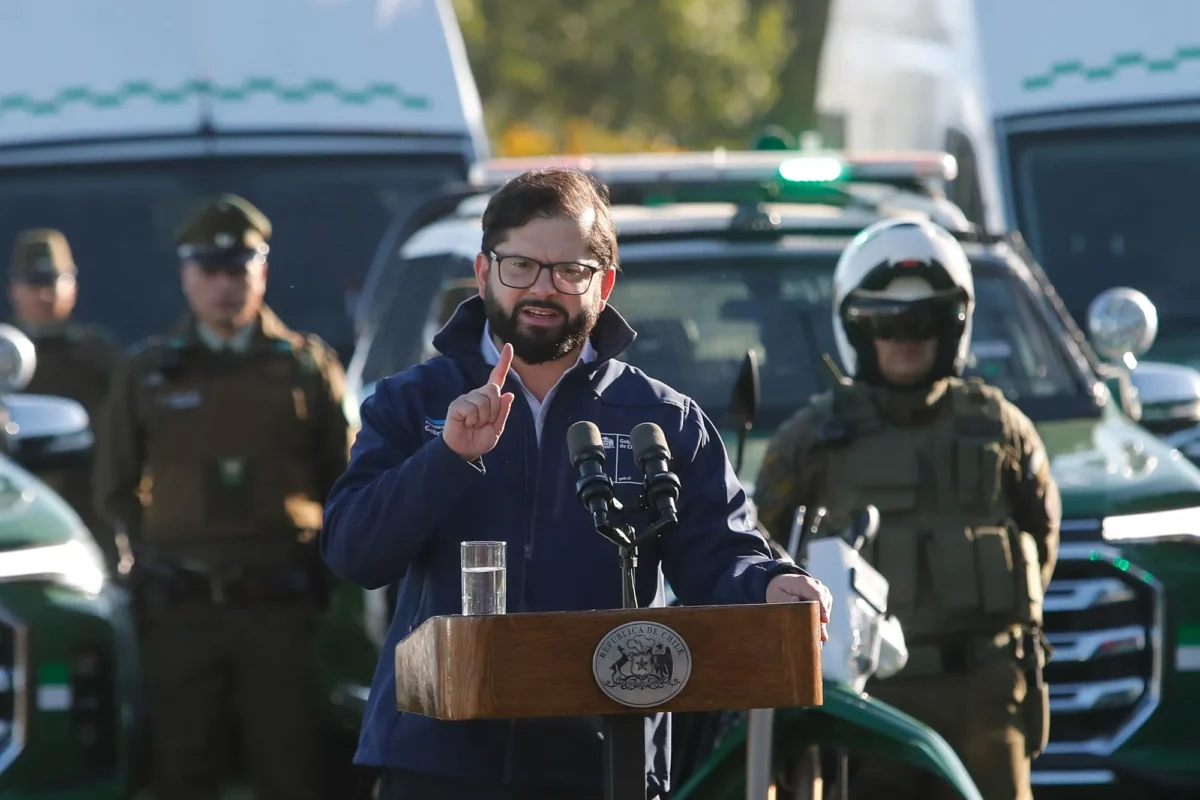
The President is the driver of security; he is the one who must define the roadmap, guide the institutions in their work, and generate the integration of the State’s efforts, but none of that has happened.
It is hard to believe the President when he says today that homicides “mobilize” him. Violence in the Metropolitan Region shows no signs of abating and, as someone once told me, “organized crime has the State of Chile on its knees.”
259 homicides were recorded in the Metropolitan Region last year; by the first half of this year, there had already been 255 deaths, four fewer than the total for the entire previous year. How can one not doubt the President’s words?
There are several distractions regarding security; undoubtedly, the Monsalve case is the most relevant, but we must not lose focus. The problem of security is political and has nothing to do with the private conduct of any former authority. The problem is political because, first, many members of the governing coalition feel evident discomfort with the responses that must be given to the crisis; second, because the driver of security is the President, that is, Gabriel Boric; he is the one who must define the roadmap, guide the institutions in their work, and generate the integration of the State’s efforts, but none of that has happened; third, because seeking arguments from those actors who criticize the government and remaining in a conflict that seems more like petty politics than genuine political discourse does not contribute to addressing a problem that affects the State as a whole.
Leading security means positioning oneself at a different level, one where, despite ideological differences, common ground is reached from which to advance, one where it is understood that security is a State policy where today’s successes must be maintained in the future and enhanced by the actions proposed by those who will come. Leading security means being the Head of State and not just the head of government.
Security matters not because it is an election period, but because it depends on the development of the country and its citizens; it matters because it paves the way for growth and strengthens the country’s image by providing stability. Therefore, it is not enough for those who govern us to assert that violence mobilizes them if that mobilization is not genuinely evident.
Combating the criminality that destabilizes the capital, where 40% of the population lives, is not about being moved; it requires a strong will that puts all its political capital at the service of Chile and not its own interests. Whoever can convey and materialize that will have the support of a country that is crying out for results.
There are many lessons in the world about how weak political will can ultimately destroy a country, especially when it comes to organized crime. In the face of such a threat, weakness is not an option because the weaker I appear to the enemy, the more opportunities it has to establish itself in the territory. That strength must come from a single source, from the essence of Chile, and must nourish both preventive and reactive actions. No flank should be left open, but even closing them all, without political will, we will not advance toward success.


