The Management of Chile's Foreign Relations
This article was translated automatically and may contain differences from the original. For reference, read the original.
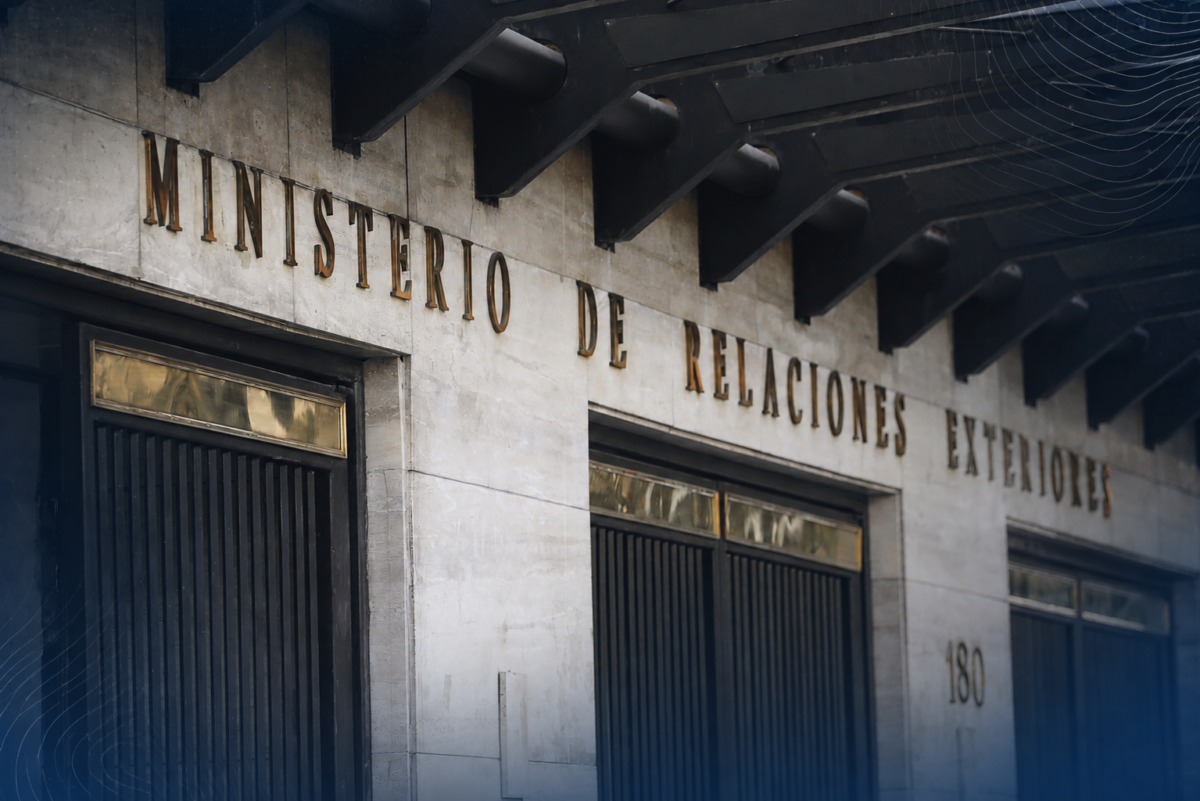
Managing foreign relations is not easy, especially in current times, which is why they must be conducted with caution, that is, with tact, judgment, and discernment. Poor management or mistakes made directly affect National Security.
The definitions of foreign policy are made by the President of the Republic. The management and implementation are the responsibility of the Minister of Foreign Affairs and the diplomats who accompany him.
Given the complexity and variety of issues handled by the Ministry of Foreign Affairs, we prepare professionals for two years in the diplomatic academy, selected after a rigorous application process, one in which the number of applicants exceeds a ratio of 30 to 1.
The chancellor, who may not necessarily come from the diplomatic career, usually has a deputy minister and a career secretary general, a condition that is also typically held by their chief of staff and most of the ministry’s leadership team. All of them have many years of experience, including multiple assignments outside of Chile, and certainly, management of complicated situations and various issues, including commercial matters.
Not everyone reaches the rank of ambassador, which is why it is recommended that they manage our representations abroad, while those known as political ambassadors should be limited to very specific countries where the presidency requires someone whose training or professional experience is appropriate.
It is normal for defense and public security issues to be addressed by the respective ministries, and for representation in these matters outside of Chile to be held by military officers and police as appropriate, but always under the coordination of the Ministry of Foreign Affairs, and in the case of our embassies abroad, under the leadership of ambassadors or chargé d’affaires in the absence of a designated and functioning ambassador. This is the standard practice followed in all countries.
In complex matters such as tariff negotiations and trade treaties, it is normal for the Undersecretariat of International Economic Relations to be the unit of the Ministry of Foreign Affairs that conducts the negotiations, which may require the involvement of sectoral ministries as appropriate, but at no time will other ministries or government agencies be in charge of the negotiations. They assist as requested and must act with caution to avoid jeopardizing the work that specialists are developing. They should hold their tongues if they disagree. Chile is merely a medium-sized country, located very far south in the world, open economically and with a few attributes and characteristics that give us negotiating power in areas where the above is valuable, that is, scarce and in demand. Chile must be clear about who it is, how to maximize its options, and how to protect its security and national interest. Playing its cards well is mandatory. Mistakes in foreign relations are unacceptable.
RICHARD KOUYOUMDJIAN
Executive Vice President AthenaLab