INTERVIEW | "In Venezuela, the limits of Maduro and Guaidó in the power struggle became clear"
This article was translated automatically and may contain differences from the original. For reference, read the original.
Diario Financiero, February 26, 2019
Juan Pablo Toro, Executive Director of AthenaLab and international analyst:
What was the outcome of the events this weekend in Venezuela?
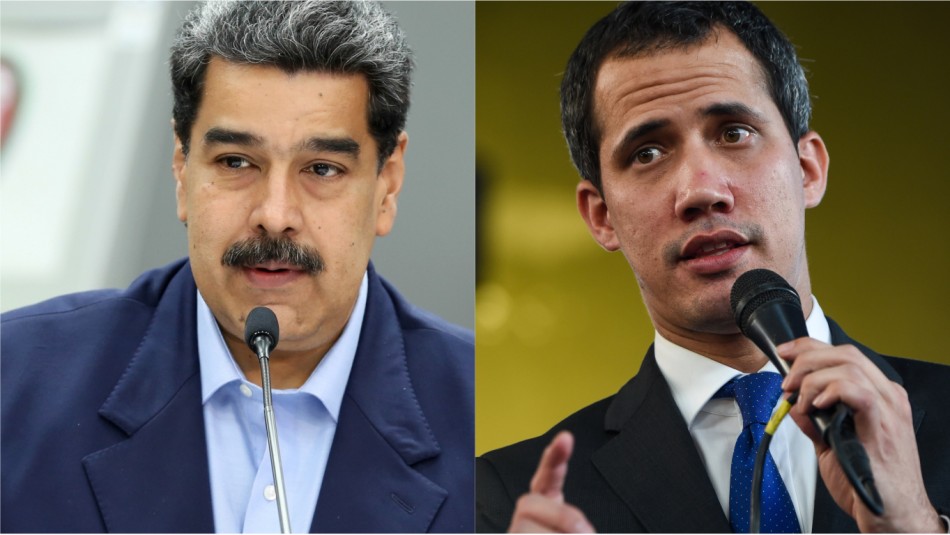
It became clear what the limits are for both sides. Juan Guaidó was unable to fulfill his promise of a massive influx of humanitarian aid because he lacks control over the borders and the Armed Forces. On the other hand, we saw the limits of Nicolás Maduro’s government, which still controls the Armed Forces, and if he says that aid will not enter, he achieves his objective. Maduro’s strategy is to resist as chavismo has done for 20 years. It is Guaidó who needs to propose a new strategy to maintain the initiative that leads to elections.
Has Guaidó lost momentum?
It is important to understand that this is a process of incremental changes rather than abrupt changes. The problem is that hope always collides with a harsh reality.
Did he make a mistake by not calling for elections on Saturday?
If Juan Guaidó does not have territorial control, as was evident, how is he going to organize an election with an electoral body that is also inclined towards the government? If he had called for them, would they have been able to take place? I doubt it. The ultimate goal of his project is elections, after Maduro leaves and a transitional government is established that calls for elections.
What options remain?
Sanctions, despite the risks and social costs, knowing that they could help lead to the definitive collapse of the economy.
Do you believe military intervention is possible?
In terms of the immediate region, I do not see any support for intervention. Analyzing the two years of Donald Trump, he is rather limiting his operational presence. Talking about “all options on the table” seems to me a pressure tool. What is new is the use of humanitarian aid. That is another script.And what about the Geneva Convention and the Rome Statute?
That is another form of legal pressure. Additionally, there is the possibility of bringing cases to the Inter-American Commission on Human Rights. But I do not believe that Maduro feels intimidated by jurisdictions he does not recognize.
That is another type of legal pressure. This is compounded by bringing cases to the IACHR. However, I do not think Maduro feels intimidated by jurisdictions he does not recognize.