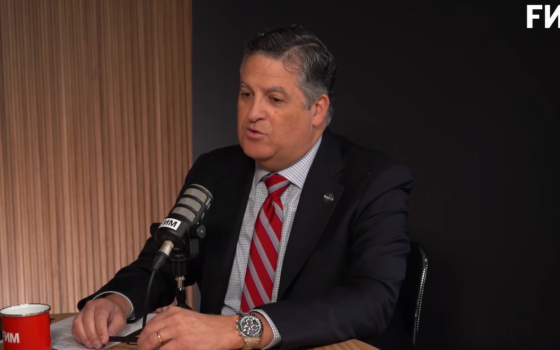
AthenaLab researcher interviewed by InSight Crime about the PDI's "Microtrafficking 0" Program
This article was translated automatically and may contain differences from the original. For reference, read the original.
Microtrafficking 0 Program in Chile: Success or Failure?
InSight Crime, January 24, 2022
After seven years in effect, Chile’s radical strategy to rid the country of small-scale microtrafficking has been praised as a success, and the model has even been exported to other countries. But is this hardline approach working?
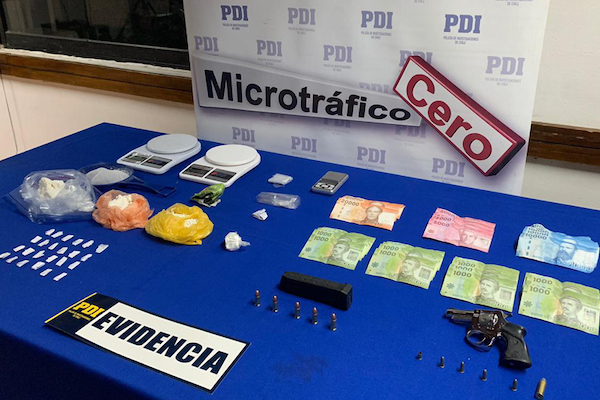
According to the Chilean Investigative Police (PDI), the so-called Microtrafficking Zero (MT-0) program reported an increase of 150 percent in narcotics seizures from 2020 to 2021. Among the confiscated drugs, cocaine, cocaine hydrochloride, and cannabis stand out, with an increase of 207 percent in the last apprehensions.
The hardline program leads a national offensive aimed at controlling domestic sales of small-scale narcotics, during which it is said that 2,681 arrests were made in 2020 and nearly the same number in 2021.
Launched by the Chilean government in 2014 in response to concerns about the increase in drug consumption in the country, the program aims to eliminate trafficking at its roots by targeting the sale of small doses on the streets in communities most vulnerable to drug trafficking and the violence resulting from it.
The MT-0 program has received positive feedback from representatives of the Chilean government, who highlight the large number of arrests and the enormous quantities of drugs seized on the streets. It has also attracted attention abroad, leading experts from the Chilean Investigative Police to have trained police officers, prosecutors, and judges in several Mexican states and in Argentina to improve the fight against microtrafficking in their jurisdictions.
InSight Crime Analysis
Despite the praise garnered by the MT-0 program, doubts remain as to whether the strategy is making a tangible difference on the ground.
Despite the increase in seizures, drug sales on the streets grew sharply by 62 percent between 2015 and 2019, according to data from the Chilean Attorney General’s Office. And since the violence associated with narcotics remains a significant problem in the communities covered by the program, this strategy can be compared to forcing a lid on a boiling pot.
The vast quantities of drugs seized by the Chilean police also point to an active domestic market, indicating that street trafficking continues to thrive in the country.
For Cristian Sepúlveda, commissioner of the PDI overseeing the MT-0 program, the increase in seizures was not due to higher sales, but rather to accumulation during the coronavirus pandemic. “A lot of drugs have been found stored and stockpiled for distribution. It is not that the quantities of daily transactions have grown or increased,” he stated to local media.
Sepúlveda also praised the program in an interview with Temuco Televisión, stating: “Chile is a pioneer in the region in establishing a standardized and systematic strategy for investigating the criminal phenomenon of microtrafficking.”
Others highlight the benefits that the program has brought to vulnerable communities. Pilar Lizana, a researcher at AthenaLab, a Chilean think tank specializing in narcotics, told InSight Crime that “the MT-0 strategy has managed to bring the State closer to the communities and has engaged both in the fight against narcotics.”
Part of this commitment is reflected in an anonymous tip line that, according to the PDI, has facilitated nearly a third of the total arrests in the MT-0. Overall, convictions for local microtrafficking grew by 18 percent between 2015 and 2019, according to figures from the Chilean Attorney General’s Office.
Despite these results, Lizana emphasized that MT-0 should not be isolated from other strategies. “Community efforts must be maintained, but they should not be the only ones,” she explained to InSight Crime. “There must be a comprehensive strategy led by the government in which police surveillance of neighborhoods is an element that, along with others, generates a sufficiently flexible response to drug trafficking.”
Drug policy in Chile has come under greater scrutiny in recent years due to the country’s increasing importance as a destination for narcotics, as a transit point for drugs to Europe, and as a final market, as Chileans now consider drug trafficking to be a significant threat to national security..
Source: InSight Crime