JOURNAL | Reality and Perspectives. Strait of Magellan: Sovereignty and Power in the Southernmost Extreme
This article was translated automatically and may contain differences from the original. For reference, read the original.
To respond to the growing geopolitical pressures in the southernmost extreme, the Chilean state should develop infrastructure initiatives and adopt technological advancements.
When studying current international dynamics, it is methodologically accurate to define geopolitics as an analytical framework oriented toward strategic decision-making, discarding deterministic positions that reduce global phenomena to mere geographical imperatives. As an interpretative tool, geopolitics examines how spatial magnitudes condition the configuration, projection, and limitation of state power. It offers a framework of constraints and opportunities within which political action unfolds. From this perspective, the situation of the Strait of Magellan constitutes one of its most consistent geographical expressions.
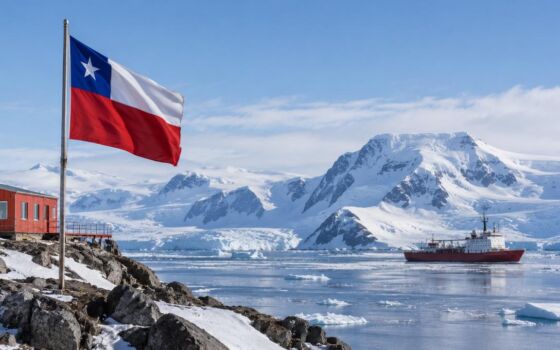
The relevance of the Strait lies in its status as a natural interoceanic passage of exclusively Chilean sovereignty, linking the South Atlantic with the Pacific. In the current global situation, characterized by the intensification of rivalry among powers and the vulnerabilities of critical routes, such as the Panama Canal, this southern passage regains an important role for international trade and logistical projection toward the Antarctic continent. While it represents a factor of geostrategic projection, it simultaneously imposes severe limitations on the Chilean state due to the territorial discontinuity in the south, the geographical remoteness from the political center, and the constant need for presence and control in the face of diplomatic claims that seek to challenge the regime of exclusive national sovereignty.
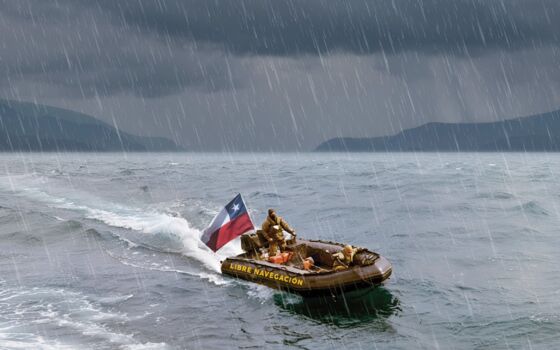
To address these dynamics, the Chilean state has maintained a continuous institutional presence, manifested in the oversight of the Maritime Authority, the provision of pilotage services, search and rescue capabilities, and the progressive consolidation of Magellan as a hub for scientific and operational support. These actions represent the state’s commitment to the area, although new global dynamics necessitate a reinvigoration of this effort.
To respond to the growing geopolitical pressures in the southernmost extreme, the Chilean state should develop infrastructure initiatives and adopt technological advancements. These efforts should be considered state policies and supported by active diplomacy.
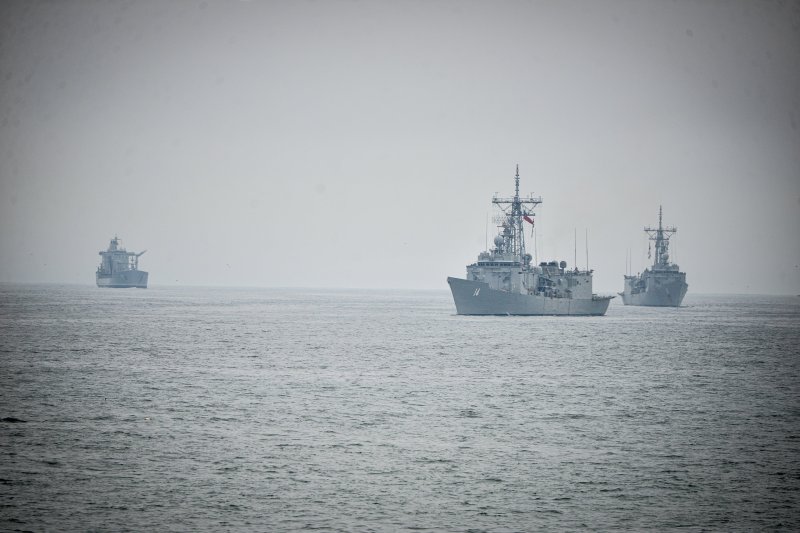
First, promote land connections between the regions of Aysén and Magallanes through the realization of Route 8, and also between the continent and the Big Island of Tierra del Fuego. Second, strengthen port infrastructure in the southernmost extreme, increasing service capacities to meet the demands of global maritime routes. Third, enhance maritime situational awareness systems through the integration of state-of-the-art sensors, aerospace surveillance, and naval patrolling, optimizing the monitoring of traffic in this interoceanic passage.
These measures should be complemented by a constant reaffirmation of the principle of indivisible sovereignty in the multilateral arena, dismissing any attempts to erode the narrative regarding the exclusive jurisdiction of the passage.
In conclusion, the assessment of the Strait of Magellan as a strategic asset does not stem from a radical nationalist vision or a static view of territory, but from the understanding of space as a variable of power. As Chile manages to connect the Magallanes region and the Big Island of Tierra del Fuego by land and simultaneously increases its situational control and port infrastructure capacity in the region, with the backing of political consensus and active diplomacy, the country will not only safeguard its territorial integrity but also strengthen its status as an indispensable actor in the governance and connectivity of the South Pacific and the Antarctic continent.
ALEJANDRO AMIGO
Senior Researcher, AthenaLab