COMMENTARY | Northern Macrozone: the First Checkpoint to Halt Organized Crime in Chile
This article was translated automatically and may contain differences from the original. For reference, read the original.
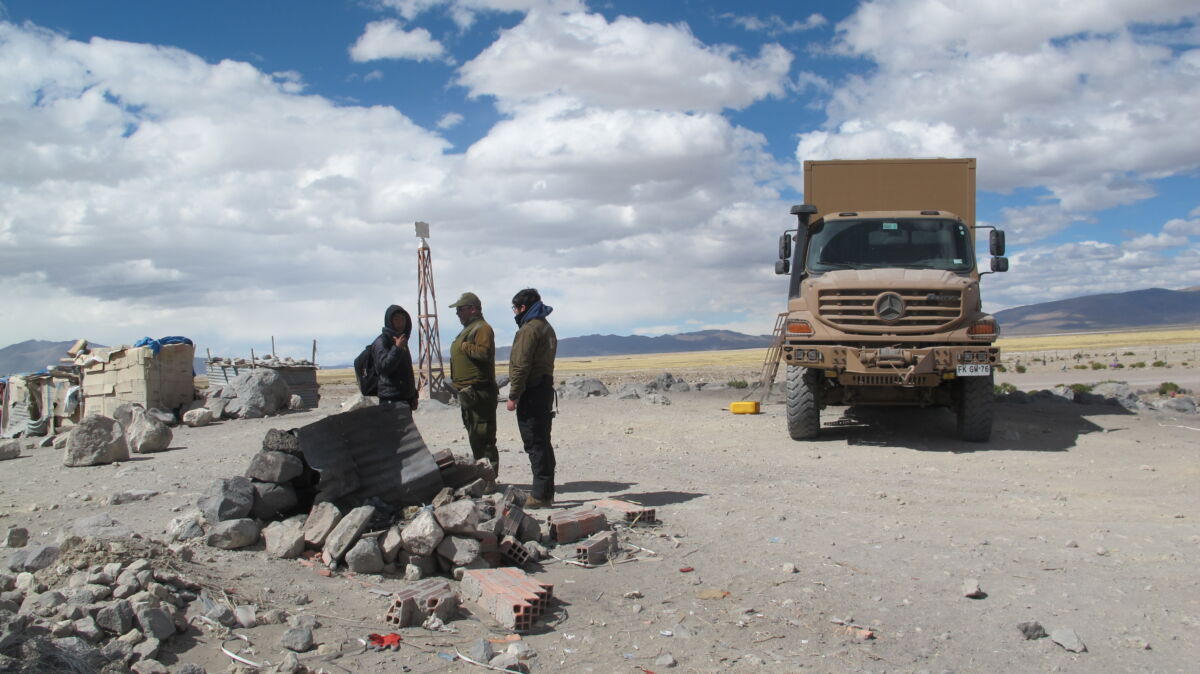
Located about 200 kilometers from Iquique towards the Andes, the town of Colchane, on the border with Bolivia, has become a symbol of the border issues facing the Northern Macrozone. There, the irregular entry of migrants is compounded by human trafficking and the smuggling of weapons from abroad.
Between March and May of this year, there has been a 135% increase[1] in irregular entries. For instance, in a single police operation, a gang dedicated to human trafficking was dismantled, which managed to bring in up to 1,700 people. All arrived near that crossing and were then distributed throughout Chile. The guides, or “coyotes,” as they are popularly known, were already familiar to those who used their services and were contacted abroad.
In another demonstration of the power of crime, more than four tons of hydrochloride cocaine, base paste, and marijuana were seized by the Investigative Police in 2021, solely in the Tarapacá region.
Meanwhile, Alto Hospicio, a municipality near Iquique, has become known for the illegal occupation of land, which has rapidly expanded. According to the local government, a quarter of the population lives in occupied areas, and more than 30% are irregular migrants[2].
In addition, there is another dimension that contributes to the complexity of the Northern Macrozone: the arms shipments from the United States that enter through the port of Iquique. Nationally, the trafficking of this type of material has increased by 11.2% as of May this year[3].
Today, maritime and land borders have become gateways for transnational organized crime. In the Northern Grande region, in particular, there is a unique situation where the borders of Chile, Bolivia, and Peru converge, and through this area run binational corridors that extend towards Argentina and Paraguay, highlighting the importance of the geographical connectivity that the area presents.
For example, the Desaguadero area, on the border between Bolivia and Peru, appears as a meeting point for those seeking to cross into Chile from Bolivian territory; the same applies to drug trafficking routes.
Given the transnational nature of the threat posed by criminal groups that occupy established routes and paths, only cooperation among countries can help address the problem comprehensively and begin to restore security in the Northern Macrozone.
The situation in the Northern Macrozone is similar, albeit on a smaller scale, to that in other porous border regions. For instance, at the border between the United States and Mexico, human traffickers, drug cartels, and arms smugglers coexist or compete for the same territory. Sometimes, gangs develop joint businesses, and a single group diversifies its portfolio of activities.
The Macrozone in Numbers
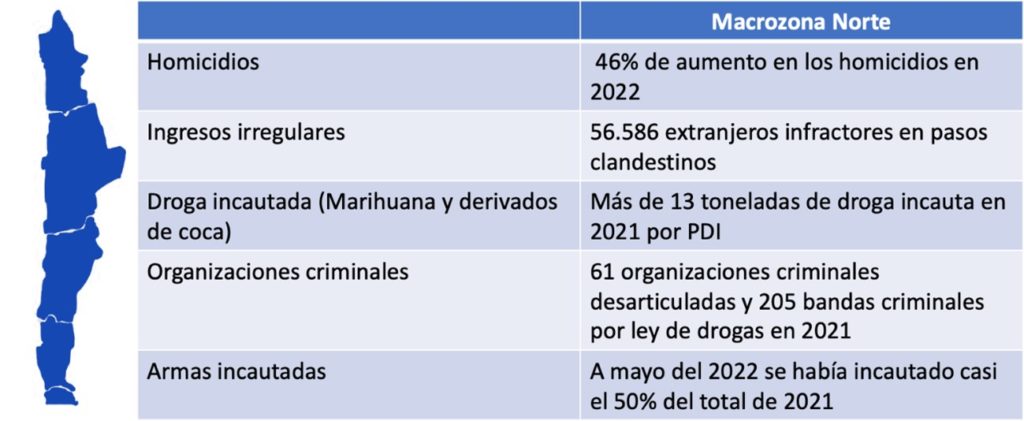
Source: Reports from the Investigative Police provided to the media
The opportunities that our country offers to organized crime, particularly in the Northern Macrozone, as a gateway and connection point with road networks, underscores the need to develop a state security structure focused on coordinated and integrated work among various agencies, allowing for territorial planning according to the specific characteristics of each area of the country, where intelligence is a key factor. With it, it is possible to model the behavior of criminal groups and understand how they move throughout the country, as well as identify links with other criminal organizations in the region, thus proposing responses aimed at halting the expanding wave of organized crime. AthenaLab made several proposals in this regard after touring the border to prepare the document “Northern Border: Time for a New Approach” (June 2019)[4].
In this sense, it is urgent to advance in the legislative discussion of bills such as the Intelligence Bill and those related to organized crime. The AthenaLab document “Proposal for a New National Intelligence System” (August 2019)[5], suggested that it should be based on new technologies, a deep professional training of its members, and a regulatory framework that ensures both individual rights and freedoms, as well as concrete results, always within the framework of a national security structure.
To gauge the scope of this new criminal scenario, it is crucial to understand the economic structure of the crimes to be targeted, in order to pursue the money, identify money laundering, and improve prosecution techniques.
Overcoming the ideological debate on security is another aspect that must be advanced, as these issues transcend governments and require state policies. The expansion of drug, human, and arms trafficking in the Northern Macrozone is the best example. It was a process that spanned years, covering more than one presidential term, and will require responses from different leaders, as there are no magic solutions, and short, medium, and long-term planning is needed for results to endure over time and adapt as the context changes.
It is time to start a conversation that clearly defines the urgent and important challenges and threats, and with that at the center, advance the work of each of the branches of government and decision-makers, in order to modernize the tools we have to combat such a complex issue as that presented in the north, a region of high strategic value due to its mineral resources and, therefore, fundamental for the development of the entire country.
Pilar Lizana, Researcher at AthenaLab
November 22, 2022
[1] Ex Ante. “The Explosive Entry of Irregular Foreigners into Chile in the March-May Quarter,” June 30, 2022. Available at: https://www.ex-ante.cl/crisis-migratoria-el-explosivo-ingreso-de-extranjeros-irregulares-a-chile-en-el-trimestre-marzo-mayo/
[2] La Tercera. “Land Occupations, Bullets, and Abandonment: The Pressure Cooker of Alto Hospicio,” October 23, 2022. Available at: https://www.latercera.com/la-tercera-domingo/noticia/tomas-balas-y-abandono-la-olla-a-presion-de-alto-hospicio/77IT3WKIMJDHRIZ4DCFRWRGSDE/
[3] EMOL. “The Increase in Arms Seizures in Chile: More than 1,200 Were Recovered in 2021, and 35% Are Concentrated in the RM,” May 11, 2022. Available at: https://www.emol.com/noticias/Nacional/2022/05/11/1060537/incautacion-armas-fuego-seguridad-delincuencia.html
[4] AthenaLab: Working Document No. 2: “Northern Border: Time for a New Approach,” June 2019. Available at: https://www.athenalab.org/frontera-norte-momento-de-un-nuevo-enfoque-2/
[5] AthenaLab: Working Document No. 3: “Proposal for a New National Intelligence System,” August 2019. Available at: https://www.athenalab.org/propuesta-para-un-nuevo-sistema-de-inteligencia-nacional-2/