HIGHLIGHTED BOOKS 2022
This article was translated automatically and may contain differences from the original. For reference, read the original.
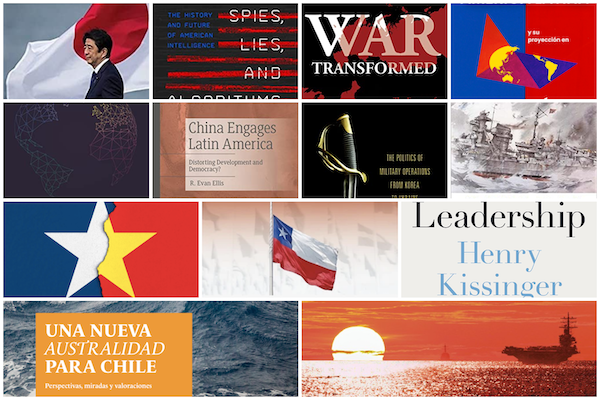
In our traditional list of the most notable books of the year, we observe a particular interest in developing themes related to security and strategy, reflecting the more uncertain world we find ourselves in. Additionally, tensions between the United States and China continue, especially in their maritime dimension. With Russia’s war against Ukraine still ongoing, we will have to wait until 2023 to see the list of titles that will address the current conflict.
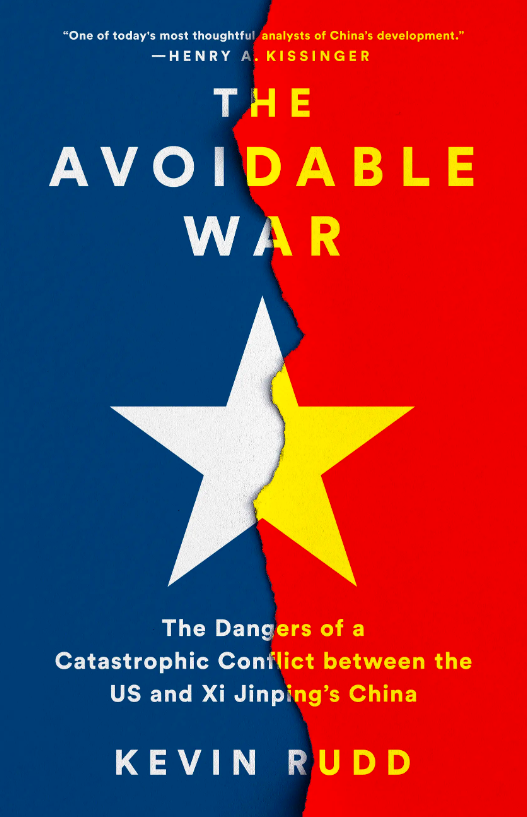
“The Avoidable War: The Dangers of a Catastrophic Conflict Between the US and Xi Jinping’s China”
Kevin Rudd
The former Australian Prime Minister suggests steps to stabilize relations between the United States and China, so that the challenge posed by the Asian giant to the current world order dominated by the United States can be managed, thereby avoiding a catastrophic conflict.
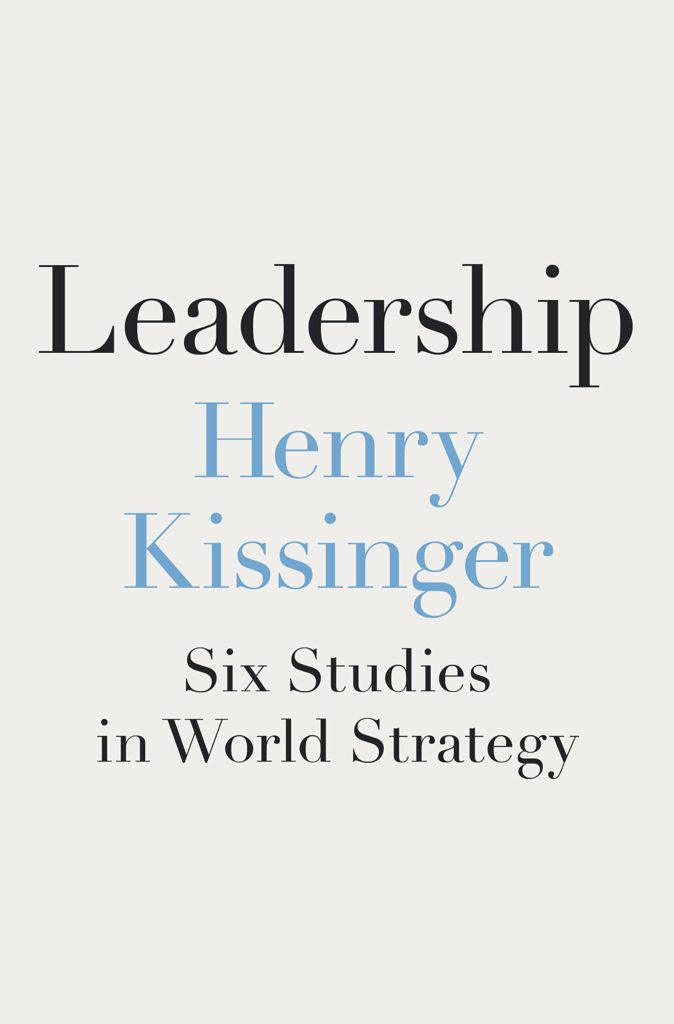
“Leadership”
Henry Kissinger
In a world where strong leadership seems absent, Henry Kissinger’s new book is enlightening as it examines six figures from the 20th century (Konrad Adenauer, Charles De Gaulle, Richard Nixon, Lee Kwan Yew, Anwar Sadat, and Margaret Thatcher) to expose the conditions under which they managed to shape their national and international environments despite adverse circumstances. The former U.S. Secretary of State begins by identifying two archetypes of leadership: the statesman and the prophet.
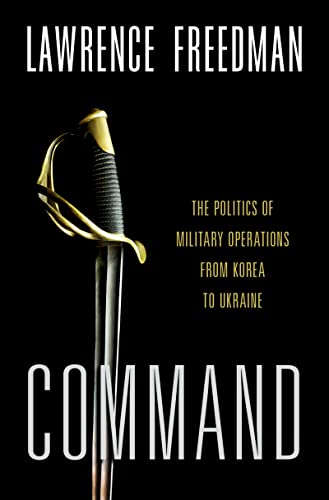
“Asia’s New Geopolitics: Military Power and Regional Order”
Lawrence Freedman
An essential work for those interested in strategic issues, as it addresses the challenges of command, which depend not only on thorough military preparation but also on a complete understanding of the political context in which force is employed. The author conducts an exhaustive review of military cases, with victories and defeats, from the Korean War (1950-1953) to the recently concluded conflict in Afghanistan (2021).
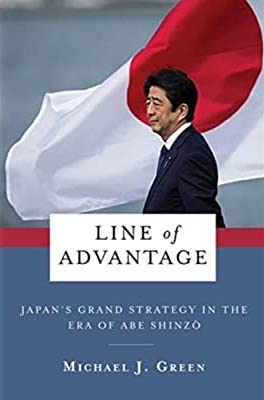
“Line of Advantage: Japan’s Grand Strategy in the Era of Abe Shinzō”
Michael J. Green
The fact that we are now witnessing a more assertive Japan in diplomatic and military matters can be explained by a shift in strategic culture implemented by Prime Minister Shinzo Abe, who from 2012 to 2020 developed the vision of a “Free and Open Indo-Pacific,” which combines a reinforced maritime posture with the promotion of international rules.
“Securing the State and Its Citizens: National Security Councils Around the World”
Paul O’Neill (ed.)
This valuable comparative study, edited by Paul O’Neill and published by the Royal United Services Institute, shows how different countries have established state security architectures to address risks and threats. The key to national security councils appears to be that they are coherent, capable, and credible.
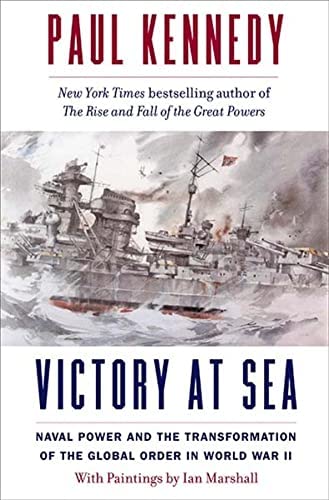
“Victory at Sea: Naval Power and the Transformation of the Global Order in World War II”
Paul Kennedy
Beautifully illustrated by Ian Marshall, historian Paul Kennedy writes in this book about the peak of the U.S. Navy during World War II. Undoubtedly, it may not have the impact of “The Rise and Fall of the Great Powers,” but Kennedy continues to narrate masterfully about a period that is always worth revisiting.
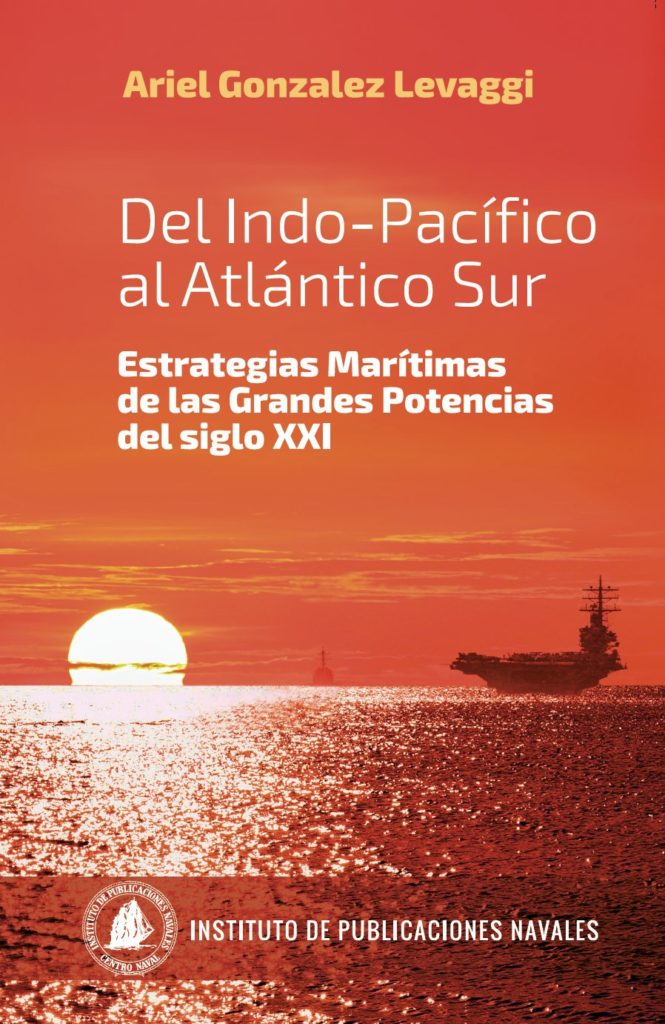
“From the Indo-Pacific to the South Atlantic”
Ariel González
This academic from the Catholic University of Argentina and researcher at the Argentine Navy offers a timely review of the general and, in particular, maritime strategies of the United States, China, Russia, and India on a global level, while establishing their necessary projection into the South Atlantic, an area that remains stable so far.
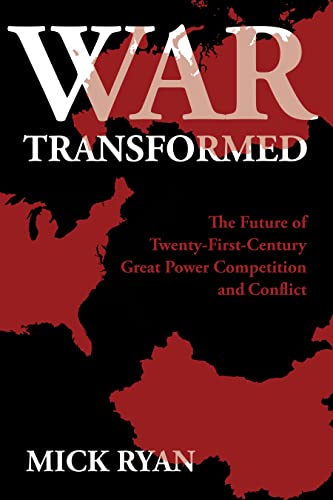
“War Transformed: The Future of Twenty-First Century Great Power Competition and Conflict”
Mick Ryan
The Australian general provides narratives and experiences for all those involved in military strategy design, as well as for those responsible for its execution. Additionally, he focuses his analysis on the impact that technology, the context of great power competition, demographic aspects, and climate change have on the use of military force.
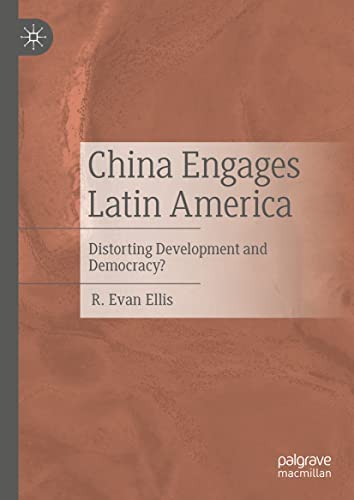
“China Engages Latin America”
Evan Ellis
According to Evan Ellis’s latest book, a research professor of Latin American Studies at the U.S. Army War College and a senior fellow at AthenaLab, the Chinese government, in seeking its own commercial and other interests in Latin America, is indirectly fostering a region that is less democratic and secure.
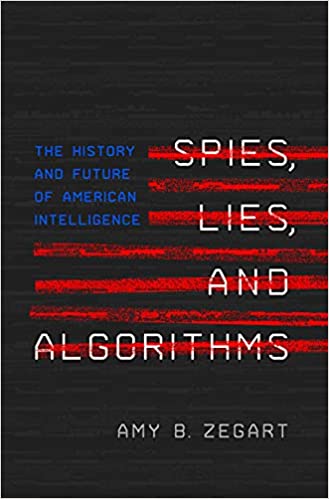
“Spies, Lies, and Algorithms: The History and Future of American Intelligence”
Amy B. Zegart
We are experiencing a crisis in intelligence education, triggered by the gap between conspiracy theories, cinematic fictions, and the reality of intelligence functions, which affects and distorts public perception. The author separates fiction from fact in her historical review of intelligence functions to address the present and future of intelligence, primarily driven by a revolution in digital technology and the emergence of new actors.
BOOKS PUBLISHED BY ATHENALAB

“Constitutional Path to Revolution: Chile Between the Outbreak, Plurinationality, and the Plebiscite”
José Rodríguez Elizondo
AthenaLab released this year the book by prominent writer and advisory council member José Rodríguez Elizondo, who addresses the political crisis affecting us since the end of Sebastián Piñera’s second term until now. The author weaves a fine tapestry where university protests, the 2019 uprising, the terrorism that authorities dared not mention, the constitutional process as a solution in extremis and the constitutional draft that was submitted to plebiscite on September 4
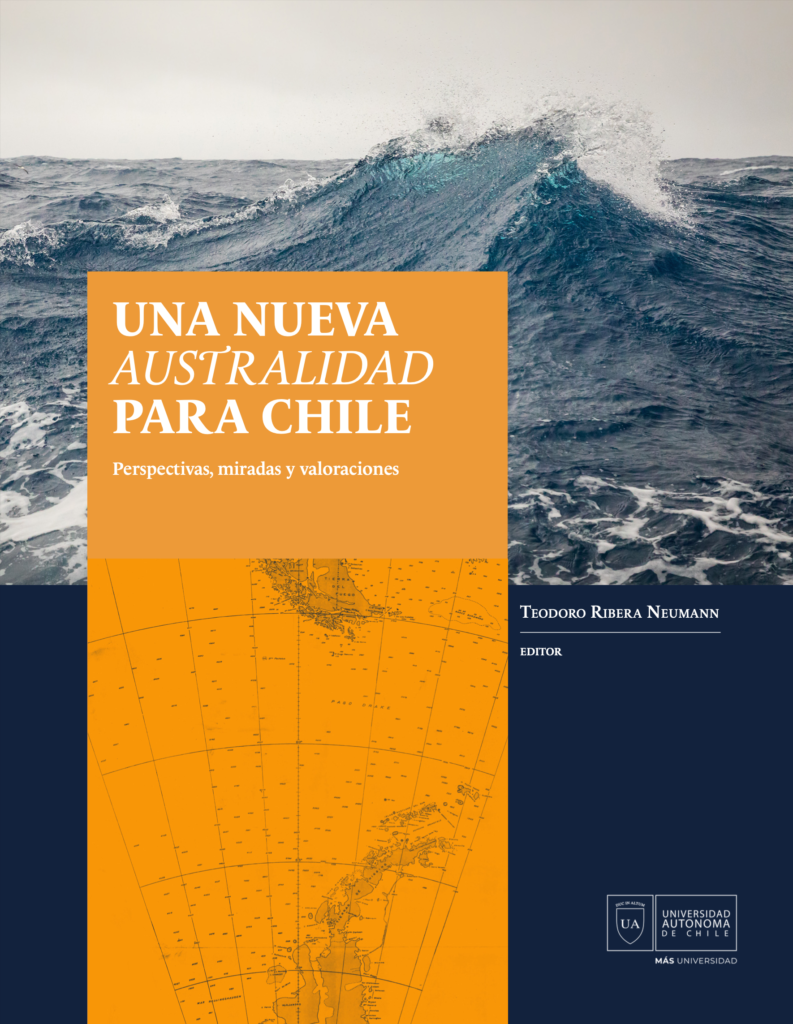
“A New Australidad for Chile”
Teodoro Ribera (ed.)
Edited by rector and former chancellor Teodoro Ribera, this book comprehensively addresses one of the most relevant geopolitical spaces for the country in the southern and sub-Antarctic region. It includes contributions from John Griffiths, head of studies at AthenaLab, and Julio Leiva and Ribera, the latter two being members of the advisory council.
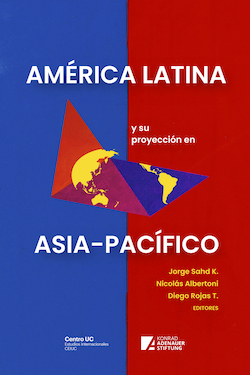
“Latin America and Its Projection in the Asia-Pacific”
Sahd, Albertoni, and Rojas (eds.)
Edited by rector and former chancellor Teodoro Ribera, this book comprehensively addresses one of the most relevant geopolitical spaces for the country in the southern and sub-Antarctic region. It includes contributions from John Griffiths, head of studies at AthenaLab, and Julio Leiva and Ribera, the latter two being members of the advisory council.