"Austral Entente": An Alliance of the Southern Seas
This article was translated automatically and may contain differences from the original. For reference, read the original.
- by Paul D. Pelczar
- Guest Contributions
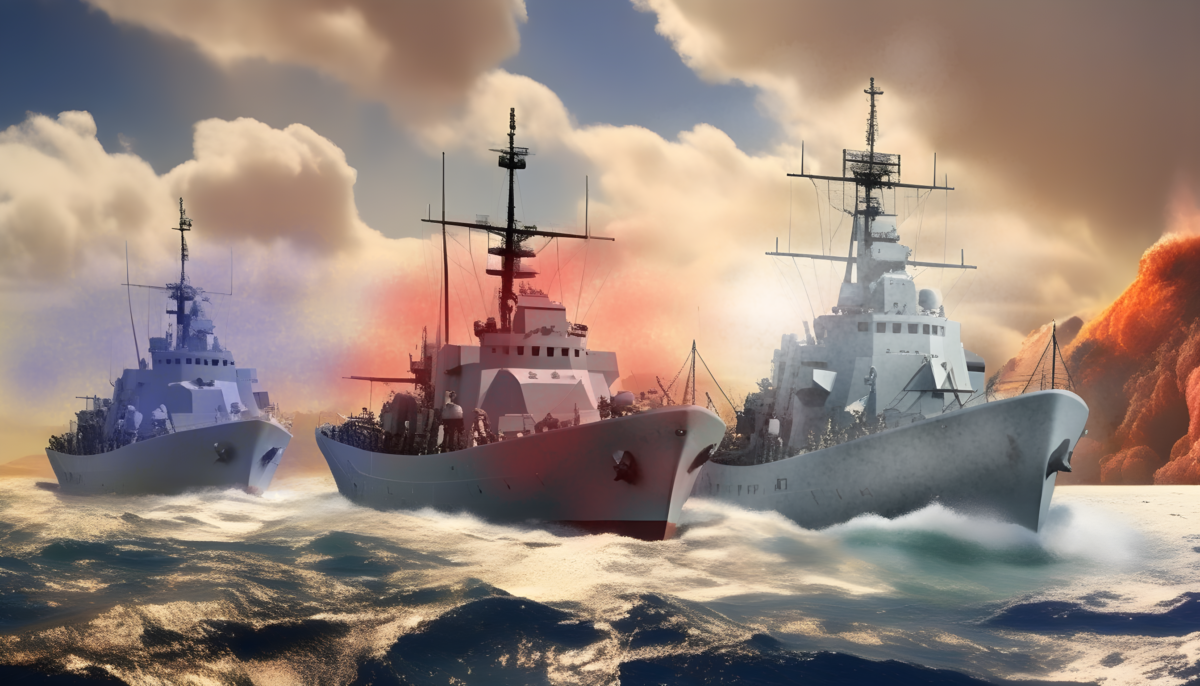
Australia has a long history of strategic naval alliances that have played a fundamental role in ensuring maritime security, regional stability, and economic growth. The enduring alliances that the Royal Australian Navy (RAN) has with international naval partners reflect the deep-rooted nature of this commitment. The recent strategic focus, centered on the South China Sea and Northeast Asia, is evident in Australia’s current participation in United Nations operations and in the missions of the Australian Defence Force (ADF) in the region[1]. Additionally, the RAN collaborates with various navies through initiatives such as the Five Power Defence Arrangements (FPDA), the Quadrilateral Security Dialogue (Quad), exercises that we organize ourselves, and bilateral naval relations with nearly all nations in the North, South, and Southeast Asia.
However, in today’s global landscape, characterized by rapid changes, there is a growing need for innovative approaches to security and prosperity. The resurgence of strategic competition closer to our maritime approaches, the constant evolution of the geopolitical landscape, and potential security threats in the vicinity of Antarctica in the near future have prompted a reassessment of our strategic priorities[2]. While there is currently no coercive power deployment in the South Pacific, its existence further north provides compelling evidence that a multilateral approach is needed to respond to a variety of possible future contingencies. This essay goes beyond reaffirming the evident benefits that the RAN’s relationships with international partners bring to our security and prosperity by proposing a unique maritime grouping.
This proposed naval pact aligns with historical alliances, provides notable benefits, and complements other initiatives that address these geopolitical challenges[3]. The “Austral Entente” [4]includes the navies of Australia, Chile, France, and New Zealand, all of which share core strategic interests in the South Pacific and the Southern Oceans. This potential partnership aims to enhance coordination with the Pacific Islands Forum (PIF), strengthen adherence to the Antarctic Treaty System (ATS), and further contribute to the security and prosperity of Australia and the region. SOUTH PACIFIC
Despite various efforts, the South Pacific remains vulnerable to illicit activities such as drug and human trafficking; Illegal, Unreported, and Unregulated Fishing (IUU); and other criminal actions that harm marine resources and the economies of the PIF
[5]. The proposed Entente would reinforce regional stability through an expansion of maritime presence, diplomatic engagement, resource sharing, and capacity building. This collective presence, in collaboration with PIF nations, would aim to increase deterrence against intrusions and safeguard the natural environment through capabilities honed over many years by conducting maritime security operations in the Middle East region.While the four countries already cooperate at various levels, the pact would enhance maritime domain awareness and establish specific communication protocols, resulting in more effective and efficient intelligence exchanges. Within an agreed multilateral legal framework, collective efforts would respond more effectively to challenges that extend beyond the reach of the law enforcement agencies of the four nations and the PIF. This collaborative approach would benefit both our national interests and the economies of the South Pacific. HUMANITARIAN ASSISTANCE AND DISASTER RELIEF Historically, naval alliances have swiftly contributed to the delivery of humanitarian aid and disaster relief in the South Pacific. The FRANZ Agreement, signed in 1992 by Australia, France, and New Zealand, has facilitated coordinated responses to natural disasters in the Pacific by the three countries. As a result, the three navies have strengthened ties with PIF communities during these events, providing assistance and expertise while demonstrating empathy and reliability
[6]
.
Collaboration in disaster response strengthens regional stability and the resilience of allied countries. Exercises such as “Croix du Sud” (organized by France), and missions like “
Pacific Partnership”(coordinated by the United States), also prepare naval forces for humanitarian crises and search and rescue (search and rescue, SAR) operations in natural disasters in the region. Australia and New Zealand have participated in both activities since their inception, and the recent acquisition of the vessel “ADV Reliant” provides additional capacity to support a variety of related contingencies. In recent years, Chile has progressively increased its participation in both activities. The greater inclusion of the Chilean Navy in contingency planning adds areas of preparedness, logistical support, and expertise in essential capabilities such as earthquake and tsunami response. Chile can also contribute its specialized knowledge of the more remote southern waters, which would enhance existing agreements[7].
MARITIME TRADE / JACK-ENOMICS[8]A secure maritime environment is vital for international trade in the South Pacific. The existence of secure shipping routes promotes economic growth and the transport of goods. Protecting maritime routes ensures trade flow and digital access, providing an alternative to increasingly contested and congested northern routes. Harmonizing trade fosters stability and growth, which requires consideration of economic structures and strengthening geopolitical dynamics. The four nations share democratic principles, actively support global institutions, uphold the importance of the rule of law, and share a commitment to free market principles.
Australia, Chile, and New Zealand are founding members of the Comprehensive and Progressive Agreement for Trans-Pacific Partnership (CPTPP). France, the only EU member state with territories in the Pacific, cannot join individually. However, linking the CPTPP and the EU through “French Pacific” creates the opportunity for greater economic and strategic synergy. Through the four navies, diplomatic dialogue, mutual understanding, and conflict resolution can be facilitated, laying a more secure foundation for the economic expansion of Europe and the Pacific.DIGITAL DOMAIN
Sydney’s status as one of the major submarine communication cable hubs contributes to its importance in global telecommunications infrastructure, facilitating high-speed data transmission, international business communication, and internet connectivity for Australia and the Asia-Pacific region as a whole. Brisbane and Melbourne also have multiple stations that facilitate connectivity with the Pacific region and beyond.
The South Pacific community relies heavily on submarine cables for internet connectivity, and disruptions can have far-reaching consequences. Recent incidents, such as the volcanic eruption in Tonga in 2022, remind us of digital vulnerability and the need to protect these vital communication lines
[9]
. Securing the submarine cables of the South Pacific is crucial for economic development, education, and essential services for the entire region.
Chile is a key node for connecting South America with Asia via the west coast of North America. The “Humboldt Cable” between Valparaíso and Sydney (an initiative proposed by Chile) offers an alternative route, avoiding more exposed and congested connections in the northern Pacific, and is a potential precursor to greater economic prosperity in the South Pacific. The potential Antarctic link would also align with Australia’s interests in the Southern Ocean[10]. Together with the Southern Cross NEXT system, it represents over 16,000 nautical miles of cable and additional land connections, some for the first time, that require oversight
[11]. Coordinated efforts among the four navies increase resilience by safeguarding these essential lines for global connectivity.The increase in digital connectivity and the proliferation of 5G networks will be accompanied by a corresponding rise in cyber threats. To effectively address this challenge, the four navies can offer their expertise to protect the computing capabilities of the PIF maritime forces. This collaboration can focus on critical areas such as reinforcing vessels and systems, network segmentation, and developing robust maritime incident response plans.ANTARCTICAThe four nations have significant and historical Antarctic claims; all are signatories to the ATS and member states of the Commission for the Conservation of Antarctic Marine Living Resources (CCAMLR). Currently, Australia enjoys non-militarized and nearly pristine access to the south, free from commercial mining and oil exploration, thanks to the ATS and CCAMLR, which have preserved the region for over sixty years
[12]
. However, there is an increasing threat to this status quo, as some state actors engage in more assertive and opaque activities that potentially include dual-use capabilities and are challenging the sanctity of the agreement
[13].The ATS is likely to be partially revised in 2048, and some nations are likely adopting a position to exploit mineral and maritime resources while simultaneously increasing their military posture[14]. However, maintaining a maritime presence in the Southern Ocean, especially below 60 degrees south, remains a challenge
[15]. This was evident in the late 1990s and early 2000s when the safeguarding of marine resources and operations in Australia’s Search and Rescue Region were publicly raised[16]. The pursuit of illegal toothfish fishermen and the rescue of Tony Bullimore highlighted Australia’s maritime responsibilities[17]. Over time, these issues have faded from national consciousness, but some issues such as IUU fishing still persist[18].The 2016 Defence White Paper emphasizes the importance of the continuity of the ATS through “collaboration with like-minded nations to prevent any militarization of the continent”[19]. However, the RAN has only one suitable vessel to operate in sub-Antarctic waters, the “HMAS Choules,” whose limited capability to operate in light ice is constrained
[20]. Combining expertise and capable platforms, especially during Antarctic winters, benefits the four nations. Additionally, despite potential minor complexities, the Chilean Navy’s experience in Antarctic navigation offers additional opportunities (beyond those of the Royal New Zealand Navy)[21]for RAN members to gain valuable experience in preparation for possible future contingencies[22]. CHALLENGES / SYNERGIES / OPPORTUNITIESThe four nations have faced bilateral challenges, such as nuclear testing, the incursions of the “Rainbow Warrior”[23]
, covert operations, mishaps in submarine acquisitions, the traditional Bledisloe Cup dispute
[24]… And separately, concerns related to self-determination, colonial legacies,realpolitik, climate change, and the environment remain pertinent for collective indigenous populations. The resurgence of great power politics adds complexity to these fears. However, uniformed sailors share a connection derived from their common bond with the sea. The unique qualities and traditions of each navy foster camaraderie among seafarers, personalizing diplomacy and facilitating goodwill. This often transcends conflicting histories and mitigates or diminishes political challenges through their interactions.The proposed initiative aims to shape the perspective of regional dynamics, focusing exclusively on South Pacific countries and aligning with the concept of “Blue Pacific” [25]. The Pact would collaborate with the PIF, reaffirming the Forum’s central role as an equal partner, similar to the Association of Southeast Asian Nations (ASEAN). This allows South Pacific nations to assert their capacity to act to address security challenges without being overlooked, fostering a more balanced and equitable framework that transcends the self-interests of the four nations involved. Furthermore, it would have the capacity to coordinate and address issues more effectively raised in forums such as the South Pacific Defence Ministers’ Meeting (
South Pacific Defence Ministers’ Meeting, SPDMM), and better utilize the framework known as‘Povai Endeavour’[26] .The RAN plays a key role in dispelling regional skepticism through training, long-term appointments of maritime surveillance advisors, and technical advice. This adds a human dimension to the Pacific Maritime Security Program, enhancing regional capacity through interaction, shared knowledge, and experience. The recent New Zealand Defence Policy Review and the country’s first National Security Strategy are now more closely aligned with Australia’s strategic policy. Additionally, aware of a similar statement in 2016, an exclusive partnership with the French Naval Forces of the Pacific (and the Chilean Navy) would contribute somewhat to removing the Anglophile label following the establishment of AUKUS and continue to alleviate some recent political tensions[27]. The proposed name for the alliance also responds to this intention.
The four nations gain greater regional influence through this unique partnership, enhancing their naval capabilities to improve their contributions to regional security. The PIF also benefits from the strengthened role of theEntentein regional security. The partnership would also expand collaboration to address maritime pollution, including oil spills and shipping contamination, preserving the marine ecosystems of the South Pacific, vital for partner countries and PIF member states.
SPECIFIC FOCUS / EXCLUSIVE MEMBERSHIP Large symposiums, conferences, and collective dialogues such as the Western Pacific Naval Symposium ( Western Pacific Naval Symposium
, WPNS) and the South West Pacific Heads of Maritime Forces Meeting (
South West Pacific Heads of Maritime Forces Meeting) are valuable events. However, achieving consensus among diverse national interests and capabilities is a challenge. Similarly, large naval exercises like RIMPAC and KAKADU enhance relations and security for Australia, but cater to diverse capabilities, diluting their focus and outcomes. By involving only the directly affected countries, there is a more defined focus, and likely more achievable outcomes.While the United States is undoubtedly a constructive partner in the South Pacific, the decision to exclude both the U.S. Indo-Pacific Command and the U.S. Coast Guard (District 14) from theEntenteholds significant importance in the broader strategic context of great power rivalry
[28] . Although American Samoa meets the geographical criteria, there are nuances that offer reasonable justifications for the exclusion of the United States [29]. Aside from reaffirming that this is a pact for navies, representing countries with direct and critical interests within the South Pacific and the Southern Ocean, this grouping does not affect our alliance nor impede coordination with the U.S. (or to a lesser extent with the United Kingdom)[30], but rather demonstrates sovereign interests, regardless of perceived imperious influence[31].Unlike the United States, France has established permanent military forces in the South Pacific, and the local population of over 550,000 is represented in the French National Assembly through universal suffrage[32]. Although France is a member of the Quadrilateral Defence Coordination Group of the Pacific, it consistently demonstrates its independence in global affairs and is deeply committed to the South Pacific
[33]. TheEntenteprovides France with an additional platform to support and address its regional interests and offers another avenue for the PIF to engage with global institutions.CHILEAN NAVY While the link with New Zealand is obvious, and with France a logical extension, the inclusion of the Chilean Navy may initially seem unexpected, especially considering that the distance from Sydney to Valparaíso is 4,370 nautical miles. However, in addition to meeting geographical criteria, the South American middle power is well positioned for greater interoperability and partnership. Chile is one of the fastest-growing economies in Latin America and has demonstrated its willingness for economic expansion
[34]
. The country also serves as a gateway for interactions and collaboration with other South American navies, offering greater potential access to their respective economies.
With traditions similar to the Royal Navy, the Chilean Navy participates in various bilateral and multilateral exercises, including UNITAS with the U.S. Navy, and was the first non-English speaking country to lead the maritime component of RIMPAC[35]. It also periodically conducts SAR maneuvers with the French Pacific Fleet, has a maritime patrol aircraft maintenance agreement with New Zealand, and participates in various symposiums such as the WPNS. The Chilean Marine Corps, with extensive experience in cold weather operations, plans to enhance its expeditionary capabilities, providing opportunities for greater interoperability with the ADF
[36].The RAN and the Chilean Navy interact periodically, primarily through these multilateral exercises, through programs such as the exchange of midshipmen aboard the training ship Esmeralda, and, in what constituted a significant milestone in 2020, the sale of the vessels “HMAS Melbourne” and “HMAS Newcastle” to Chile, which included several months of training at RAN facilities[37]. These personal relationships have already improved cultural exchange and familiarity, benefiting both navies, and were likely a contributing factor to the signing of the bilateral memorandum on Defence Cooperation in 2021
[38]. Chile’s intention to seek alliances further west strengthens its role as a key partner in regional security, enhancing its reliability to respond to challenges in the Pacific neighborhood.CONCLUSIONAustralia, through the RAN, consistently demonstrates the effectiveness of its soft power to reinforce its commitment to the security of the South Pacific. The RAN represents Australia’s reliability and goodwill as a neighboring nation, actively promoting regional stability and collaboration. The proposedEntente
offers the opportunity not only to support these ongoing efforts but also to expand our reach to the Southern Ocean more regularly. These four naval forces, more closely aligned, possess the innate capacity to work more effectively.
In addition to its effect and persistence, naval presence influences regional dynamics, strengthens alliances, and expresses a nation’s commitment to its interests. Given Australia’s near-absolute dependence on maritime trade for its continued prosperity, it is essential to maintain the integrity of our maritime trade routes with our major trading partners in Northeast Asia. However, unwanted transgressions in our immediate surroundings to the north and east, and also to our isolated south, require greater attention. Most of the frameworks cited in this essay already exist to varying degrees, but there are several subtle focal points. The greater inclusion of the Chilean Navy is offered for consideration, contrasting with the exclusion of the U.S. The singular objective of the Entente
approach in the South Pacific and adjacent Antarctic waters serves to reaffirm the maritime vulnerability of the digital economy, and of our potentially exposed flank in the far south, exacerbated by our limited naval capacity to conduct year-round operations. Additionally, the issues raised in this essay are also relevant in the near future for New Zealand’s Defence Capability Plan and French considerations to strengthen their Pacific maritime forces to meet increasingly diverse and greater requirements
[39] . The conflict in Ukraine highlights the importance of alliances, intelligence, alertness, and proactive strategic planning. The proposedEntenteemerges as a proactive response to the constantly evolving geopolitical dynamics occurring in Australia’s immediate maritime sphere, through expert diplomacy and tangible actions. By capitalizing on historical ties and shared interests, the
Entente would facilitate trust and act as a counterbalance to external influences. This pact aspires to elevate security and prosperity, reflecting a dedication to collective efforts, diplomatic commitment, and fostering goodwill among the naval forces of the four nations, thus paving the way for a safer, more democratic, and prosperous region. PAUL D. PELCZAR December 2, 2023 *The opinions expressed in this article are those of the author and do not necessarily reflect the views of AthenaLab.
*
*Essay reproduced with permission from its author and originally published for a competition organized by the Chief of the Royal Australian Navy in 2023. A shorter version can be found at: https://navalinstitute.com.au/austral-entente-a-southern-seas-alliance/
[1]
“Operations,” Department of Defence of the Government of Australia, https://www.defence.gov.au/operations. LINESMAN is the ADF’s contribution to the peace process between South Korea and North Korea. ARGOS is the ADF’s contribution to enforcing UN Security Council Resolution 2375 sanctions against North Korea. TheIndo-Pacific Endeavor
supports Australia’s commitment to regional security forces. [2] Australian Defence Strategic Review, 2023 (https://www.defence.gov.au/about/reviews-inquiries/defence-strategic-review) [3]
“Operations,” Department of Defence of the Government of Australia, https://www.defence.gov.au/operations. The Enhanced Regional Engagement
(ERE) is the ADF’s regional commitment in the Southwest Pacific, in support of the Pacific Step-up Initiative of the Australian Government. SOLANIA is the ADF’s contribution to maritime surveillance in the Pacific Region. [4] In Chilean Spanish, “ Austral
” means “ South” when discussing topics such as geographic regions, celestial phenomena, or directions. In the international context, the French word “Entente” refers to agreements or alliances between nations with common interests or objectives.[5]Jose Sousa–
Santos, J. “Drug trafficking in the Pacific Islands: The Impact of Transnational Crime.”Lowy Institute, February 16, 2022. https://www.lowyinstitute.org/publications/drug-trafficking-pacific-islands-impact-transnational-crime. [6] “The FRANZ Arrangement.” Ministry of Foreign Affairs of New Zealand, 2014.
https://www.mfat.govt.nz/assets/Aid –Prog –docs/NZDRP–docs/Franz–Arrangement–Brochure.pdf.[7]Hodgman, P. “Some Capability and Operating Implications Arising from AUS’s Antarctic and Southern Ocean Interests.”Soundings Issue
No. 10 , RAN, March 2016. https://www.navy.gov.au/sites/default/files/documents/Soundings_No_10.pdf. [8] Created for this essay, the term “Jack-Enomics
” refers to the strategic role that navies and sailors play in enhancing international economic trade. This includes safeguarding security, ensuring maritime stability, cultivating goodwill, and actively fostering human capital development through diplomacy and community engagement. [9]Lipscombe, P. “Tonga’s Domestic submarine cable fixed 18 months after volcanic eruption,” Datacenter Dynamics, https://www.datacenterdynamics.com/en/news/tongas-domestic-submarine-cable-fixed-18-months-on-from-volcanic-eruption/.[10]
“Chile Telecommunications Subsea Fiber-Optic Cables.” International Trade Administration, September 20, 2022. https://www.trade.gov/market
– intelligence/chile –telecommunications–subseafiber–optic–cables.[11]O’Halloran, J. “Southern Cross announces world’s longest single-span submarine 400GbEnet.”Computer Weekly,July 11, 2022. https://www.computerweekly.com/news/252522560/Southern-Cross-announces-worlds-longest-single-span-submarine-400GbEnet.
[12] “Antarctica At Risk”, Rand Australia, 2023, p.1. https://www.rand.org/content/dam/rand/pubs/research_reports/RRA2400/RRA2465-1/RAND_RRA2465-1.pdf. [13] Hodgman, P: “Antarctica At Risk.”
[14] “Protocol on Environmental Protection to the Antarctic Treaty,” Antarctic Treaty Secretariat, https://www.ats.aq/e/protocol.html.
[15] “Names and Limits of Oceans and Seas around Australia.” Australian Hydrographic Service, Department of Defence, March 13, 2018. https://web.archive.org/web/20180313130704/http://www.hydro.gov.au/factsheets/WFS_Names_and_Limits_of_Oceans_and_Seas_Around_Australia.pdf.
[16] “Suspected toothfish poachers nabbed,”
Reuters , August 29, 2003. https://www.abc.net.au/science/articles/2003/08/29/934982.htm;
“ Another one that didn’t get away! ”Australian Antarctic Magazine, No. 2, Spring 2001, October 10, 2001. https://www.antarctica.gov.au/magazine/issue-2-spring-2001/international/another-one-that-didnt-get-away/.[17]“Australia’s search and rescue region,” Australian Maritime Safety Authority, https://www.amsa.gov.au/safety-navigation/search-and-rescue/australias-search-and-rescue-region; “Search and Rescue: A Miracle in the South,” Semaphore, RAN, https://www.navy.gov.au/media-room/publications/semaphore-03-07.
[18] Coade, M. “PM: Antarctica facing ‘unprecedented challenges,” The Mandarin , October 6, 2021, https://www.themandarin.com.au/171161-pm-antarctica-facing-unprecedented-challenges/
[19] “Defence White Paper”. Department of Defence of Australia, 2016. https://www.defence.gov.au/about/strategicplanning/defence-white-paper. [20]“Australia’s future activities and responsibilities in the Southern Ocean and Antarctic waters,” section 1.29, Australian Senate research, October 29, 2014, https://www.aph.gov.au/Parliamentary_Business/Committees/Senate/Foreign_Affairs_Defence_and_Trade/Southern_Ocean_and_Antarctic_waters/Report/c01.
[21] “Successful resupply mission to Antarctica proves capability of NZ Navy ship,” Antarctica New Zealand, February 17, 2022. https://www.antarcticanz.govt.nz/media/news/successful-resupply-mission-to-antarctica-proves-capability-of-nz-navy-ship.
[22] “Antarctica At Risk,” pp.7 and 42. The United Kingdom, France, Australia, and New Zealand mutually recognize their Antarctic claims. Despite their competing territorial claims, the United Kingdom has a cooperation agreement with Chile.
[23] Flagship of the non-governmental organization Greenpeace that was used to protest at sea.
[24] Traditional rugby cup contested by the teams of Australia and New Zealand.
[25]“The Blue Pacific: Our Sea of Islands, Our Security through Sustainable Development, Our Prosperity through Unity.” PIF Secretariat, 2017. https://www.forumsec.org/wp-content/uploads/2017/08/2017-Forum-Leaders-Communique.pdf. The concept is based on the idea that the Pacific Ocean and its island nations are not just a collection of individual states, but a unique and interconnected entity united by geography, culture, and shared challenges.
[26]“Climate change is the single greatest threat to Pacific, say defence ministers.” Pacific News Service, November 9, 2022. https://pina.com.fj/2022/11/09/climate-change-is-the-single-greatest-threat-to-pacific-say-defence-ministers/?doing_wp_cron=1695016060.7967851161956787109375.
[27] Regaud, N. “France and Security in the Asia-Pacific”,
The Strategist , December 12, 2016. Illustrates France’s defense and security policy in the Indo-Pacific and demonstrates the country’s commitment to developing strong ties with regional states for common security. https://www.aspistrategist.org.au/France-security-asia-pacific; “Joint Statement – Second France-Australia Foreign and Defence Ministerial Consultations (Paris, January 30, 2023)”, Ministry of Europe and Foreign Affairs, France, https://www.diplomatie.gouv.fr/.
[28] Zhang, D. “US–China rivalry intensifies in the Pacific,” East Asia Forum, April 16, 2022. https://www.eastasiaforum.org/2022/04/16/us-china-rivalry-intensifies-in-the-pacific/ [29]“American Samoa”, U.S. Department of the Interior. https://www.doi.gov/oia/islands/american-samoa. American Samoa is an unincorporated and unorganized territory of the U.S.; “United States Coast Guard.” U.S. Department of Homeland Security, https://www.pacificarea.uscg.mil/Our-Organization/District-14/D14-Cutters/. There are currently no Coast Guard units based in American Samoa.
[30] Bentham, J. “The Royal Navy’s River class: keeping the UK’s Indo-Pacific tilt afloat?” April 6, 2022. International Institute for Strategic Studies. https://www.iiss.org/en/online-analysis/military-balance/2022/04/the-royal-navys-river-class-keeping-the-uks.indo-pacific-tilt-afloat/. Pitcairn Island is the only British Overseas Territory in the South Pacific.
[31] “Boe Declaration on Regional Security,” 2018, PIF Secretariat, https://www.forumsec.org/2018/09/05/boe-declaration-on-regional-security/.
[32] Regaud, N. “France’s Indo-Pacific Strategy and its Overseas Territories in the Indian and Pacific Oceans.”
The Australian Strategic Policy Institute, June 25, 2021, p.14. https://www.aspi.org.au/report/frances-indo-pacific-strategy-and-its-overseas-territories-indian-and-pacific-oceans. In the Pacific Ocean, the French Armed Forces in New Caledonia (FANC) and French Polynesia (FAPF) operate 2 frigates, 3 patrol vessels, 2 multi-mission ships, 5 maritime surveillance aircraft, 4 tactical transport aircraft, and 5 helicopters.
[33] “France’s Defence Strategy in the Indo-Pacific.” Ministry of Defence of France, 2019., p.18. https://dkiapcss.edu/wp-content/uploads/2020/02/France-Defence_Strategy_in_the_Indo-Pacific_2019.pdf. [34] “Chile Overview: Development news, research, data”. World Bank. https://www.worldbank.org/en/country/chile/overview#
[35] “UNITAS 2023”, U.S. Southern Command, https://www.southcom.mil/Media/Special-Coverage/UNITAS-2023/. ‘UNITAS’ in Latin means ‘unity’. The exercise, conducted by the U.S. Navy since 1959, involves several navies from North, South, and Central America. Chile has participated in RIMPAC exercises since 2004 and served as Commander of the Maritime Component in 2018.
[36] Higuera, J. “Chile buys light armored vehicles from New Zealand in $20M deal,”
Defense News , https://www.defensenews.com/global/the-americas/2022/04/22/chile-buys-light-armored-vehicles-from-new-zealand-in-20m-deal/.
[37] Gain, N. “Ex-RAN Adelaide-Class Frigates Commissioned With The Chilean Navy,”Navy News
, April 21, 2020. https://www.navalnews.com/naval-news/2020/04/ex-ran-adelaide-class-frigates-commissioned-with-the-chilean-navy/. The “HMAS Melbourne” was renamed “Almirante Latorre,” and the “HMAS Newcastle” as “Capitán Prat.” [38] Chile country brief – Bilateral Fact Sheet. Government of Australia, Department of Foreign Affairs and Trade. https://www.dfat.gov.au/geo/chile/chile-country-brief-bilateral-fact-sheet.[39]Frampton, N. “New Zealand seeks new ships to replace ‘majority’ of naval fleet,” Defense News, September 11, 2023, https://www.defensenews.com/naval/2023/09/11/new-zealand-seeks-new-ships-to-replace-majority-of-naval-fleet/.