ANALYSIS | "Decapitation" as a Tactic Against Terrorists and Cartels
This article was translated automatically and may contain differences from the original. For reference, read the original.
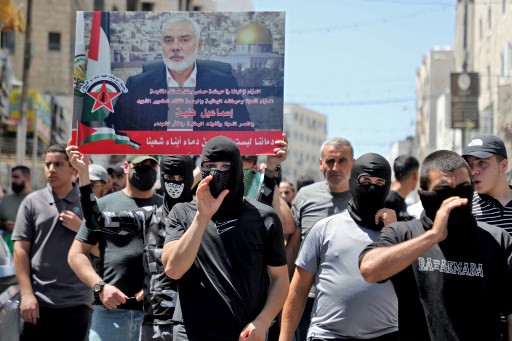
The militias of Hamas and Hezbollah have just suffered two significant blows to their leadership within hours of each other. While the leader of the Palestinian group, Ismail Haniyeh, was killed in a bombing at a residence in Tehran, a military chief of the Lebanese organization, Fuad Shukr, died in another explosion in Beirut. Although no one has claimed responsibility for the first incident, Israeli forces have taken credit for the execution of Shukr, one of their most ardent enemies.
In the realm of security, the tactic of destroying or immobilizing organizations by eliminating their leadership is known as “decapitation.” Its use is common for targeting terrorists, guerrillas, and organized crime groups. Examples range from Colombian drug trafficker Pablo Escobar to Al Qaeda leader Osama Bin Laden.
Although the practice is not new, the use of drones with precision missiles, which sometimes do not use explosives against their targets, has allowed it to be refined, even if its long-term effectiveness is debatable. The definitive loss of a leader does not always mean the collapse of the group, and sometimes capture, if possible, is more useful than death due to the information that can be obtained about plans and subordinates. There is also always the risk of fragmentation of the organization, making it more difficult to combat, which often occurs with drug cartels when they lose their leaders.
In fact, the founder of Hamas, Sheikh Ahmed Yassin, was assassinated in Gaza in 2004 in an Israeli helicopter attack, yet the organization continues. However, the elimination of leaders of the Revolutionary Armed Forces of Colombia (FARC), such as “Raúl Reyes,” “El Mono Jojoy,” and “Alfonso Cano,” was indeed an important factor—though not the only one—that led the guerrilla to negotiate peace, resulting in its agreed-upon end.
American researcher Jenna Jordan, one of the foremost experts on the subject, states in “Leadership Decapitation: Strategic Targeting of Terrorist Organizations”, that while this tactic is a valid option for attacking groups that pose serious threats to security, its effectiveness greatly depends on the specific conditions of the organization from which the leadership is removed.
Jordan argues that it is crucial for those who decide to execute a leader to be aware of the effects that such an action will provoke, as the death of terrorist leaders often fuels radicalization and leads to a consequent increase in widespread violence. Therefore, it is key to consider how structured the organization is, as its hierarchies, size, age, codes of conduct, and access to resources are the pillars of resilience. A strong political or religious ideology, tied to causes that outlive individuals, is also an important factor of cohesion.
After studying more than 1,200 cases of targeted leadership between 1970 and 2016, the researcher concluded that: 1) The longer organizations exist, the greater the likelihood of surviving the death of a significant leader, and it can even be counterproductive if it provides reasons for renewal; 2) Organizations with more than 500 members tend to continue in the absence of a leader, unlike those with fewer than 100; 3) Separatist and religious organizations are more difficult to dismantle by removing their leadership compared to political groups.
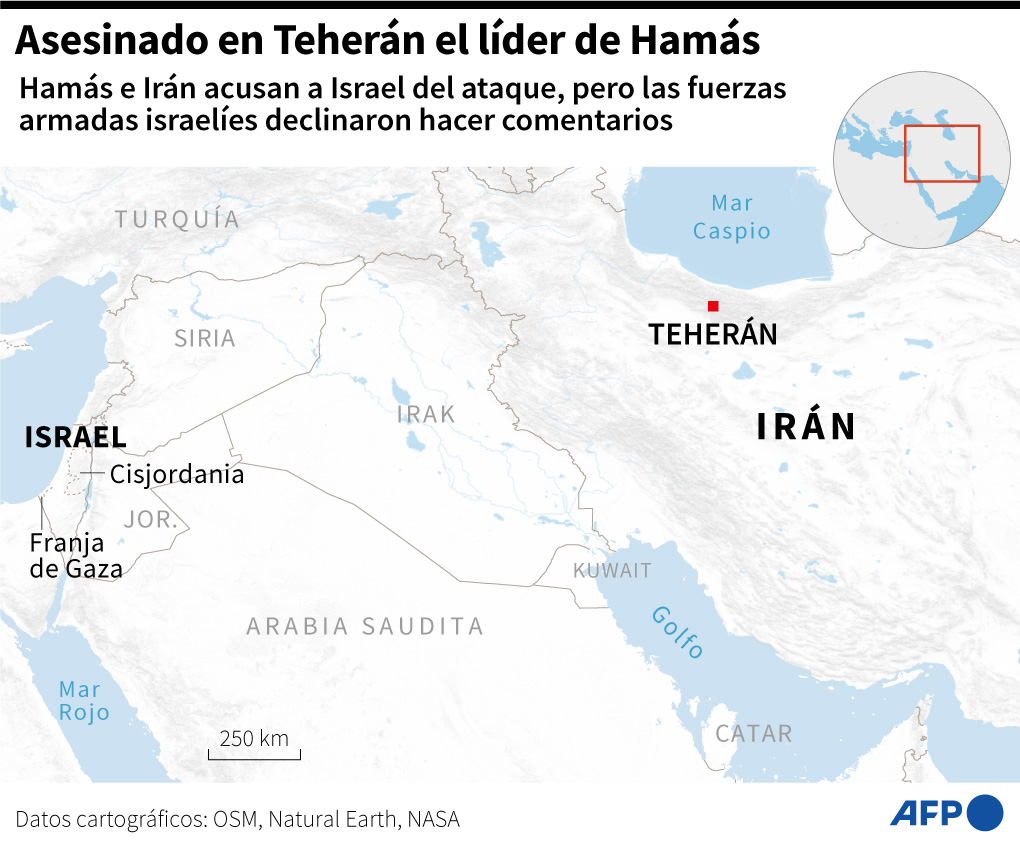
In this sense, the expected effects of the “decapitation” of the leadership of Hamas and Hezbollah will not be the collapse of these militias, but rather a temporary decrease in violence while they prepare their reprisals against Israel from the Gaza front and southern Lebanon. However, in the case of Gaza, given its context within a larger military operation, the consequences could be amplified. There is no doubt about the clear message from the Israeli state to its enemies: no one is safe if they decide to attack us. Shelters simply do not exist. This was demonstrated with fleeing Nazi leaders and members of Black September who participated in the Munich massacre.
In particular, the death of Haniyeh is highly significant, as Hamas accuses Israeli forces of being responsible. This makes sense, as Prime Minister Benjamin Netanyahu’s government aimed to destroy the organization following the terrorist military incursion in October 2023, which resulted in 1,200 deaths and over 200 kidnappings, and occurred in Tehran, the capital of Iran, a country that launched a failed missile and drone attack against Israel last April and acts as a sponsor of all kinds of militias and rebels in the Middle East. For Israeli intelligence, which has faced criticism for failing to prevent last year’s attack, this would serve to demonstrate its recovery after the serious failure.
All of the above allows us to conclude that “decapitation” as a tactic will continue to be employed against terrorists and cartels as one of the attack tools due to its high immediate impact, but not as “the” primary tool for dismantling organizations that pose risks to national, regional, or global security. Making leaders more concerned about hiding than planning new attacks is part of the objective, as it disrupts decision-making processes. This is valid from Sinaloa to Gaza. When combating dangerous organizations, it is necessary to consider going high or at least consider it as an option.
Juan Pablo Toro, Executive Director of AthenaLab
July 31, 2024
Photo: France Presse