Disaster Management in Chile: Institutional Framework for Prevention or Merely for Reaction?
This article was translated automatically and may contain differences from the original. For reference, read the original.
- por Pablo Matamala
- Colaboraciones externas
Law 21364 of 2021 establishes that the National Disaster Prevention and Response Service (Senapred) is the governing body for planning and coordinating resources for emergency prevention and response in Chile. Although the aim is to promote practices that prioritize prevention, the agency has faced criticism following its actions during events such as wildfires and floods in 2023 and 2024, which have exposed shortcomings in its structure and operations.
The risk governance model proposed by Hood et al. (2001) suggests different interventions depending on the individual capacity for assessment and response to specific risks. The events managed by Senapred typically exhibit high vulnerability and low individual response capacity, necessitating active state intervention at multiple levels.
The Disaster Risk Cycle involves phases of mitigation, preparedness, response, and recovery, each with differentiated organizational approaches. Given the high complexity and low level of coupling inherent in preventive activities, the best way to manage them is based on highly competent human resources and a horizontal, flexible organization.
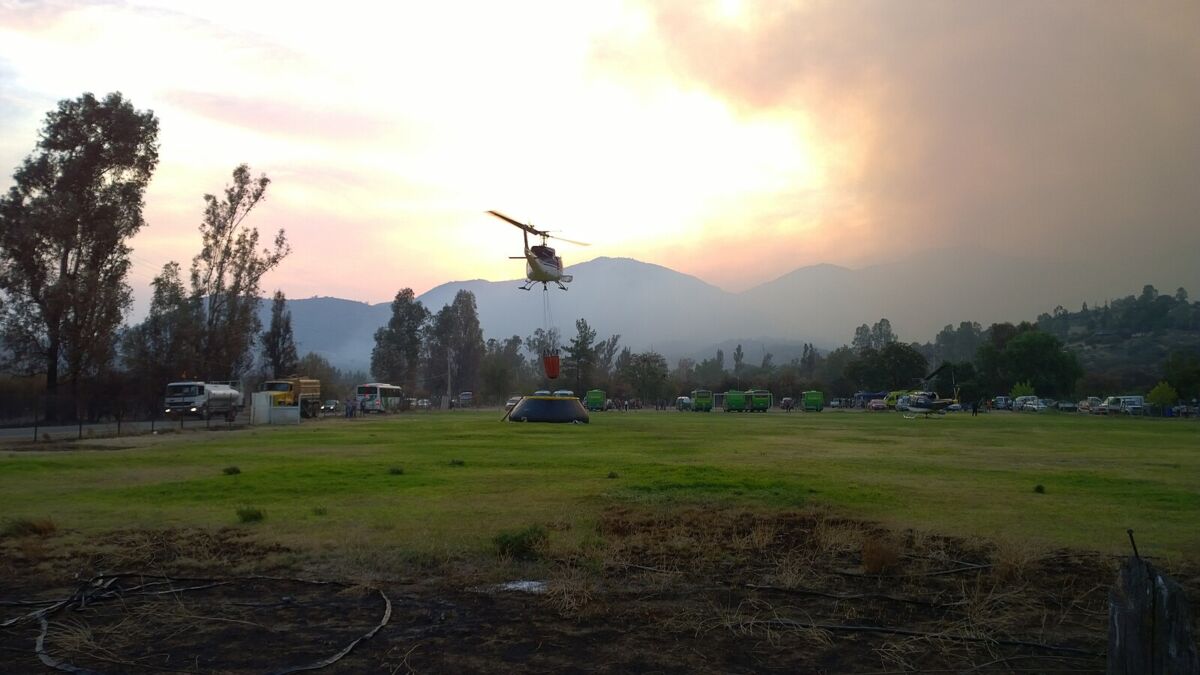
The fire in Viña del Mar and Quilpué (2024) and the August storm that cut electricity supply to much of the country highlighted weaknesses in Senapred’s response capacity and preventive planning at the local level. An analysis was conducted on how such threats are incorporated and addressed in municipal Disaster Risk Reduction (DRR) plans.
Three critical areas of weakness were identified:
- Lack of DRR plans. Only 2% of municipalities had an approved plan as of February 2024.
- Quality and coverage of plans. Many existing plans do not adequately address all risks, and mitigation measures primarily focus on emergency response rather than prevention.
- Technical competencies of personnel. There are no clear requirements regarding the training qualifications for those responsible for risk management at the municipal level.
These weaknesses can be attributed to concepts from Risk Theory, such as the “Notion of Normalcy,” which describes how organizations can become complacent in the face of abnormal situations; “System Degradation,” which indicates how small failures can accumulate and lead to crises; and “Normalization of Deviations,” where what is intolerable becomes formalized as acceptable or normal. Excessive confidence that everything will be resolved simply by having a written plan can turn it into a “Fantasy Document.”
It is suggested to implement Hood’s model to analyze diverse risks and anticipate conflict scenarios. It is also recommended to expedite the creation of DRR plans in municipalities. It is essential to train professionals responsible for risk management functions and to promote the inclusion of preventive measures in the plans. The lack of resources should not be an excuse to overlook risk situations, considering the progressive advancement to higher levels for their management.
Reviewing the structure and functioning of Senapred is essential to develop a more robust approach to disaster management in Chile. Efforts must be prioritized to improve the well-being and safety of communities in the face of future emergencies, shifting from a reactive to a more preventive and proactive approach.
Download complete document
por Pablo Matamala
Consultor Senior en Riesgos Empresariales
¿Quieres publicar con nosotros? Revisa nuestras normas para colaboradores externos.
Ver normas de publicación