DT33 | Geopolitical Assessment of the Middle East: Israeli-Palestinian Conflict
This article was translated automatically and may contain differences from the original. For reference, read the original.
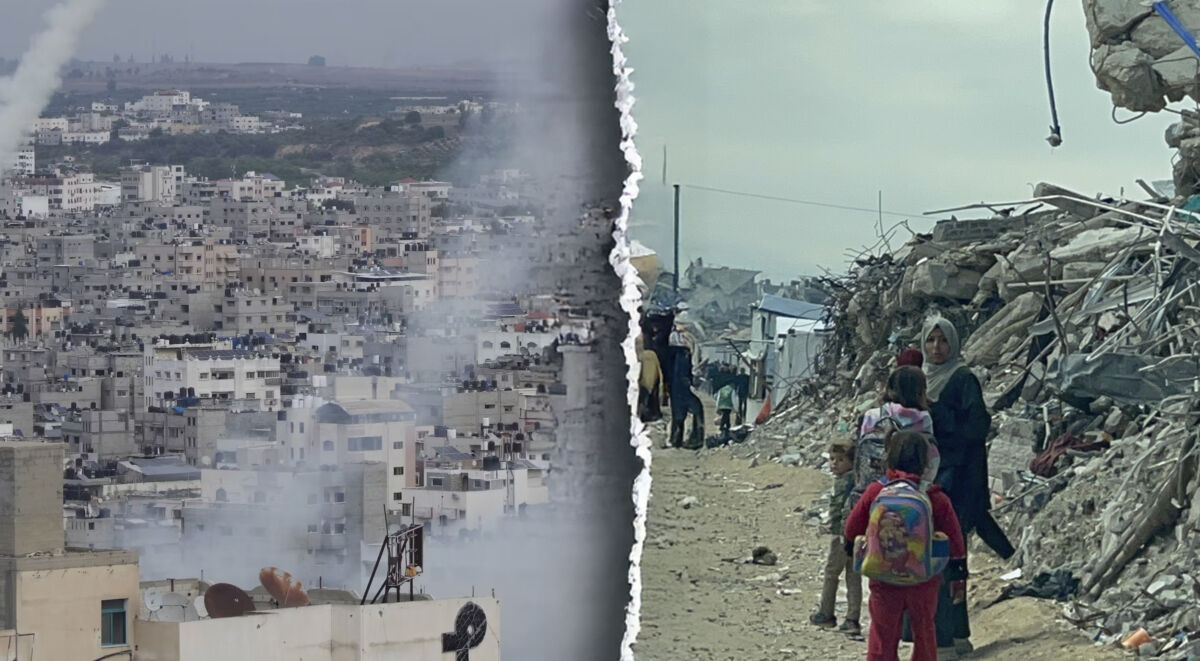
The evident instability of the international system added an important chapter starting on October 7, 2023, with Hamas’s attack on Israel and the conflict between the latter and Iran’s proxy organizations in Lebanon, such as Hezbollah, as well as others in Yemen or Syria. This new phase introduced direct cross-attacks between Tel Aviv and Tehran, an unprecedented development that has given the region a unique quality. In this regard, it is estimated that the current conflict unfolding in the geographical area under study will mark a significant geopolitical and geostrategic shift in the Middle East, as well as a reconfiguration of regional balances and current strategic patterns.
The relevance of the Middle East is geostrategically determined by the importance and priority this area holds for major powers, due to its resources, as well as the interaction of great powers in the geographical area and their ongoing conflicts. Among these, the Israeli-Palestinian conflict is the oldest, dating back to the 1940s, alongside others such as the Iran-Iraq War (1980-1988), Iraq’s invasion of Kuwait (1990), the Iraq War (1990-1991 and 2003), the Arab Spring (2011), and the conflicts in Lebanon, Syria, and Yemen.
Consequently, this paper will provide a general description of the scenario concerning the particular geography, history, and actors in conflict, followed by an examination of each of the main armed confrontations in which Israel has participated. It will then review the new phase that began with Hamas’s attack in 2023, continuing with a geopolitical analysis of the current situation of the conflict. Finally, some conclusions, possible scenarios, and recommendations for the State of Chile will be formulated.
For the development of this work, alongside bibliographic research, interviews with experts, and the review of historical background and reports on recent events, the AthenaLab team conducted fieldwork, which included meetings with research centers and visits to Tel Aviv, Jerusalem, Beersheva, Kibbutz Beeri, the Sea of Galilee, and the Golan Heights.