COLUMN | The Narco-Military Issue
This article was translated automatically and may contain differences from the original. For reference, read the original.
- por Richard Kouyoumdjian
- Noticias
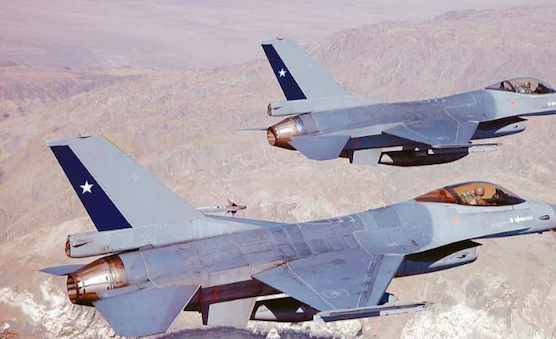
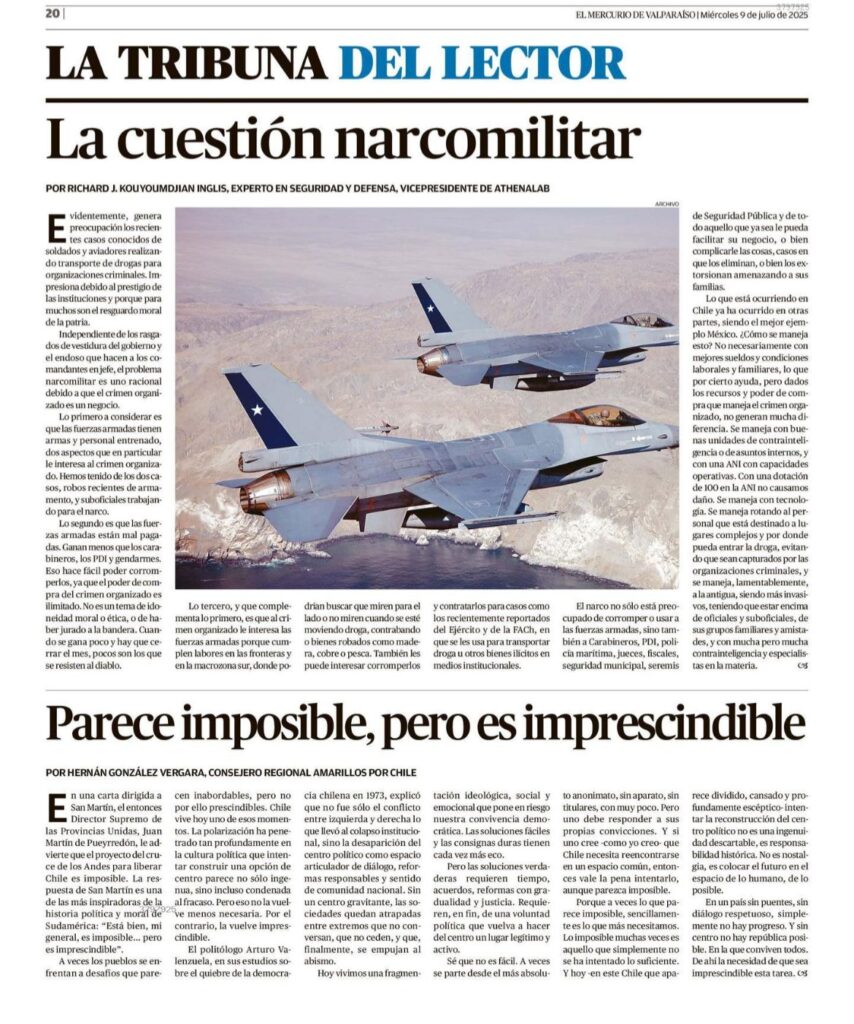
The recent cases of soldiers and aviators transporting drugs for criminal organizations are understandably concerning. This is striking due to the prestige of the institutions involved, and because for many, they represent the moral safeguard of the nation.
Regardless of the government’s outcry and the blame placed on the commanders-in-chief, the narco-military problem is a rational one, as organized crime is a business.
The first point to consider is that the armed forces possess weapons and trained personnel, two aspects that are particularly appealing to organized crime. We have seen both cases: recent thefts of weaponry and non-commissioned officers working for drug traffickers.
Secondly, the armed forces are poorly paid. They earn less than the Carabineros, the PDI, and prison guards. This makes them easy to corrupt, as the purchasing power of organized crime is unlimited. It is not a matter of moral or ethical suitability, or of having sworn allegiance to the flag. When one earns little and has to make ends meet, few can resist temptation.
Thirdly, and complementing the first point, organized crime is interested in the armed forces because they operate at the borders and in the southern macrozone, where they might seek to look the other way or not notice when drugs, contraband, or stolen goods such as timber, copper, or fish are being moved. They may also seek to corrupt and hire them for cases like those recently reported involving the Army and the Air Force, where they are used to transport drugs or other illicit goods using institutional means.
The narco-traffickers are not only concerned with corrupting or using the armed forces, but also the Carabineros, the PDI, maritime police, judges, prosecutors, municipal security, regional public security officials, and anyone else who could facilitate their business or complicate matters, in which cases they eliminate or extort them by threatening their families.
What is happening in Chile has already occurred in other places, with Mexico being the best example. How is this managed? Not necessarily with better salaries and working conditions, which certainly help, but given the resources and purchasing power of organized crime, they do not make much difference. It is managed with effective counterintelligence units or internal affairs, and with an ANI that has operational capabilities. With a staff of 100 in the ANI, we do not cause damage. It is managed with technology. It is managed by rotating personnel assigned to complex areas where drugs may enter, preventing them from being captured by criminal organizations, and unfortunately, it is managed in an old-fashioned way, being more invasive, having to monitor officers and non-commissioned officers, their family groups and friendships, and with a lot of counterintelligence and specialists in the field.