FEATURED BOOKS 2025
This article was translated automatically and may contain differences from the original. For reference, read the original.
It was not easy to select the featured books of the year, as there was a wide and high-quality offering. For example, the remarkable biography of a strategic thinker and executor, of which there are few today, can be perfectly paired with an essay on current leaderships, which are somewhat chaotic.
Also included are works that explain how China, the United States, India, and Russia are trying to position themselves advantageously in a more competitive and conflictive world, using military and financial tools, the latter particularly in the form of sanctions.
Two young researchers (an Argentine based in Chile and a Chilean residing in Japan) provide original perspectives on the influences of trade, investments, and technology transfers in Latin America, within the framework of the rivalry between Beijing and Washington.
Finally, in Chile, a collective work and an individual one addressed the central issue of insecurity, both that which arises from violence manifesting in various areas of society and that which stems from organized crime.
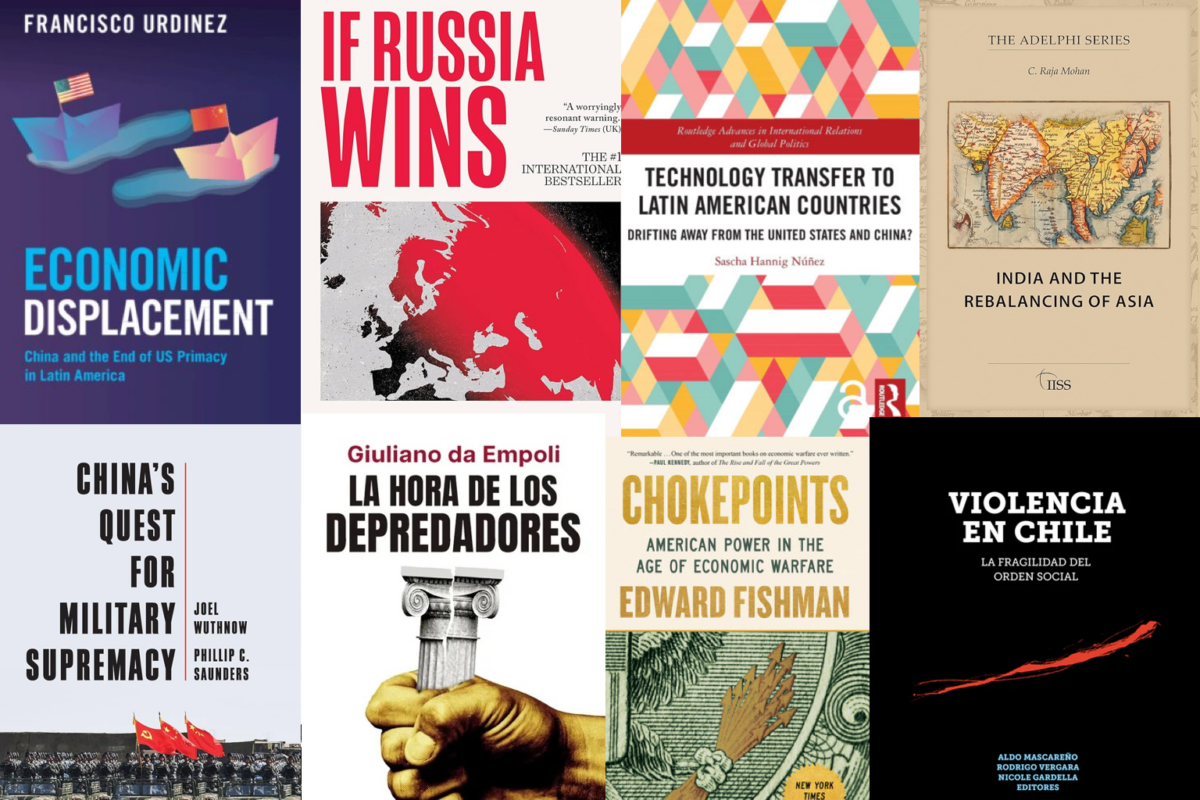
BOOK | “Chokepoints,” Edward Fishman
This work illustrates how the United States conducts an economic war to weaken its rivals, especially China, employing a wide range of sophisticated commercial and financial tools, prominently featuring sanctions.

BOOK | “The Hour of the Predators,” Giuliano da Empoli
Familiar with the intricacies of power, Da Empoli explains how current leaders prefer to exploit chaos through reckless actions, reminiscent of Cesare Borgia—an inspiration for Machiavelli—where technology magnates become competitors for power.

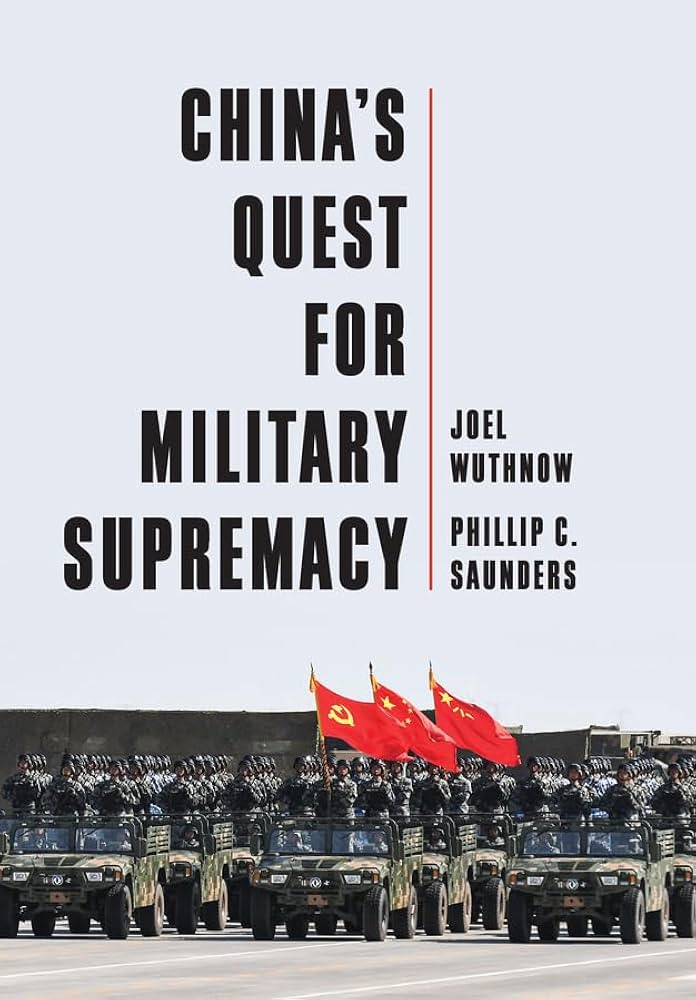
BOOK | “China’s Quest for Military Supremacy,” J. Wuthnow and P. Saunders
One of the most comprehensive analyses of Chinese military development in recent decades. It covers the strategic vision of military leaders, resources invested, the relationship between the Armed Forces and the Communist Party, preparations for war, making this an essential book.
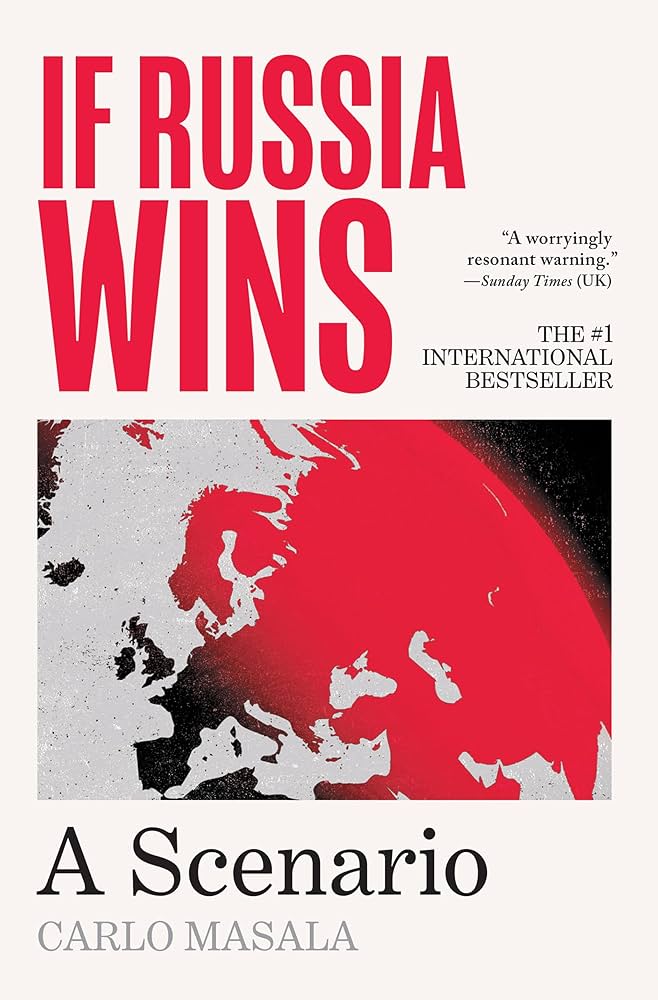
BOOK | “If Russia Wins: A Scenario,” Carlo Masala
March 2028: Russian troops capture the Estonian city of Narva and the island of Hiiumaa in the Baltic Sea. Following victory in Ukraine, Putin’s long-debated incursion into the Baltic countries has begun. Europe’s slow rearmament and its weakened military and intelligence capabilities are now at the disposal of its enemies. Does NATO’s Article 5 apply? What will the alliance decide? Will they risk a nuclear war?
BOOK | “India and the Rebalancing of Asia,” C. Raja Mohan
The author explains how India has had to modify its ambivalent foreign policy to strengthen its national power in the face of a more challenging China and seek new security alliances with countries like the United States.

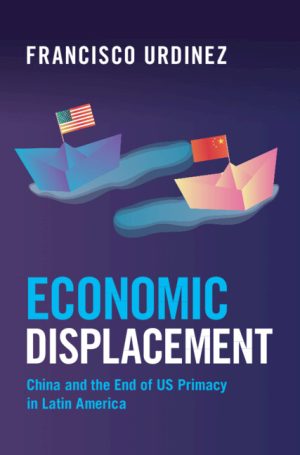
BOOK | “Economic Displacement: China and the End of US Primacy in Latin America,” Francisco Urdinez
This researcher from the Political Science Institute of the Catholic University conducted valuable and original work by compiling and cross-referencing data from 2000 to 2020, demonstrating how China gained significant economic weight in Latin America and its effects on the regional political agenda.
BOOK | “Technology Transfer to Latin American Countries Drifting Away from the United States and China?” Sascha Hanning
The Chilean researcher based in Japan analyzes the processes underlying technology transfers in the context of state decision-making in Latin America, all within the framework of the rivalry between the United States and China.

BOOK | Violence in Chile (CEP)
The Public Studies Center launched “Violence in Chile,” a compilation of essays on how violence manifests in the country, covering everything from within schools to organized crime. All of this leads to the fragility of social order and the rule of law.
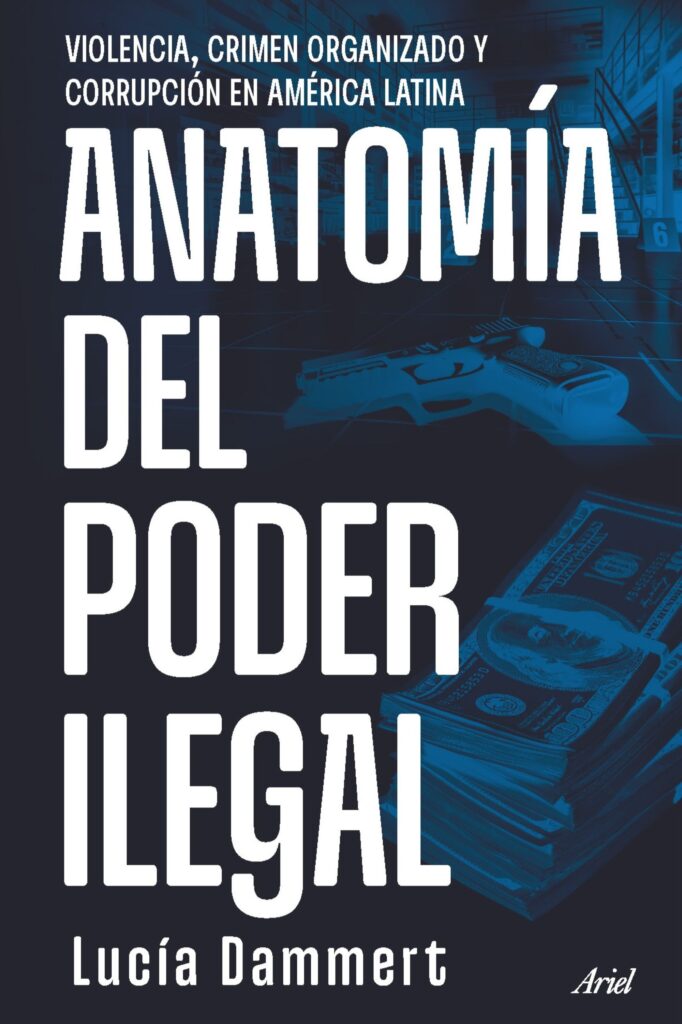
BOOK | “Anatomy of Illegal Power,” Lucía Dammert
The renowned sociologist draws on decades of experience studying organized crime in Latin America in this book to explain its multiple expressions and the causes of its widespread expansion, all amid the security crisis affecting Chile and the region.