DT37 | Four Years of War in Ukraine: New Geopolitical Scenarios
This article was translated automatically and may contain differences from the original. For reference, read the original.
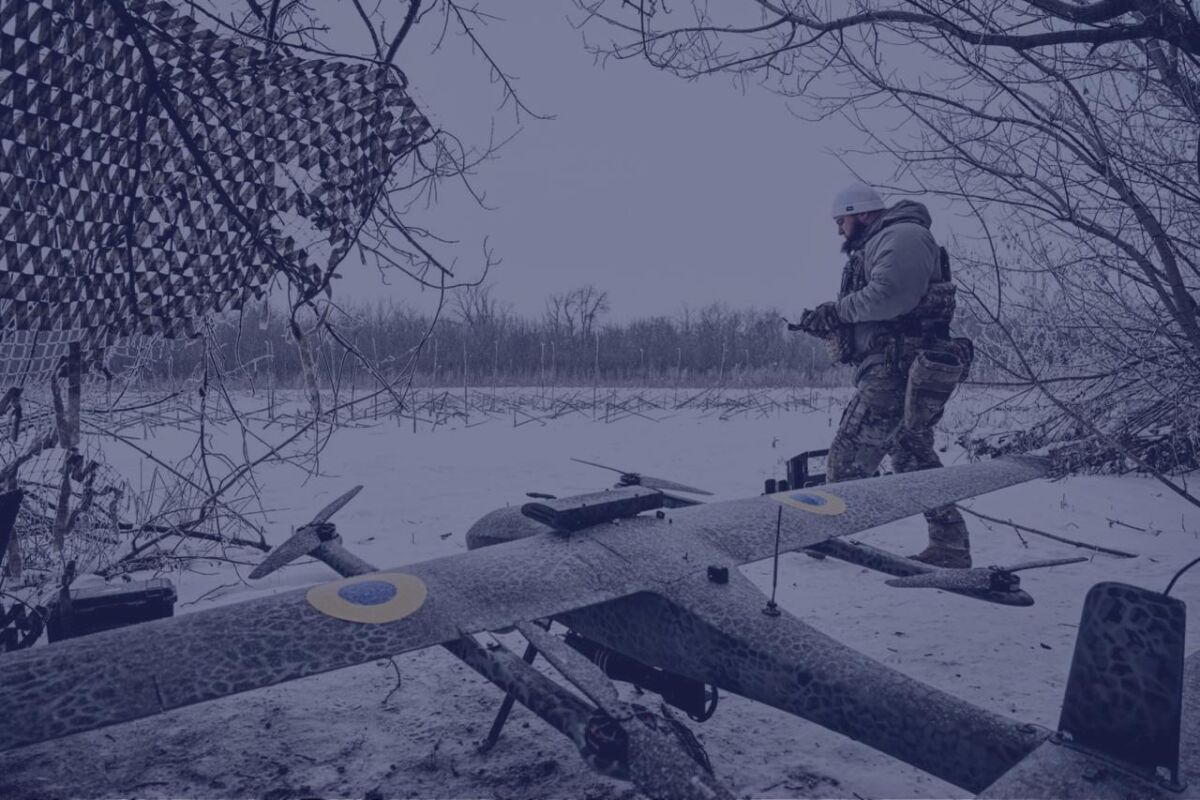
As of February 2026, the front line in the war in Ukraine extends over 1,200 kilometers and is characterized by a density of fortifications and a high saturation of sensors, making large-scale offensive maneuvers highly costly and risky. Russia has maintained the strategic initiative for the past two years and has managed to capture approximately 20% of Ukrainian territory. However, its advances during 2025 have been modest, achieved through infantry infiltration tactics—which have drained its resources—and localized artillery superiority. The Donbas axis remains the focal point of Russian operations, where Moscow has concentrated the majority of its combat power to achieve total dominance over Donetsk. Internationally, the growing instability and increasing conflict among major powers have overshadowed the war, compounded by the emergence of President Donald Trump and the evolution of alliances, both traditional and new.
In this context, to assess factors of continuity and change, AthenaLab has prepared its study on the state of the conflict for the fourth consecutive year. As evidenced, there are aspects that have remained largely unchanged over the past year, although this does not mean that the war has stopped in any way. This document primarily focuses on evaluating the fourth year of confrontation by reviewing the most relevant aspects of operations up to the situation in February 2026. It addresses elements such as the dynamics on the battlefield, the campaign of strategic attacks, and, certainly, the attempts to negotiate peace in an evolving international scenario.
Subsequently, the study seeks to extract some reflections and perspectives for 2026 through the analysis of past events, concentrating on the evolution of operations, especially the emergence and apparent dominance of drones; as well as the artificial dichotomy between attrition and maneuver. The analysis continues by reviewing changes in the elements that, from the perspective of this think tank, have been identified as central to the development and conclusion of the conflict: external support, time, and the will to fight. This section concludes with a discussion on a new architecture of confrontation and prospects for peace. Finally, the work proposes some ideas that should be considered by countries like Chile.
The study was completed during the second week of February 2026, so there may be events or information not included that could potentially modify some aspects of what is proposed here. Any inaccuracies or misjudgments are the sole responsibility of the authors of this document.