Naval Power UK: From Global Power to Focused Deterrence?
This article was translated automatically and may contain differences from the original. For reference, read the original.
- by Carlos Solar
- Guest Contributions
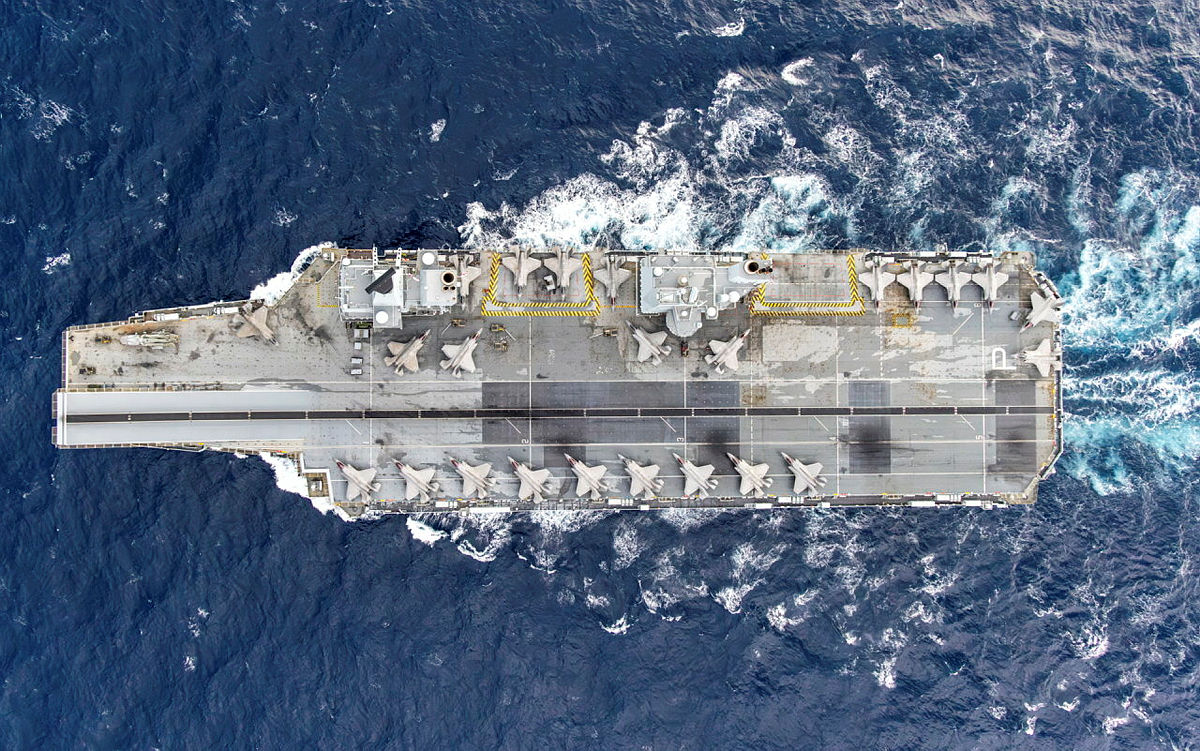
The British maritime strategy is being redefined with a focus on the North Atlantic, positioning Russia as the primary challenge, while promoting the modernization of capabilities and the incorporation of unmanned systems.
The strategic maritime environment of the United Kingdom is undergoing a profound transformation, driven by the convergence of state threats, accelerated technological advancements, and the erosion of traditional assumptions about naval warfare. Russia’s illegal invasion of Ukraine in 2022 has not only redefined European security but has also highlighted the vulnerability of conventional naval forces to unmanned systems, precision strikes, and increasingly rapid innovation cycles. In this context, maritime dominance is once again at the center of British national defense, serving as the first line of deterrence and response to high-intensity conflicts.
Based on the Inaugural Lord Fisher Chair on Maritime Power and Naval Transformation, delivered by the First Sea Lord, General Sir Gwyn Jenkins at the Royal United Services Institute, this analysis examines the changes in the United Kingdom’s maritime strategy, the evolution of the threat environment, with particular attention to Russia, and the key priorities regarding capabilities, alliances, and force modernization.
The analysis does not aim to advocate for these changes but rather to identify the fundamental axes that structure the new strategic naval projection of the United Kingdom under General Jenkins. First, it highlights the reorientation towards the North Atlantic and the so-called High North as priority operational and deterrence spaces (see Image 1). Second, it emphasizes the transformation of the force and the development of capabilities aimed at a more agile, integrated, and high-intensity combat-ready navy. Third, it underscores the strong commitment to unmanned systems as a central element of the future naval architecture. Finally, it establishes Russia as the strategic priority that provides coherence to these lines of action, shaping both the perception of threat and the operational and investment responses of the United Kingdom.
In 2022, the British government published a working document that considered the High North and the security of the North Atlantic as strategic priority areas, committing to protect its interests and those of its allies in an increasingly accessible region. Its focus has since centered on safeguarding critical infrastructure, ensuring freedom of navigation, reinforcing the rules-based international order, particularly under the United Nations Convention on the Law of the Sea, and countering destabilizing activities. To this end, it proposed improving its understanding of the environment, maintaining a coherent military presence in the region, and developing modern and sustainable capabilities. This strategy proposed a ten-year horizon, recognizing that the High North is closely linked to the North Atlantic, Northern Europe, and other key areas for the global interests of the United Kingdom.
Today, it is particularly interesting to study the British naval reorientation, as placing the center of strategic concern in a specific geographical space, as Jenkins proposed, could potentially undermine its position and presence in territories such as the Falklands, Gibraltar, Diego Garcia, the Caribbean, and Australia. Britain, being one of the five permanent members of the Security Council, has undertaken global tasks thanks to its operational reach in blue waters, which could currently be reduced to specific geographical areas.
Operationally, this dilemma is already manifesting in the tension between regional commitments and global presence. For example, maintaining an aircraft carrier strike group in the Indo-Pacific, as seen in recent deployments, requires a concentration of escorts, logistical support, and personnel that simultaneously limits the ability to sustain presence in the South Atlantic or the Gulf. This forced prioritization logic implies that each relevant deployment in one region reduces the response capacity in another.
A clear example was the operation to protect maritime traffic in the Strait of Hormuz, where the United Kingdom had to maintain naval presence to escort commercial vessels in a high-tension environment with Iran. This deployment highlighted the limitations of escort availability, forcing the reassignment of resources from other theaters and underscoring the difficulty of maintaining simultaneous commitments in multiple strategic regions.
Image 1. The North Atlantic and the High North.

2. Towards a New Turning Point
The Royal Navy is undergoing a period of accelerated transformation under the classic principle that a credible maritime force must ensure peace. Admiral Lord Fisher, First Sea Lord from 1904 to 1910, was the chief architect of the modernization of the Royal Navy before World War I, promoting innovation, preparedness, and the decisive use of new technologies such as the Dreadnought battleship. His emphasis on rapid adaptation and capability-based deterrence reflects the urgency that General Jenkins has now placed on the current naval transformation agenda.
For Jenkins, the United Kingdom is at a strategic turning point. The war in Ukraine has prompted European navies to rethink their role in the centrality of maritime power for national security, economic stability, and sovereign resilience. Freedom of maritime movement remains essential for trade and energy flows, while naval capability underpins deterrence and crisis response. However, the conflict in Ukraine has exposed the vulnerabilities of traditional naval structures. Ukrainian forces, despite having limited conventional naval assets, have employed unmanned systems and precision strikes to degrade the Russian Black Sea Fleet, forcing it to withdraw from key areas. The rapid innovation cycle of Ukrainian maritime drones, often measured in months, illustrates the pace at which innovation is transforming naval warfare.
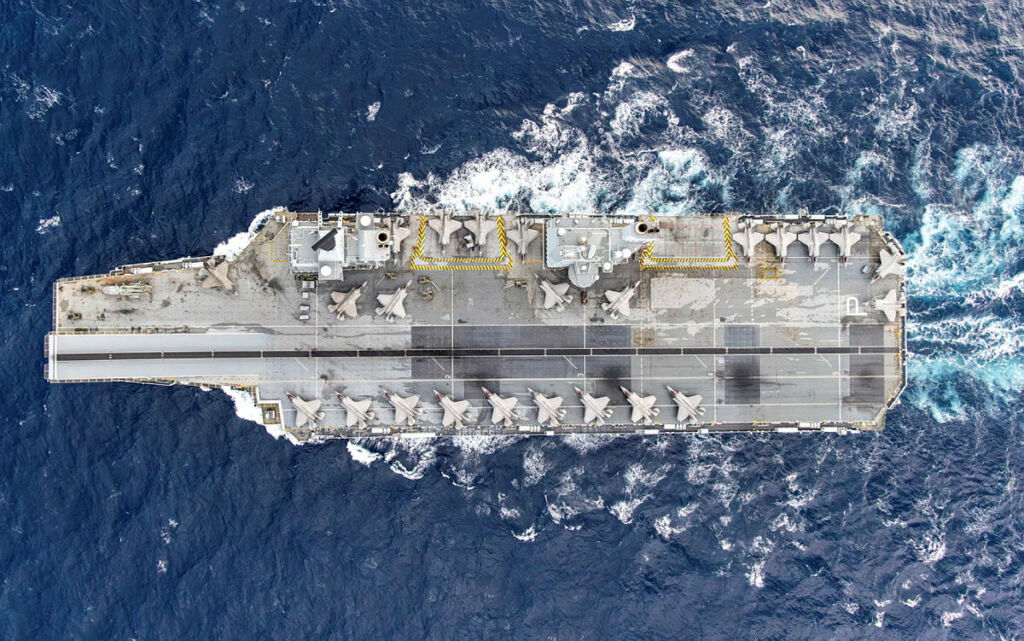
Image 2. The British aircraft carrier HMS Prince of Wales was deployed this April to the North Atlantic after returning from operations in the Indo-Pacific.
In response, the United Kingdom is adopting a combat-focused posture that prioritizes readiness, adaptability, and integration among manned, unmanned, and autonomous systems. This hybrid navy concept is supported by increased investment in both real and simulated training environments, as well as a cultural shift towards decentralized decision-making and empowering leadership at all levels. Additionally, acquisition processes are being reformed to reduce decision timelines to approximately six months, aligning with the speed of technological change and operational demands.
In this context, the reorientation towards the North Atlantic and the High North can be interpreted both as a strategic necessity in the face of Russia and as an implicit admission of structural limits. Concentrating resources in a priority theater increases effectiveness in that space but also exposes the difficulty of maintaining global power status with a naval force facing restrictions in scale, availability, and simultaneous projection.
- Strategic Reorientation to the North Atlantic and the High North
The Royal Navy is reorienting its operational priorities towards the North Atlantic and the High North. This reflects the persistent and evolving threat posed by Russia, particularly in the underwater domain. For Jenkins, Russian submarine activity remains a central concern, and sustained investment in quieter and more advanced platforms suggests a long-term strategic pattern aimed at contesting NATO’s maritime lines of communication. The question is what will happen in territories like the Falklands that require not only symbolic presence but credible defense, surveillance, and rapid reinforcement capabilities. The reduction in the number of available escorts and limitations in submarine availability raise questions about the United Kingdom’s capacity (see Table 1) to respond simultaneously to contingencies in multiple theaters, especially in the face of escalated or coordinated crisis scenarios.
Table 1. Major Operational Commitments of the Royal Navy.
| Commitment | Description |
| British Overseas Territories | The United Kingdom is responsible for the defense and security of its fourteen Overseas Territories, twelve of which are islands. Some of them also serve as strategic locations for military action and the establishment of bases. |
| Nuclear Deterrence | The Royal Navy has exclusive responsibility for providing the United Kingdom’s strategic nuclear deterrent. |
| Contribution to NATO | Ships regularly participate in maritime missions and joint training exercises within the NATO framework. |
| Middle East Region | Historically, mine countermeasure vessels have been deployed in the Persian Gulf to ensure the safe flow of oil and international trade. More recently, warships have supported freedom of navigation in the Red Sea and the Gulf of Aden. |
Source: UK Parliament (2025). Royal Navy: Briefing Paper, p. 16.
Recent reports indicate a significant increase in Russian naval activity in the North Atlantic and the High North and around UK waters. The British Ministry of Defence has assessed that this activity has increased by approximately 30% in the last two years, reinforcing concerns about sustained pressure on NATO’s northern flank. Operational evidence includes the repeated tracking of Russian ships and submarines in areas of UK interest and coordinated surveillance efforts. This trend underscores the need for anti-submarine warfare capabilities and integrated deterrence among NATO allies in the Arctic and the Atlantic, with more joint patrols to respond to Russian submarine deployments.
The UK’s response would then focus on developing a hybrid fleet with enhanced capabilities in autonomous systems, sensor networks, and missile defense. Its deterrence policy emphasizes not only resilience but also the capacity for decisive response to any aggression. To this end, short-term capability developments include the planned introduction of unmanned escort vessels and the expanded use of autonomous systems in cooperation frameworks with Norway, including concepts for motherships to support unmanned underwater warfare systems and mine countermeasures. Concurrently, aircraft carrier strike groups will integrate unmanned systems to enhance protection, reconnaissance, and strike capabilities, in line with the Royal Navy’s broader experimentation with hybrid forces.
- Force Transformation and Capability Development
The Royal Navy is actively implementing its transformation agenda through experimentation, acquisition reform, and integration with allies. Jenkins revealed that in March, war exercises were conducted that incorporated elements of hybrid force, combining manned platforms with autonomous systems in realistic conflict scenarios. These exercises aim to validate doctrine, interoperability, and command structures in a future operational environment.
However, this transformation critically depends on an industrial base facing limitations in construction times, shipyard capacity, and pressure on supply chains.
Criticism of the current state of the Royal Navy, however, focuses on the sustained reduction in its size and the gap between strategic ambition and actual capability. Various analysts point out that the British fleet has been reduced to just over 60 vessels currently, with barely a dozen large combat ships available (see Table 2). This contraction is not only quantitative but also operational: recent reports indicate that only a fraction of destroyers and frigates are deployed at sea at any given time, while the rest remain in maintenance, training, or are short-staffed. For critics, this raises questions about the United Kingdom’s ability to sustain global operations or even adequately protect its own maritime interests without relying on allies, highlighting a loss of critical naval mass.
Table 2. Surface Ships in Service of the Royal Navy and the Royal Fleet Auxiliary (April 2025).
| Category | Capabilities / Class |
| Aircraft Carriers | 2 x Queen Elizabeth class |
| Destroyers | 6 x Type 45 (Daring) class |
| Frigates | 8 x Type 23 (Duke) class |
| Mine Countermeasure Vessels | 7 x Sandown and Hunt classes |
| Offshore Patrol Vessels (OPV) | 8 x River class (3 batch 1, 5 batch 2) |
| Inshore Patrol Vessels | 18 x Archer (16) and Cutlass (2) |
| Research and Ice Vessels | 2 x research vessels; 1 x polar patrol vessel |
| Amphibious Assault Ships (retired) | 0 – Albion class retired in March 2025 |
Royal Fleet Auxiliary (RFA)
| Category | Capabilities / Class |
| Tankers | 4 x Tide class |
| Logistics Support | 1 x Fort class (RFA Fort Victoria) |
| Landing Ships | 3 x Bay class |
| Hospital Ship | 1 x RFA Argus |
| Ocean Surveillance | 1 x RFA Proteus |
| Mine Warfare Capability | 1 |
Source: UK Parliament (2025). Royal Navy: Briefing Paper, p. 12.
These structural limitations are compounded by persistent issues of availability, maintenance, and funding that, according to critics and parliamentary committees, are eroding the credibility of the force. Submarine availability has been described as “critically low” in recent inquiries, while maintenance delays and industrial shortfalls have further reduced operational capacity. Concurrently, the withdrawal of ships without immediate replacements and delays in construction programs have fueled the perception of a navy in permanent transition but with real capacity gaps. The result is a force that maintains symbols of power, such as aircraft carriers, but lacks the sufficient number of escorts, crews, and logistical support to fully employ them, turning part of its theoretical power into limited capability in practice.
Additionally, there is a persistent personnel challenge, including difficulties in recruitment, retention, and availability of qualified crews, which directly impacts the operability of existing platforms.
- Commitment to Unmanned Technologies
The introduction of unmanned vessels and autonomous escort systems reflects a shift towards scalable and rapid deployment capabilities, enabled by more agile acquisition processes. This approach aligns with broader defense innovation initiatives, including the integration of surveillance networks based on artificial intelligence such as the Atlantic Bastion, designed to detect and counter Russian submarine activity through a combination of manned and unmanned means. Autonomous mine countermeasure programs are also being expanded, reflecting the ongoing importance of mine warfare and the advantages of reducing risk to personnel.
However, questions remain about the extent to which these systems can replace the critical mass of traditional platforms, especially in high-intensity scenarios where resilience and persistence remain decisive.
For Jenkins, the United Kingdom will have an essential role within the Joint Expeditionary Force (JEF), a multinational framework led by the United Kingdom that brings together allies from Northern Europe, with high readiness and rapid deployment capability in the Baltic and the North Atlantic. The JEF operates in parallel with NATO, offering greater flexibility for regional contingencies while remaining aligned with the Alliance’s deterrence objectives.
Industrial and Capability Partnerships are also fundamental. The Type 26 frigate program is being exported to Norway and Australia, forming the basis for greater interoperability and shared operational concepts among allied navies. These agreements allow for greater crew integration, common training standards, and more effective collective deterrence. The recapitalization of the fleet remains a priority, with multiple construction and modernization programs underway. Among them, the Type 26 and Type 31 frigates, as well as the Dreadnought-class ballistic submarines, are all essential, according to Jenkins, for maintaining credible naval power in the short term.
- Strategic Priority: Russia
The strategic environment of the United Kingdom is increasingly defined by its direct exposure to Russian capabilities. Advances in long-range strike systems demonstrated in Ukraine indicate that these can be deployed at distances that place the United Kingdom within their reach from multiple vectors in Russian territories.
Geographically, the North Atlantic and the High North create a direct maritime interface between the United Kingdom and Russia. This eliminates the buffer that previously provided continental Europe and reinforces the need for advanced presence, early warning, and integrated defense planning. Recent operations underscore this proximity, including efforts by the United Kingdom and its allies to track and deter Russian submarines suspected of studying critical underwater infrastructure in the North Atlantic and the North Sea. These incidents highlight the vulnerability of cables and pipelines, as well as the strategic importance of underwater domain security.
In this context, other European maritime powers such as France maintain comparable expeditionary capabilities, underscoring the need for the United Kingdom to sustain its relevance not only in absolute terms but also relatively within Europe.
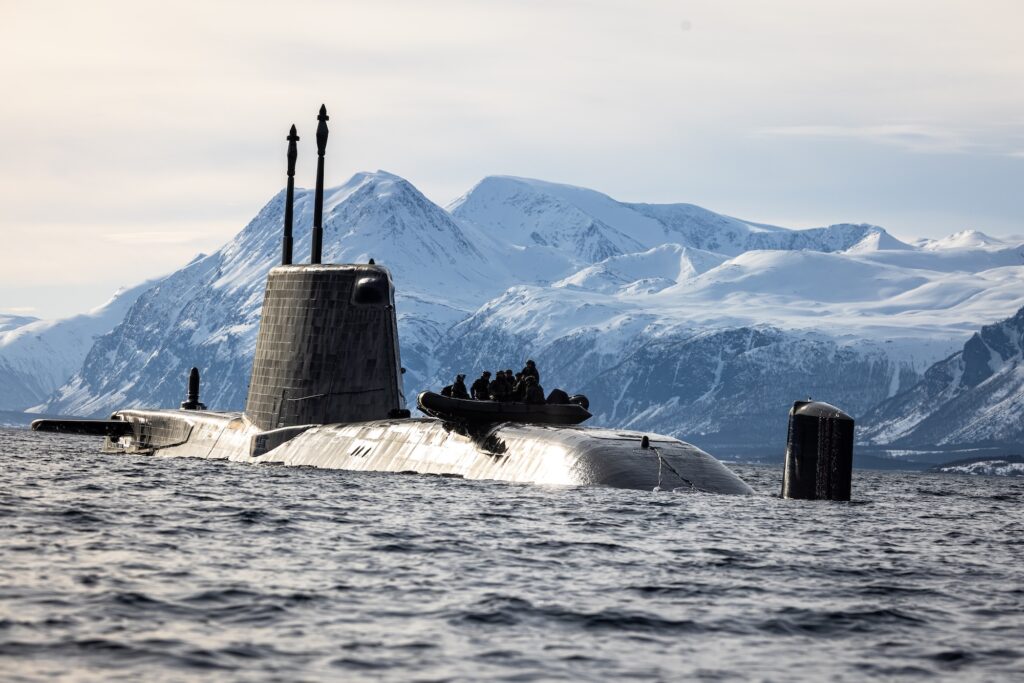
Image 3. The Royal Navy participates annually in the Cold Response exercise in the Arctic Circle, bringing together over 30,000 troops from 14 countries.
The United Kingdom is responding by strengthening its participation in key defense and security alliances. The Global Combat Air Programme (GCAP) is a trilateral initiative between the United Kingdom, Italy, and Japan to develop a next-generation combat aircraft that integrates advanced sensors and cooperation with unmanned systems. AUKUS, on the other hand, is a strategic partnership between Australia, the United Kingdom, and the United States focused on advanced capabilities, including nuclear-powered submarines and emerging technologies. These initiatives complement strong bilateral military relations with the United States, which, according to Jenkins, remain a fundamental pillar of the United Kingdom’s defense policy and operational integration.
- Implications for International Partners
The United Kingdom’s strategic reorientation towards the North Atlantic and the High North generates differentiated implications for its international partners, both in terms of burden-sharing and operational expectations.
In Europe, this shift reinforces the centrality of NATO’s northern flank and gives greater relevance to frameworks such as the JEF. However, it also implies that other European allies, particularly France, may assume a more prominent role in maritime projection towards the Mediterranean, Africa, and the Indo-Pacific, consolidating a functional division of responsibilities within the continent.
In the Asia-Pacific, the reduced availability of British naval assets for prolonged deployments could strain expectations generated by initiatives such as the strategic tilt towards the region. Although programs like AUKUS maintain political commitment, the United Kingdom’s capacity for sustained presence may be limited in the face of more immediate priorities in Europe.
For the United States, the British reorientation can be interpreted as complementary, strengthening security in the North Atlantic and allowing Washington to concentrate more resources in the Indo-Pacific. However, it also reinforces the United Kingdom’s structural dependence on U.S. capabilities, particularly in areas such as intelligence, surveillance, and anti-submarine warfare.
In the Middle East, a lower strategic priority could translate into a more intermittent naval presence, affecting maritime security operations in critical points such as the Strait of Hormuz or the Red Sea. This may require a greater assumption of responsibilities by regional partners or other allied powers.
In Latin America, especially in territories like the Falklands, the change in focus raises questions about the response capacity to regional contingencies. Although British deterrence remains significant, the lower density of naval presence could be perceived as an adjustment in London’s strategic priorities, with possible effects on the regional perception of British commitment.
In this context, Brazil emerges as a relevant partner in the British strategy, as reflected in the 2025 National Security Strategy. As the leading naval power in South America, Brazil has ambitions for maritime projection in the South Atlantic, including the development of submarines, one of which is nuclear-powered in the long term, and an increasing focus on the security of maritime resources. For the United Kingdom, a closer relationship with Brazil can serve both to stabilize the South Atlantic and to complement its reduced direct presence, although it also implies recognizing Brazil as an autonomous actor with its own interests in regional maritime governance.
For its part, Chile is also identified as a key partner in the 2025 National Defence Strategy (NDS), particularly due to its institutional stability, military professionalism, and geographical position in the South Pacific and access to Antarctica. The Chilean Navy maintains relevant capabilities in maritime control, combined operations, and international cooperation, making it a natural partner for exercises, interoperability, and coordinated presence. For the United Kingdom, strengthening ties with Chile allows for sustaining indirect influence in the Southern Cone and the Pacific, partially compensating for the limitations of permanent deployment in the region.
Together, these implications reflect that the United Kingdom’s strategic shift not only redefines its naval posture but also reconfigures the balance of responsibilities and expectations among its allies globally.
8. Conclusion
The transformation of the Royal Navy reflects a shift from a platform-centered approach to a capability-centered one, driven by technology, speed, and integration. The United Kingdom is repositioning itself to deter and, if necessary, defeat high-intensity threats in the North Atlantic and the High North beyond through a hybrid and networked force. Sustained investment, cohesion among allies, and rapid adaptability will determine whether this transformation achieves a credible and lasting maritime advantage.
In this framework, a potential gap persists between strategic ambition and available means, where prioritizing the North Atlantic implies, de facto, a reduction in the capacity for sustained presence in other theaters such as the Indo-Pacific or the Gulf.
Ultimately, the evolution of the Royal Navy reflects an unresolved tension between its historical identity as a global force and the material constraints of its current configuration. The reorientation towards the North Atlantic responds to a clear strategic logic in the face of the Russian challenge, but it also evidences a prioritization that could limit its ability to act simultaneously in other areas of interest. The success of the transformation driven by Jenkins will not depend solely on the adoption of new technologies or operational concepts but on whether the United Kingdom can maintain a credible balance between its global responsibilities and the naval resources effectively available.
The current transformation takes up Fisher’s legacy: adapt quickly or risk strategic irrelevance.
Dr. Carlos Solar is a Senior Research Fellow at the Royal United Services Institute (RUSI) in London.
by Carlos Solar
Senior Research Fellow en RUSI