To Conquer or to Die: The Role and Ethos of the Armed Forces
This article was translated automatically and may contain differences from the original. For reference, read the original.
The Government proposed creating a new constitutional state of emergency to employ the Armed Forces in public security tasks. This discussion comes to a country that has had the Southern Macrozone under exception for four years, without a strategy for exit; with the rules for the use of force still pending in Congress; and with a defense budget that compromises our readiness. Before deciding what we will ask of our Armed Forces, it is worth remembering why we have them.
We come together in society to establish the order that allows us to develop our free will and achieve the common good, which each individual obtains in society. It is not defined by a master plan of social engineering, which ends in totalitarian hells, nor is it merely the sum of individual goods, which ends without cohesion. It is a delicate balance that we must safeguard with wisdom.
For this, we delegate to the State the use of public force, and the formation of a military force prepared to deter anyone who seeks to undermine our sovereignty and interests. It is the only total monopoly we grant. Failing to do so would be a return to prehistory or the Wild West.
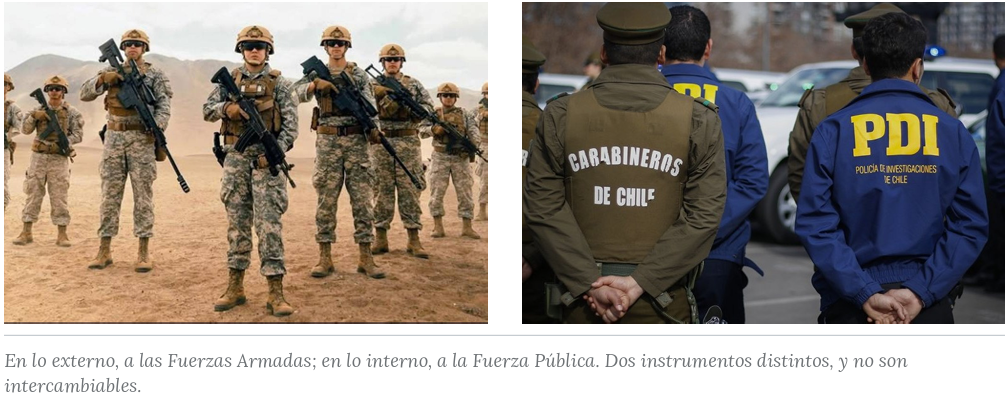
The Public Force must be equipped with everything necessary to ensure the rule of order. Intertwined with civil society, we demand rationality and proportionality. However, no police officer can be undermined, let alone attacked. If that occurs, they may use lethal force, and the law must protect them. When the situation escalates, proportionality ceases to be valid.
Today, this is not the case, and this is a problem that predates any military deployment.
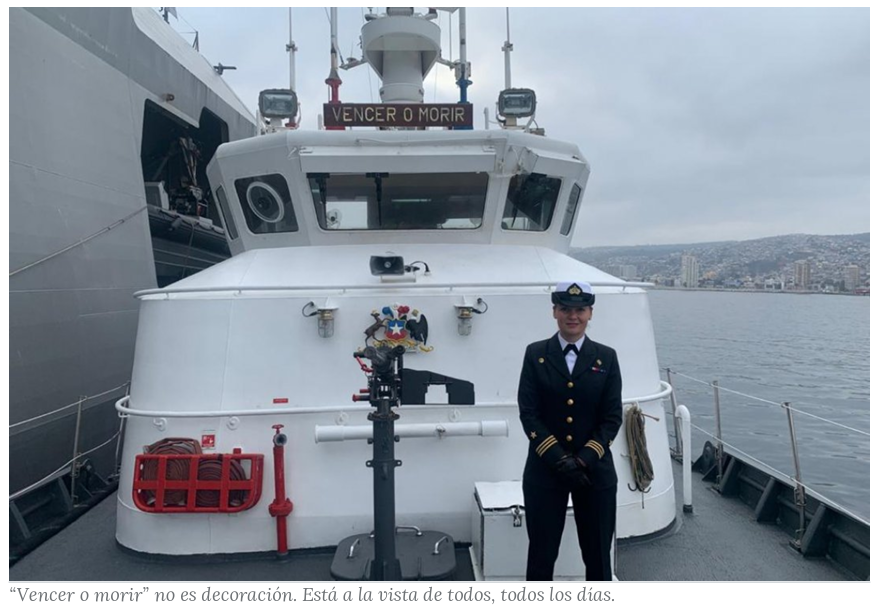
The Armed Forces are something else. Diplomacy prevents interstate conflicts. When it fails, the Nation must resort to force. That force is ineffective unless it is lethal, superior, and backed by unwavering political will. Hence the oath to give one’s life, “dulce et decorum est pro Patria mori.” This is why they are non-deliberative and obedient to the power chosen by popular sovereignty.
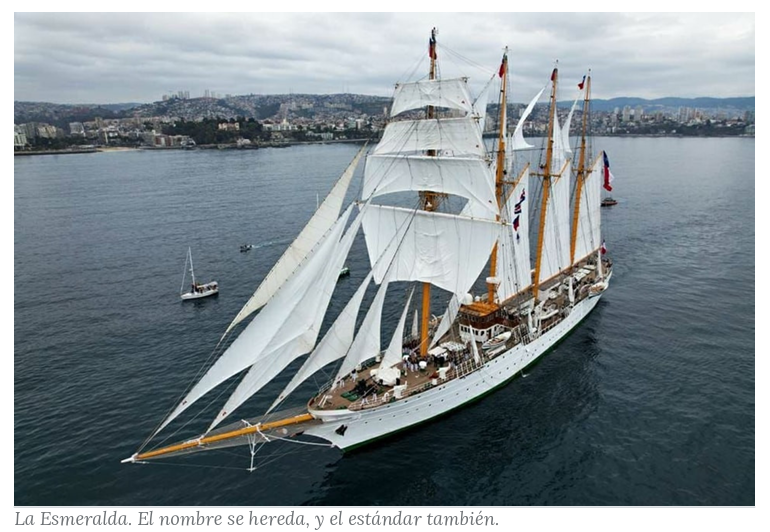
Their chain of command requires that the President and the Minister of Defense be the political leaders of the force. However, this does not turn the military into “public officials” at the service of the current government, nor does it place them at its disposal to resolve issues from other instances.
Obeying does not turn them into officials at the service of the current government.
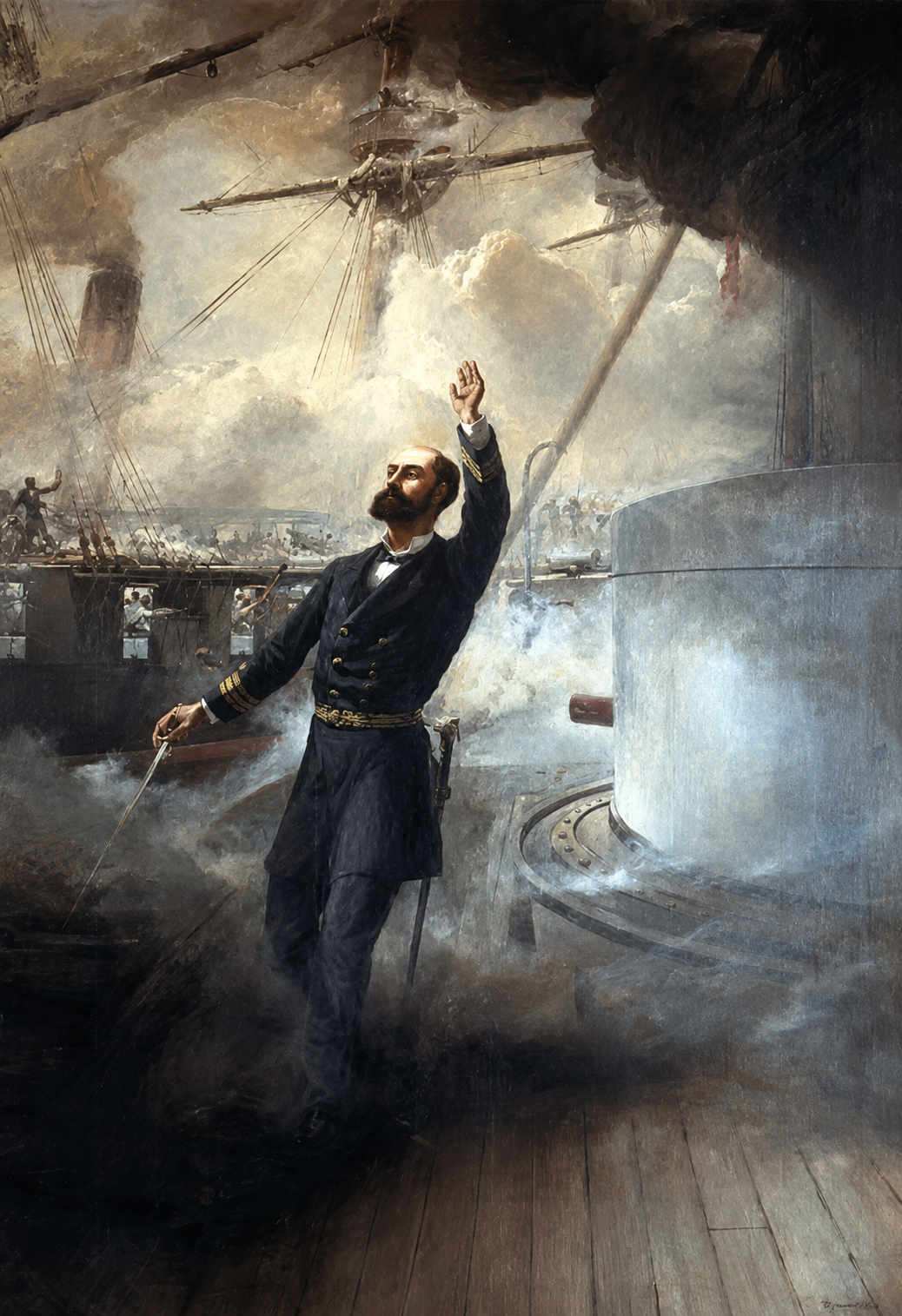
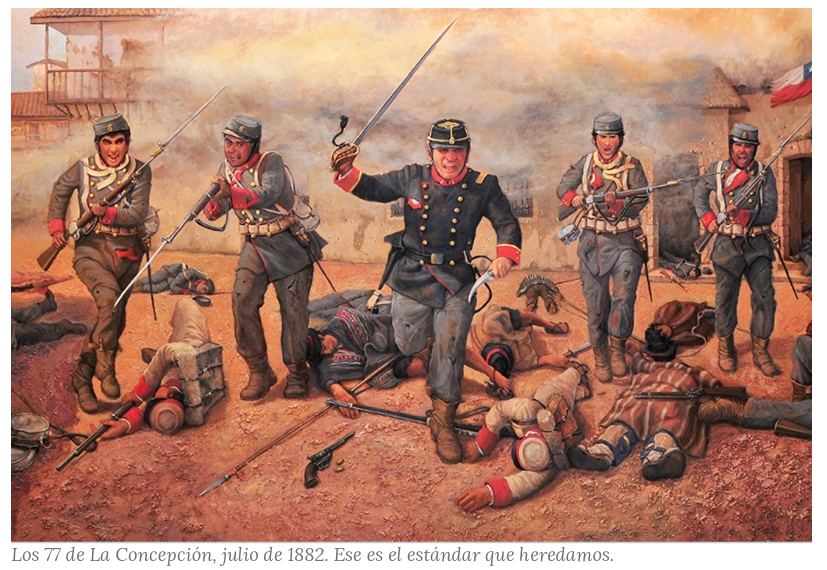
We honor their commitment from the unknown soldier and our Heroes of Concepción and Prat to the gallant young men of the Army’s Glories. This standard explains why Chile has professional and respected military institutions. If we do not safeguard it, that legacy may be lost.
It is a complete absurdity to ask a citizen sworn to give their life to annihilate the enemy, trained in military sciences and equipped with the most lethal instruments, to submit to the rules and command of the Public Force to resolve internal problems that it has been unable to address.
It is always the political leader’s responsibility to declare an internal threat as a military objective. They have legal tools, but these should be minimal, so that not every security problem appears military. In such cases, they cannot be constrained by complex rules, nor held responsible for civilian casualties. The President and their minister must assume full responsibility.
This is very different from what is currently proposed, which is not to declare a military objective. It is a state of emergency of up to 240 days without Congressional review, with a general officer in command and the Armed Forces performing police duties. It is not employing military force; it is placing the military in the work of the Public Force and making it customary.
In the meantime, while we add missions and subtract resources, our best men and women seek alternative destinations for their vocation of service to the Fatherland. A vocation different from that of those who are police officers, detectives, or prison guards. If we truly want them to give their lives when we ask, let us start by not exhausting their souls in what does not pertain to them.
NICOLÁS IBÁÑEZ SCOTT
Chairman of the Board, AthenaLab