Keys to the U.S. Military Intervention in Iran | February 28, 2026
This article is not yet available in English. The original Spanish version is shown instead.
- por John Griffiths Spielman
ATHENALAB DOCUMENT No. 1 | MONITORING THE EVOLUTION OF THE CONFLICT
I. BACKGROUND: WHAT WE KNOW
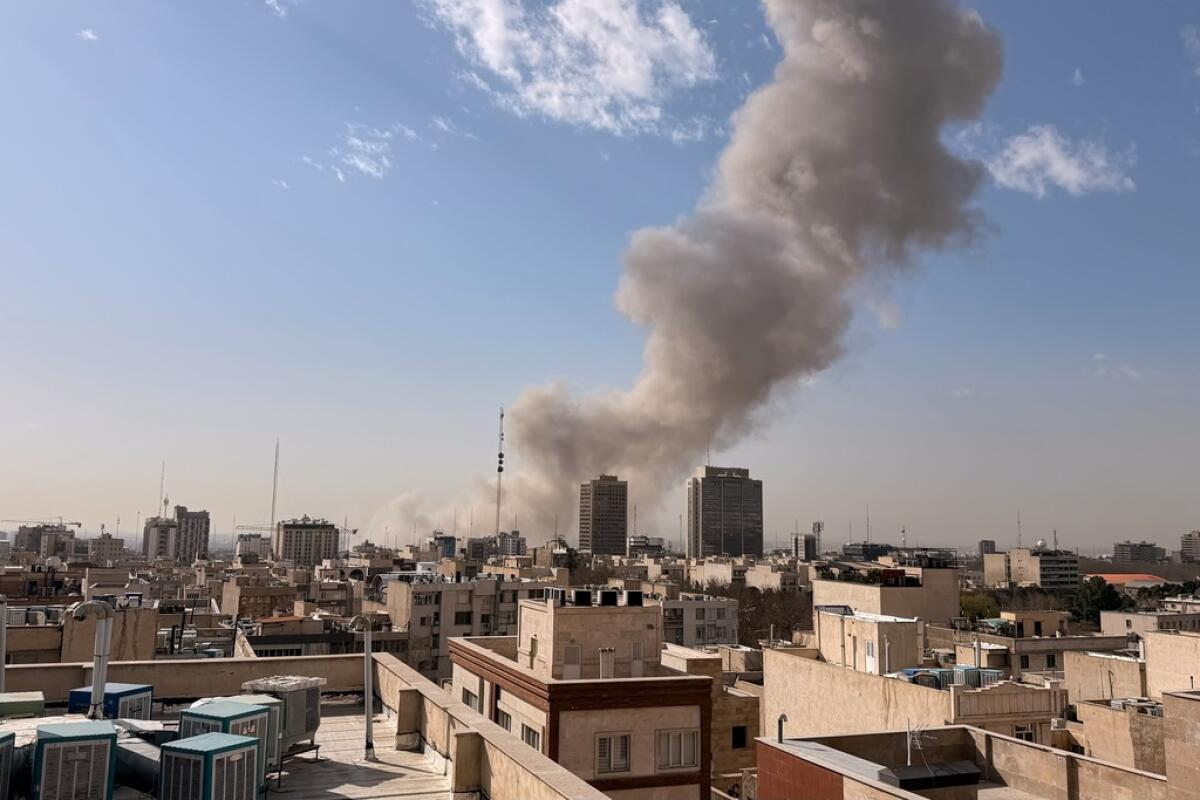
1. In the early hours of February 28, 2026, the United States — in coordination with Israel — launched a military offensive against the Iranian regime. The actions took the form of airstrikes and missile attacks on Tehran, later extending to other cities such as Isfahan, Qom, Karaj, and Kermanshah.
2. The United States stated that the offensive operation, named “Epic Fury” and “Lion’s Roar” by Israel, reflects the coordinated nature of the military action between both actors. These operations pursue, among others, the following objectives:
a. To destroy Iran’s military capabilities, which may be interpreted as an effort to initially neutralize its air defense systems — particularly strategic ones — while continuing the degradation of its nuclear capability (already previously affected) and weakening its military command structure through the neutralization of leadership.
b. To create favorable conditions for a potential regime change in Iran, under circumstances that would enable an internal uprising leading to the fall of the current authorities. This objective would simultaneously entail neutralizing the response and control capacity of internal security agencies, limiting their ability to repress potential popular mobilizations.
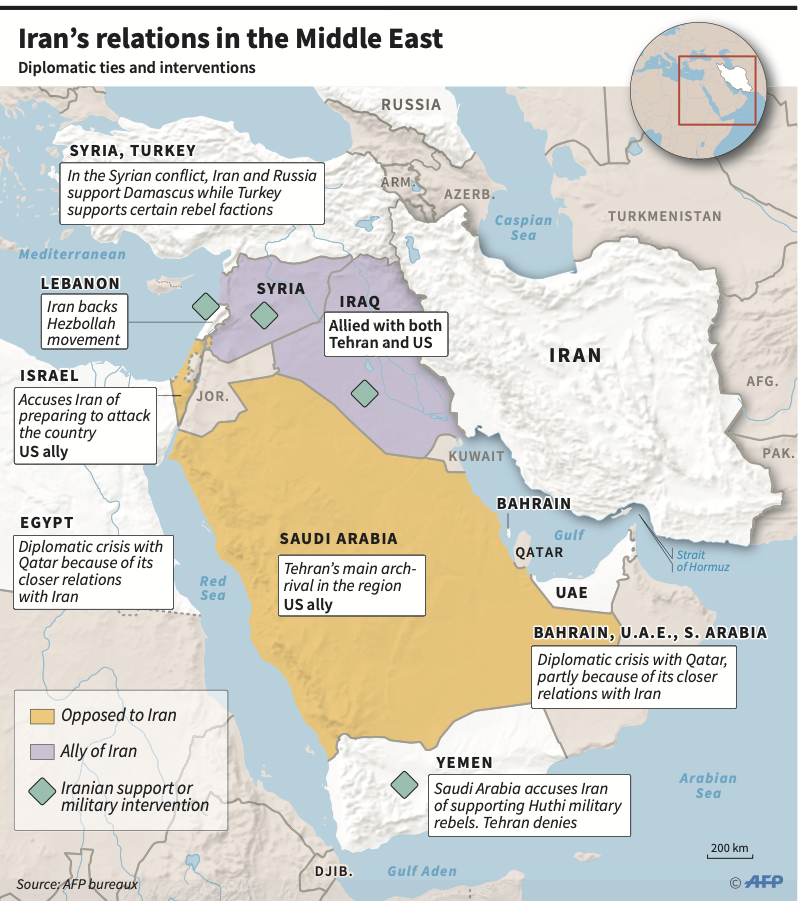
c. Iran, for its part, responded militarily by launching missiles and conducting airstrikes against targets in Israel and against U.S. military bases deployed in the Persian Gulf area, including facilities located in Bahrain, Qatar, the United Arab Emirates, and Kuwait, as well as U.S. naval units operating in that theater.
d. This attack represents a new escalation of the conflict, despite the talks held between the United States and Iran in the preceding weeks. Among the immediate consequences have been the closure of regional airspace and increased fears of a potential broader regional escalation.
II. STRATEGIC VARIABLES TO WATCH IN THE COMING HOURS
1. Resilience of the Iranian Regime
It will be essential to assess the Iranian regime’s ability to withstand the political and military effects of this offensive. Although the regime shows signs of weakening, it remains in power. Its political and military reaction in the coming days will be a key indicator for any forward-looking analysis.
2. Effectiveness of Limited Military Force as an Instrument of Political Change
It will be relevant to evaluate the effectiveness of limited military operations as a mechanism for inducing regime change, particularly in the absence of favorable internal conditions capable of altering the domestic balance of power. In this context, the decisive factor lies with the Iranian population as the central actor in any potential political transformation.
From this perspective, the use of military force would aim to weaken the regime’s power structures, creating conditions that enable internal actors to materialize such change. Strategically, this aligns with the classical logic of employing military force in service of a higher political objective.
3. Reaction of Key Regional Actors
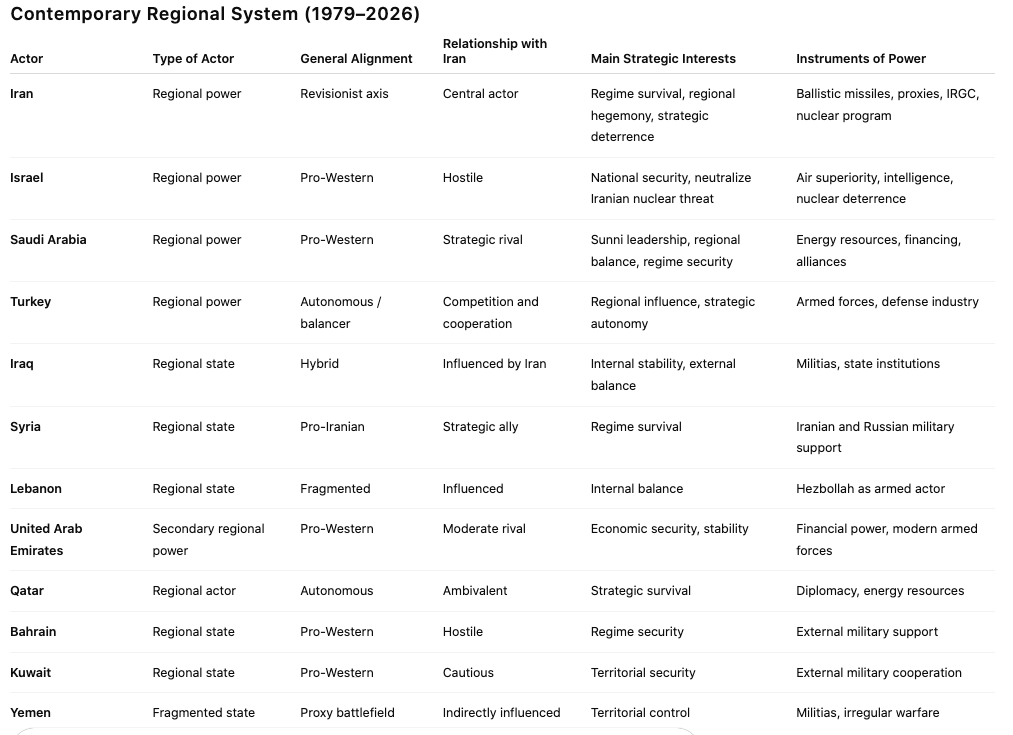
It will also be important to assess how major regional actors position themselves in response to this crisis. In particular, it will be necessary to determine whether a potential weakening or collapse of the Iranian regime is perceived as an opportunity to reconfigure the regional geopolitical balance.
These reactions will also help gauge the risk of regional escalation, especially if certain actors attempt to leverage the situation to advance their own strategic interests.
4. Position of International Organizations
The reaction of key international organizations — particularly the United Nations — will be a relevant factor in assessing the international legitimacy of the operation and the political and diplomatic costs associated with the use of force.
The level of involvement and the nature of these responses will also help measure the effective capacity of these organizations to influence the dynamics of the conflict.
5. Coherence Between Declared Objectives and Operational Developments
Finally, analysis must focus on evaluating the coherence between declared political and military intentions and the actual development of operations, considering, among others, the following factors:
a. The magnitude, scale, and duration of military operations, to determine whether this is a limited action or the beginning of a prolonged campaign.
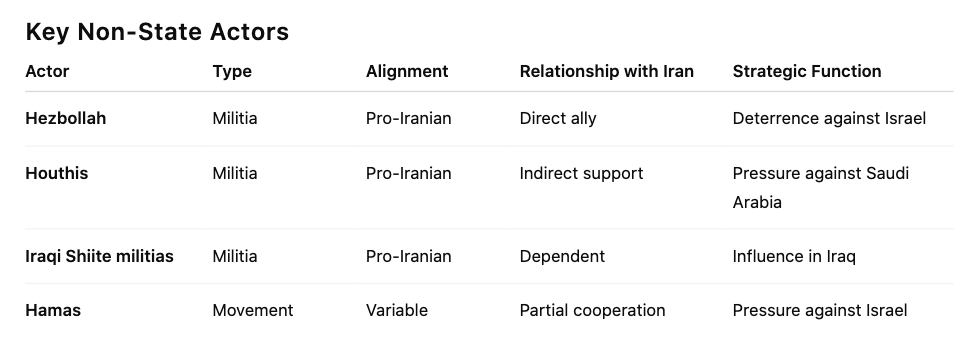
b. Iran’s real capacity for response, both externally and internally, including its potential ability to activate or coordinate actions with aligned non-state actors (proxies) in neighboring countries, which could contribute to the expansion of the conflict.
c. The domestic economic impact of the offensive and its effects on the Iranian population, particularly in terms of its potential to generate favorable conditions for an internal uprising.
d. The reaction of relevant international actors such as China, Russia, India, and Turkey, whose positions could significantly influence the evolution of the conflict.
III. FINAL CONSIDERATIONS
AthenaLab will continue to monitor the development of this conflict to provide timely information and contribute to the analysis of the main strategic factors at play, as well as their implications for regional stability and the international system.
John Griffiths Spielman
February 28, 2026