National Defense Priorities
This article was translated automatically and may contain differences from the original. For reference, read the original.
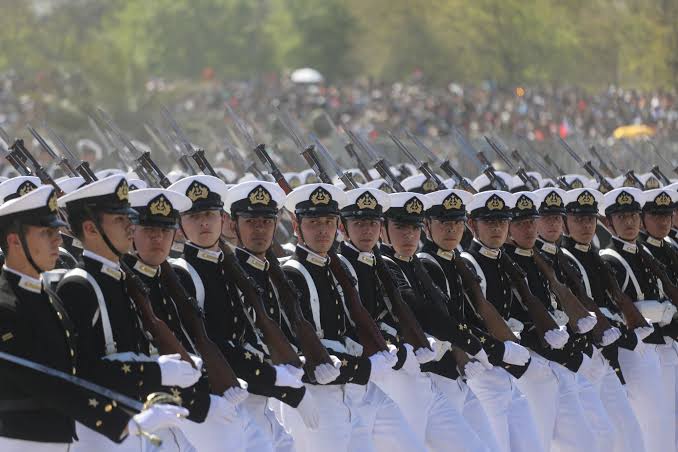
Recently, interviews with the Minister of Defense have been published, revealing the issues that will be priorities for this portfolio in 2018. I understand the importance of addressing the indicated issues, but regardless of their significance, it seems that they are not the central topics of a defense agenda, but rather accessory or complementary. It is extremely important to have internal control and an auditing model that ensures integrity and transparency, as without them, the Armed Forces lose validation in the eyes of their stakeholders, the government, and the Chilean people. More importantly, it is essential to know whether President Piñera’s government shares the mission areas defined for defense institutions in the “Defense Book 2017,” published and enacted on March 9, 2018, with little publicity, as well as whether it agrees with the role they play in supporting the State’s foreign policy. In this regard, it was recently announced that Chile will reduce its presence in the United Nations mission in the Central African Republic – Minusca. As a participant in the mission established by the United Nations in Cambodia approximately 25 years ago to protect the peace achieved in the 1991 Paris Agreement, to which personnel from the Navy contributed, I believe it is of utmost importance for Chile to participate in initiatives that protect global peace and stability, whether on land or at sea. Many of the events that disrupt global tranquility may not occur in South America or the South Pacific and therefore may not have an immediate impact on Chile, but if we ever need help, it is better to have provided it when we could. What do we want to be, and how committed do we want to be regarding what happens in the world? Let us start by defining the purpose and roles of the Armed Forces, and from there, we can address the issues mentioned in the defense agenda, all important, but secondary to the central ones. Defining the complementary without addressing the central may imply that the effort is a waste of time.
RICHARD KOUYOUMDJIAN INGLIS
Naval Observer, member of Untac 1992 – 1993