COLUMN | Once Upon a Time in Chile
This article was translated automatically and may contain differences from the original. For reference, read the original.
- by Pilar Lizana
- Opinion
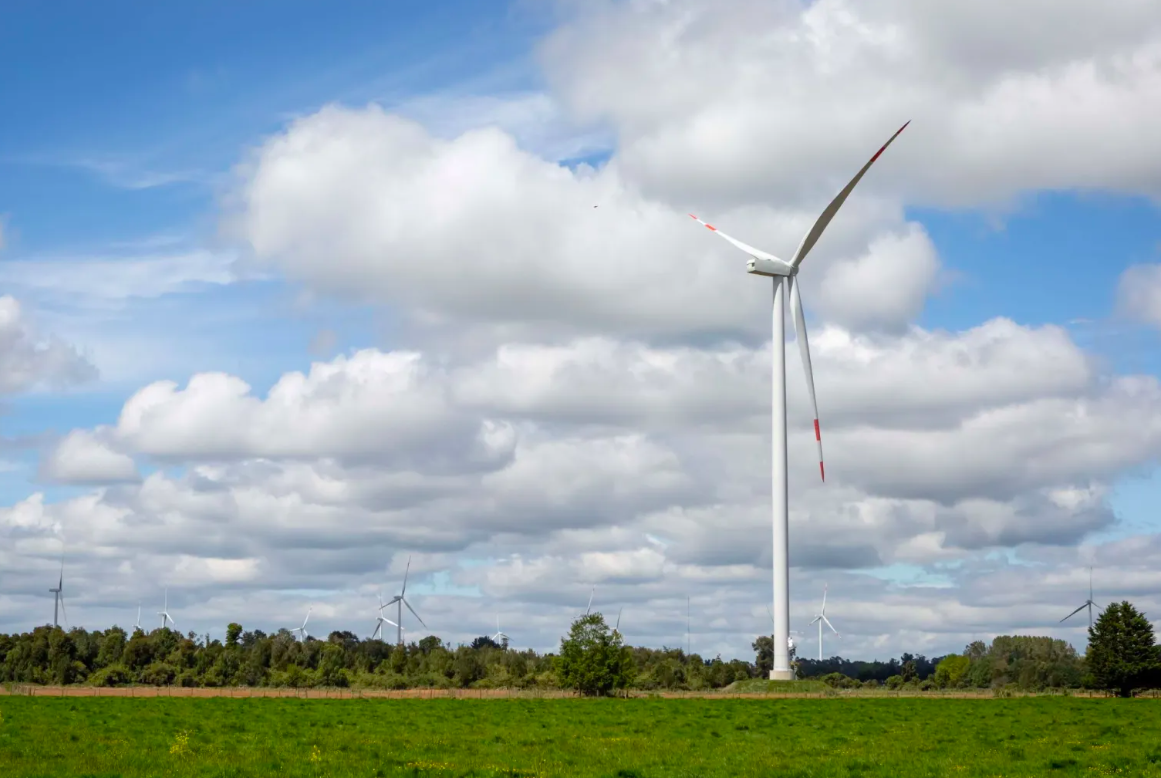
Parque eólico en Chile
The cold winds and vast spaces of the south could house critical infrastructure for technology; the immensity of the desert and its clear skies present potential for solar energy, among many other advantages.
It was a very distant country, nestled between the great heights of the Andes and the vastness of the Pacific Ocean. Once known as the English of South America, they called themselves jaguars; mining established them in global markets… First it was nitrate, today it is copper, many have pinned their hopes on lithium, and Europeans look optimistically at the potential of green hydrogen. It seems that this very distant country has only opportunities.
In some ways, this is true. The cold winds and vast spaces of the south could house critical infrastructure for technology; the immensity of the desert and its clear skies present potential for solar energy, among many other advantages. However, all of this ceases to be a ‘happy problem,’ as the Anglo-Saxons would say, when it collides with reality. Long waiting times to obtain permits and areas where the state is completely absent are enough to scare away opportunities.
Why is it that when it seems some actors understand the problem, are able to identify the gaps, and have proposals on how to improve, they do not act? If the technique, the people, and the knowledge exist, why do they not apply it? Is it possible that those responsible for making decisions have been distracted from their duties?
Those English with whom this very distant country was compared have defined organized crime as a threat to economic prosperity. The same threat now jeopardizes that strip of land between the Andes and the Pacific, distancing opportunities for growth.
Lumber investors have shifted their investments to Brazil, the constant alarms issued by the United States government cause doubt among their investors, and the dangerous proximity between Bolivia and Iran should raise more than one alert.
It is easy to criticize, to point out how poorly one or another is doing; the difficult part is to join the solution alongside those who find themselves on the opposite side of our views. After two failed attempts to change the Constitution, the first of which practically undermined national identity and threatened unity, the urgencies are evident: Security and growth and, in that order, the absence of the first undermines the possibilities of the second.
There is just over a year left in the government; we are entering an electoral spiral where winning the election distracts many from their duties. This distraction is valid since without victory there is no political project, but merely crossing the finish line first is not enough. After that, there come four years of government that must focus on solutions and where all democratic forces are required.
To begin with, we must remember those English who inspired this very distant country and be clear in defining the risks and threats. And, if security is the primary urgency, we must be clear about the impact of its absence and even clearer about the responses and the responsibility for them.
In this, technique is important, but even more so is a political project that unites efforts and does not trip them up. Otherwise, those English of South America will be nothing more than a distant memory between the Andes and the Pacific.


