COLUMN | Prisons: the New Corporate Building
This article was translated automatically and may contain differences from the original. For reference, read the original.
- por Pilar Lizana
- Columnas
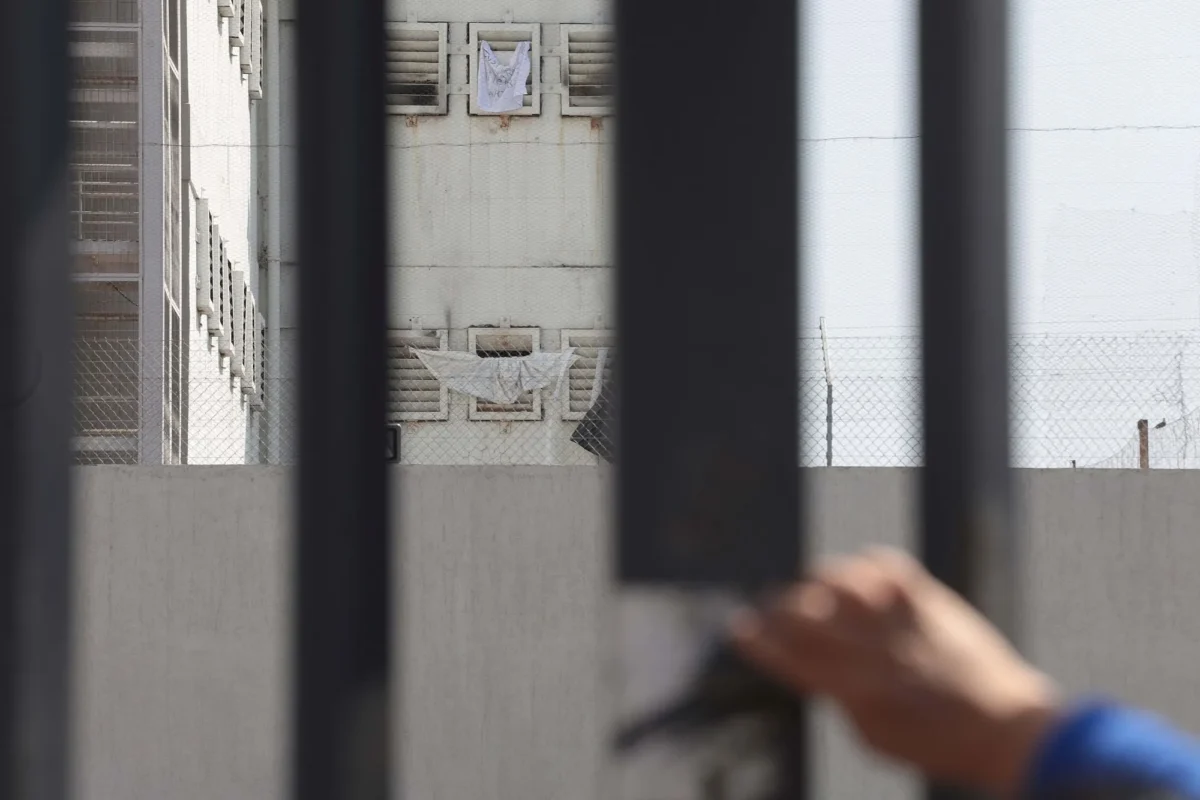
Space is needed, proper treatment of inmates is required, and courage is necessary. Otherwise, Chilean prisons will become the new corporate buildings of transnational crime.
Mass incarceration is not necessarily the solution to the problem of organized crime. This may be the most important lesson learned from reviewing the Brazilian case. This type of criminality in South America originates within the penitentiary systems, from which they control routes, territories, and illicit economies. In this context, poor prison policy could be the tool that foreign groups need to expand their operations in Chile.
The First Command of the Capital (PCC) emerged in the late 20th century in the prison in Sao Paulo. There, various criminal groups found a meeting point that allowed the creation of the transnational organization that controls the Southern Cone.
The greatest risk Chile faces today is precisely the lack of control over its prisons. Riots, more than 10 unions of Gendarmería pressuring with strikes, and a decapitated body illustrate the crisis in our penitentiary facilities, which are operating at over 130% capacity on a 24-hour basis, exceeding 400% in some specific centers.
Mass incarceration in Brazil has transformed prisons into the corporate buildings of cartels. Without reintegration and rehabilitation policies, each new inmate becomes labor for the criminal group. Divided by organizations, the prison has become the place where crime is born, grows, and develops.
In a globalized world, controlling international routes for illicit products is essential for illegal enterprises like the PCC to continue making money. Chile’s geographical position kept it distant; however, its connection to the Pacific becomes a significant attraction for those wanting to reach Asia.
The way a cartel like the PCC controls territory and establishes itself in countries is through prisons. There are already records of individuals linked to the criminal organization in Portugal, France, and Spain. This could very well be the case in Chile.
How do they extend their networks? First, by generating true joint ventures with local criminal groups until they are arrested, allowing them to control the territory from within the penitentiary. Thus, if the risk for Chile is that the PCC extends its reach to these latitudes, the breeding ground for this is the prison. One that the state does not control and where corruption is part of the problem.
Therefore, Chile needs to incarcerate, but to do so effectively. This means identifying those who have no chance of rehabilitation and those who do; intervening with the younger individuals to prevent them from becoming soldiers; isolating dangerous leaders; and working on reintegration with a single objective: to stop supplying labor to national and transnational criminal cartels.
In this sense, space is needed, proper treatment of inmates is required, and courage is necessary. Otherwise, Chilean prisons will become the new corporate buildings of transnational crime.