COLUMN | Naval Decision
This article was translated automatically and may contain differences from the original. For reference, read the original.
- por Richard Kouyoumdjian
- Columnas
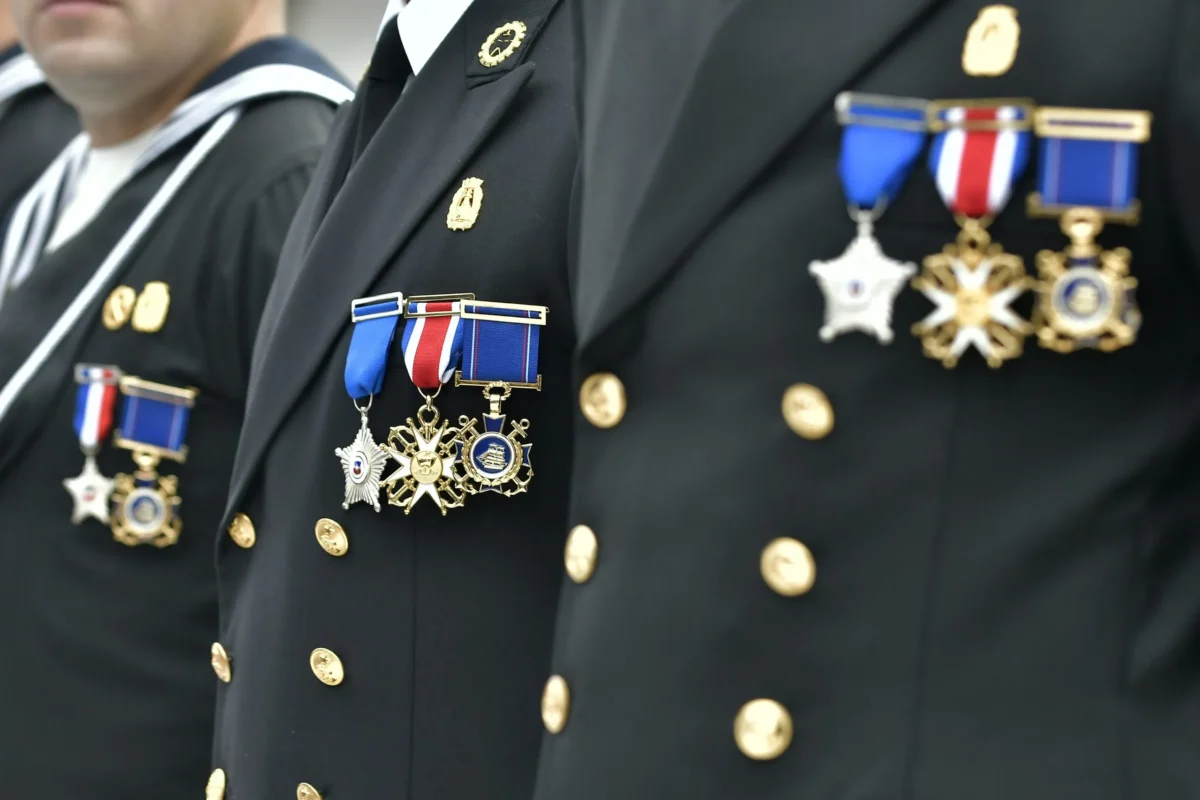
The future commander in chief must be able to deal with a government that will have only eight months left, the political and electoral contingency, public insecurity, and the populist proposals of some candidates.
On Saturday, April 12 Emol published an article titled “Naval Decision That Boric Must Make: Candidates for Future Commander in Chief of the Navy,” regarding the admirals who could replace the current Commander in Chief of the Navy, Admiral Juan Andrés de la Maza Larraín, who must hand over the institutional command to the appointee of the President of the Republic on Wednesday, June 18, 2025.
The article includes observations from third parties about some of the vice admirals who make up the shortlist from which President Boric must choose. The comments, which in several cases could be deemed superfluous, incorrect, and inappropriate, and were made anonymously, were not well received in the naval community. This is an environment that is not accustomed to such things, but more importantly, these comments could eventually affect the chances of those involved in becoming commander in chief.
The commanders in chief of the Armed Forces and Carabineros of Chile are appointed by the President of the Republic from the top five seniorities in the general officer rank, which in the case of the Navy coincidentally are vice admirals, with at least 35 years of service as naval officers, who have met the requirements to be where they are, and possess the professional and personal qualifications to be an admiral of the Republic.
The process to become one of the top five seniorities in one of the National Defense institutions is long and exhausting; it is something that does not occur in other professional careers, which are not subject to annual evaluations from the moment they enter their respective training schools, in this case, the Naval School Arturo Prat.
One must not only have a vocation to become an admiral, but also meet the command requirements and others specific to the naval career, as well as the undergraduate and graduate studies required of naval officers. Achieving the rank of admiral is not easy, with the most complex step being obtaining the endorsement to promote to rear admiral from the Naval Council, a body composed of all active-duty admirals, which acts as a selection committee for these purposes.
The high naval command and therefore the promotions to the ranks of rear admiral and vice admiral require the approval of the President of the Republic. The proposal from the high naval command is made by the Commander in Chief of the Navy, who submits it to the Ministry of National Defense for processing and presidential approval. If there are reviews by the executive, this is where they take place.
As can be understood, the names that reach the shortlist should not be unknown to the authorities of the Ministry of Defense or the President. Evidently, if there are changes in ministers, it may be necessary to explain things a bit more and respond to any inquiries that arise.
The appointment of a commander in chief is not trivial. We are talking about the leadership of the Navy of Chile for four years, which is always relevant not only due to the current contingency but mainly because we are discussing an institution that must protect national territory, seas, and national interests, as well as the independence and sovereignty of Chile.
The Constitution allows the President to select from the shortlist the one deemed most suitable and convenient for the role of commander in chief. It is not a decision left in the hands of the Navy, and it provides the possibility to choose any of the five most senior, not necessarily the one at the top of the list, as there have been several cases where the selected individual was not the first in the ranking or the one everyone thought would be the new chief.
The 1980 Constitution limits the President’s options to the top five, thus preventing the political decapitation of the high command that occurred many years ago, which resulted in the loss of much talent and experience. All those who are always on the shortlist have the qualifications and capabilities to be commander in chief, and if they did not, they would not be part of the group from which the President must select.
I do not know how presidents decide. I can suspect that they ask and seek opinions, but in the end, the decision rests with them and no one else, and I hope they disregard what articles like the aforementioned one from Emol say, or others that may come out before the end of May, the date when the name of the officer who will assume command is usually announced a few weeks after the announcement.
While it is true that the limitation on years of service disqualifies some good admirals who are not fortunate enough to be in the right place at the right time during a change of commander in chief, the selection and promotion system for naval officers provides security and peace of mind. This, in the sense that it ensures that the five who make up the shortlist are competent, and that regardless of personal styles and characteristics, they are qualified and prepared to lead the Navy for four years. Moreover, naval officers, particularly admirals, have spent years preparing for this, in case they are called to lead the Navy of Chile, a bicentennial navy that operates under the legacies of its heroes, particularly Admiral Cochrane and Commander Prat, and which has the motto, to conquer or die.
The future commander in chief must be able to deal with a government that will have only eight months left, the political and electoral contingency, public insecurity, the populist proposals of some candidates, and the current budgetary problems, but also seek to maintain the necessary naval construction programs so that the Navy continues to be a war navy, and along with that, keep the sailors, marines, and civilians who make up the Navy of Chile motivated so that they continue to give their best in times when everyone is under great pressure, and that the institution remains one of the most prestigious in Chile, one that provides reassurance to Chileans alongside the other National Defense institutions and the police that things will never get worse, and that they will continue to be the support of the Homeland for which they have sworn to give their lives if necessary.