President Boric and the Armed Forces
This article was translated automatically and may contain differences from the original. For reference, read the original.
- por Fernanda Muñoz
- Cartas
El Mostrador, March 23, 2022
The armed forces, as non-deliberative, hierarchical, and disciplined institutions, will fulfill what the constitution and current laws dictate. This is well illustrated in the defense policy published in May 2021, which, despite criticisms from Augusto Varas, is the most comprehensive and coherent document Chile has produced in recent times regarding this matter. This is largely due to the efforts of former Undersecretary of Defense, Cristián De La Maza Riquelme, who, with the help of the three institutions, managed to produce a quality policy, and it is recommended that the head of state and the minister of the portfolio read it.
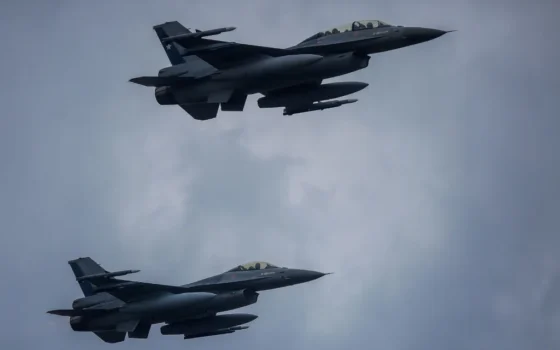
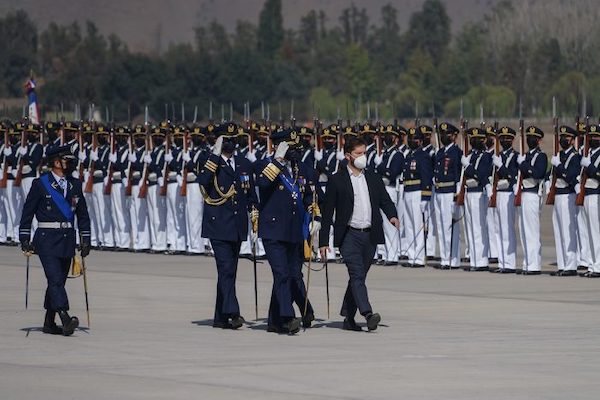
On March 21, the 92nd anniversary of the Chilean Air Force (FACH), President Boric attended what is perhaps his first military ceremony following those that took place on the day he assumed the presidency. He was accompanied by Minister Fernández, who received the honors due to Defense under the strains of Yungay, the anthem with strong patriotic content that highlights Chile’s victory in the war against the Peruvian-Bolivian Confederation.
On this occasion, Gabriel Boric appeared more martial, very interested and attentive to what was happening, and with a genuine interest in learning about the characteristics and customs of the military world, its codes, uniforms, and history. He specifically highlighted the Air Force when discussing the airlift organized in response to the 1939 Chillán earthquake, which preceded the Berlin one in 1948.
In his remarks, the president emphasized the need for both worlds, the civilian and the armed forces, to understand each other. He noted that the work they do in community assistance should serve this purpose, as should the participation of the institutions during periods of constitutional exception, whether due to disaster or emergency. Previous efforts may not have been sufficient for what the president envisions, but his Magallanes background could facilitate the upcoming process in a region that largely depends on the Army, Navy, and Air Force for its development, which is also true for Chilean Antarctica.
In any case, the armed forces, as non-deliberative, hierarchical, and disciplined institutions, will fulfill what the constitution and current laws dictate. This is well illustrated in the defense policy published in May 2021, which, despite criticisms from Augusto Varas, is the most comprehensive and coherent document Chile has produced in recent times regarding this matter. This is largely due to the efforts of former Undersecretary of Defense, Cristián De La Maza Riquelme, who, with the help of the three institutions, managed to produce a quality policy, and it is recommended that the head of state and the minister of the portfolio read it.
Except perhaps for Aylwin, who had to deal with Pinochet, who had just left La Moneda, all presidents have felt comfortable with the armed institutions. They are obedient and disciplined, following the instructions of the presidency and the person in charge of Defense. They are versatile and multifunctional, serving to meet many needs that the state must address. Except for cases of misuse of reserved funds, they enjoy high levels of approval from the civilian population. In summary, it would be unwise for them not to maintain a good relationship with these institutions, as they are relevant, reliable, and effective, something that every president, regardless of political orientation, appreciates as soon as the nature or contingency presents their first test and realizes that, except for the Carabineros, the armed institutions are the only ones capable of acting quickly and effectively.
One would expect that, as a result of the points made in the previous paragraphs, the presidency and Defense would seek to leave matters concerning the armed forces and the Constitution unchanged, just as they are in the current version. There is an old engineering saying that goes, if it isn’t broken, don’t fix it. What we have today works well, effectively, and efficiently, as it has not only guaranteed external peace for nearly 140 years but also serves many other purposes beyond protecting Chile’s sovereignty and national interest wherever it is located, including the northern borders and maintaining peace in the southern macrozone. These are tasks for which they are not designed, but they can perform due to their material and human capabilities, and moreover, they are the only ones capable of carrying out such complex tasks as preventing conflicts among Chileans in the south or preventing excessive immigration.
Richard Kouyoumdjian
Vice President AthenaLab
Source: El Mostrador