COLUMN | Military Experience, Recommendations, and Best Practices for the Coronavirus Emergency
This article was translated automatically and may contain differences from the original. For reference, read the original.
El Mostrador, Friday, March 20, 2020
For all state agents acting in this crisis, it is imperative to understand that they are serving a population that is scared and anxious. Cordiality in interactions, respect, and empathy are not only desirable soft skills but also fundamental.
In times of crisis, it is essential to understand the conceptual pillars at play and, through best practices, effectively and timely reach society.
The first thing to understand is that the general sentiment is one of fear, anxiety, and in some cases, distress. Life as we know it is behind us, and we are facing an uncertain and risky situation.
The most affected are the elderly, who not only have greater difficulty adapting to drastic changes in their daily routines but are also the most vulnerable segment of the population. Providing assurances and guarantees, especially to the most vulnerable, should be the first rule of best practices.
The visible and noticeable action of state agents is fundamental. With the broadest possible coverage, the presence, especially of the Armed Forces in uniform and with insignia, generates a sense of trust. The theoretical concept of the Carabineros quadrant plan should serve as a model to identify where vulnerable individuals or those in need of support are located.
Care in the delivery, dissemination, and management of information is an ethical duty and a moral responsibility. It is not enough to act with transparency; one must be prudent and understand that the content, form, and timing of information can generate panic, unease, and unnecessary distress in the population. Avoid orders and counter-orders, unify spokespersons under a single authority per region. Curb the compulsive need of political and social actors to appear on camera making announcements or calls that no one has requested and that have not been coordinated with anyone.
Actions like these misinform the population, frustrate efforts, and waste valuable time. In other words, we need to communicate, clarify uncertainty, and even refute fake news to effectively reduce levels of anxiety and fear. Consequently, those in charge of the state of catastrophe should assume that the center of gravity of their operations includes a communication and information component that is crucial.
Solidarity is a highly valuable human attitude. It often arises spontaneously and en masse. When this happens, in a case like the one we are facing, it can often be part of the problem rather than the solution. The greatest act of solidarity we can ask for is for people to stay in their homes, refraining from going out to avoid contagion or to slow the rate of virus spread. Logistics is a critical factor. Specialists must be given space.
Large retail companies have extensive experience in order magnitude, frequency, storage capacity, vehicular flows, etc. Defense leaders and their planning teams will find valuable contributions from these specialists. Food and medicine are critical items that must not be lacking. As long as these needs are met, the population will remain calm. Coordination between state representatives and private entities, along with social organizations, is a fundamental part of this effort for the benefit of the population. The provision of cash should not be neglected. During a prolonged quarantine, access to ATMs and the ability to collect pensions or access bank tellers must be safeguarded.
The logistics of cash are complex for supplying these locations, especially when large centers are closed. Security and surveillance are essential, particularly for the elderly and on payment days. In this regard, it is also important to ensure that
online payment services and bank portals maintain their services efficiently. It is clear that we will emerge from this crisis more digital than we have already become. This also poses a challenge for telecommunications companies, which must ensure that their networks can handle the increasing data traffic.
Quarantines, whether voluntary or enforced, stress family and personal life. This factor must be considered by state agents when interacting with individuals.
We must all make an effort to be cordial, prudent, and civilized. We should also be concerned for the families of all those in the Armed Forces and medical services. For them to work calmly, there must be others who are concerned for those staying at home. This emergency will be prolonged, and this factor is not insignificant. The moral strength of those engaged in field activities grows when they know that their loved ones are well cared for and protected.
We must not overlook the factors that make the Armed Forces useful in circumstances like these. We refer to their ability to operate in unplanned scenarios, command and control, communications, transportation, and logistics, and above all, their dedication and love for Chile, the homeland of all Chileans. Lastly, basic services. The concern for ensuring basic services must be fundamental. Electricity, gas, water, and connectivity are essential when the population is confined to their homes.
For all state agents acting in this crisis, it is imperative to understand that they are serving a population that is scared and anxious. Cordiality in interactions, respect, and empathy are not only desirable soft skills but also fundamental.
Hopefully, this crisis will be a turning point and a true moment of reconnection among all Chileans. The virus does not discriminate and affects everyone equally. It will be a challenge that impacts the national spirit, but we can overcome it only if we are united.
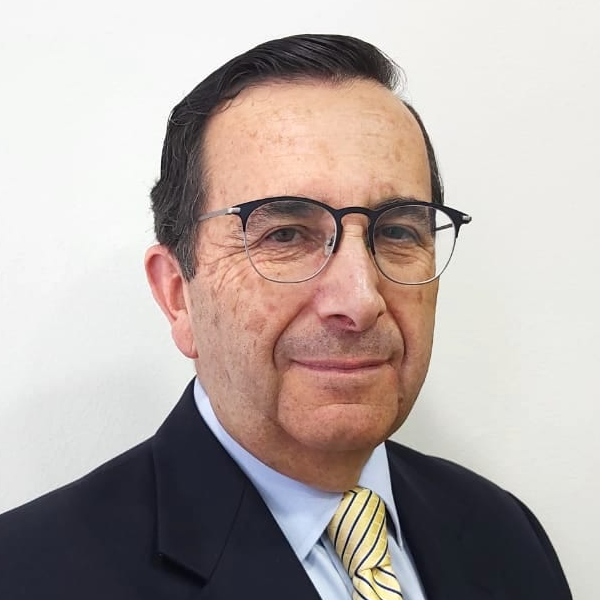
John Griffiths
Head of Security and Defense Studies AthenaLab.


