Armed Forces, Politics, and the New Constitution
This article was translated automatically and may contain differences from the original. For reference, read the original.
El Mostrador, July 6, 2021
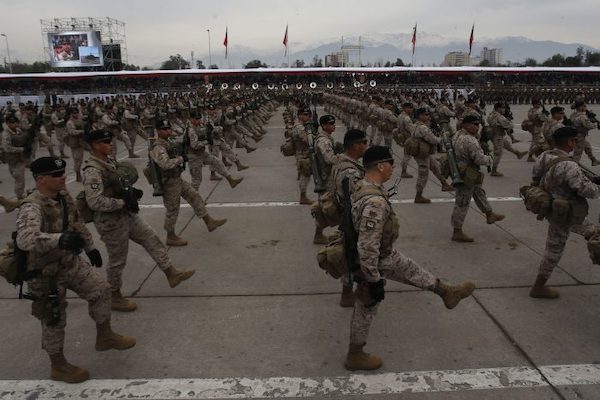
What we must make very clear in the Constitution is that the Armed Forces are the only entities that hold the power of arms and that their purpose is the defense of Chile’s sovereignty and independence, as well as the protection of national interests wherever they may be located. Defense institutions do not exist to safeguard electoral processes, manage Chile during times of catastrophe, conduct mobility controls during a pandemic, maintain public order in states of emergency, build roads, extinguish fires, and many other tasks that politicians request of them during peacetime.
I normally do not write about political issues. I write about National Defense and the Armed Forces. However, on this occasion, I will approach the political aspect from the perspective of the institutions that have been granted the monopoly on the use of force and arms.
Regardless of what the current Constitution states, the Armed Forces of Chile and those of all countries around the world exist—except for those belonging to countries with totalitarian regimes, where their main task is to maintain the power of the undemocratic dictatorial regime—to defend independence and sovereignty, and to protect national interests wherever they may be located.
Defense institutions do not exist to safeguard electoral processes, manage Chile during times of catastrophe, conduct mobility controls during a pandemic, maintain public order in states of emergency, build roads, extinguish fires, and many other tasks that politicians request of them during peacetime. It is not the Armed Forces that choose the tasks they will perform. They follow orders, but at the same time, they ensure that what is requested of them is legal and something for which they have the means, human capabilities, and required training.
Clearly, we do not want them opining or making decisions related to current political issues, but that does not mean they cannot express their opinion when they are mocked or disrespected regarding their heroes. We want them focused on their duties, but if we involve them in a myriad of issues like those mentioned above, we run the risk of them being seen as political actors, something they neither desire nor seek, but which they are constantly drawn into by the current political authorities.
What we must do is make it very clear in the Constitution that the Armed Forces are the only entities that hold the power of arms and that their purpose is the defense of Chile’s sovereignty and independence, as well as the protection of national interests wherever they may be located. They owe their allegiance to Chile and the Chileans. The points about being non-deliberative, disciplined, and hierarchical are obvious and do not add much value, but it does not hurt to indicate them if it reassures those who wish for it. They should take care to detail what non-deliberation entails to avoid unnecessary discussions on the topic.
Having been clear about what we need and request from them, the next question is: what do they expect from their superiors? They expect respect, they expect not to be involved in matters outside their purview, they expect dignified salaries and pensions, as they are willing to give their lives for Chile, do not receive overtime pay, cannot unionize or go on strike, and they expect seriousness from their authorities in defending what is Chile and that we should not be so generous as to give away what many have shed blood to achieve.
In conclusion, it is time to understand that they do not belong to one political side or another, and that those who seek to nullify or neutralize them to carry out their power grab will gain nothing, nor will those who seek to win their favor to prevent this from happening. They owe their allegiance to Chile and the Chileans, to its sovereignty and independence, and to the safeguarding of national interests.
Richard Kouyoumdjian
Vice President AthenaLab


