Southern Macrozone: Everything is Wrong!
This article was translated automatically and may contain differences from the original. For reference, read the original.
El Mostrador, December 15, 2021
We will not be able to resolve the problems of the Southern Macrozone until the various state actors—including the National Institute of Human Rights (INDH)—act together and in a coordinated manner to reduce the level of violence and seek fundamental solutions to the situations that generate it. The state of emergency and the deployment of the Armed Forces only help to lower the temperature, but do not resolve the underlying issues that give rise to the violence that has some desperate and others only happy, while those who create it make La Araucanía burn and are on the verge of turning it into a hell, if it is not already one.
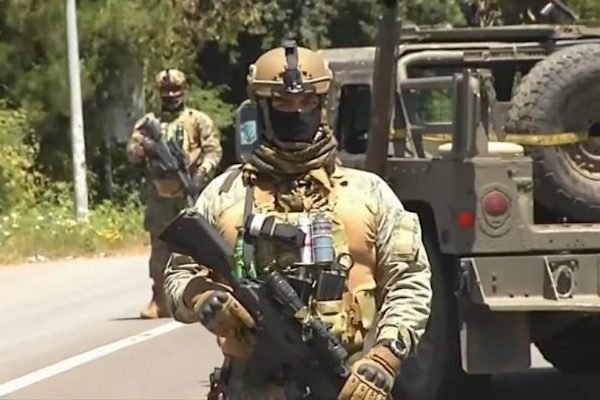
Recently, the National Institute of Human Rights (INDH) filed a lawsuit against the actions of the Marines on November 3 in Cañete, under the state of emergency in effect in that area of the country, in an incident that resulted in a very regrettable loss of human life and injuries, generating complaints from the victims of violence by armed terrorist-insurgent groups, as they do not see anyone concerned about human rights looking out for them. Almost simultaneously, it was reported that one of the coordinators from the Ministry of the Interior in Pablo Urquízar’s team resigned, citing that the Public Prosecutor’s Office and the judicial system are not committed to investigating what is happening in the region, with many cases archived without investigation, making it difficult for those who want to reduce crime and the actions of armed groups operating outside the law. This is not a minor issue, as the investigation of crimes occurring in Chile is the responsibility of the judicial system and the Public Prosecutor’s Office, and not of the Executive unless in a state of exception that removes them from the equation, such as a state of siege.
What has just been mentioned adds to the fact that the actions of the Executive, which is responsible for public safety and the police, lack effective results and a political strategy aimed at resolving the problems that give rise to the situations that have a good part of the population in that area of Chile scared, worried, and feeling neglected by the State without a clear sense of direction.
There may be multiple reasons, but at the end of the day, we have an Executive that is not being effective in prevention, to the point of having to deploy the Armed Forces, which are not designed for these purposes and do not have a legal framework to support them, as evidenced by the events in Cañete, a legal system that is unable to manage the complexity of that area and what occurs there, and an organization tasked with human rights that is concerned only with one side of the coin and not with the large mass suffering the effects of arson, murders, thefts, and the violent crime experienced in that part of Chile.
We will not be able to resolve the problems of the Southern Macrozone until the various state actors—including the INDH—act together and in a coordinated manner to reduce the level of violence and seek fundamental solutions to the situations that generate it. The state of emergency and the deployment of the Armed Forces only help to lower the temperature, but do not resolve the underlying issues that give rise to the violence that has some desperate and others only happy, while those who create it make La Araucanía burn and are on the verge of turning it into a hell, if it is not already one.
The Southern Macrozone will be an issue for any government, regardless of its political color, but after several administrations that have only provided band-aids, including this one and its use of the state of emergency, it is time for someone to take a firm stance and act with authority, which does not mean trampling on the Mapuche people or the massive use of military forces, but it does mean acting with resolution, authority, and energy, just as a good school inspector or parents who know how to manage their children would.
Richard Kouyoumdjian
Vice President AthenaLab