Public Security: From Spectators to Actors
This article was translated automatically and may contain differences from the original. For reference, read the original.
El Líbero, February 26, 2022
It is true that the solution to the crime problem is long-term, but a question I was asked this week made me reflect: what can we do today to ensure that people do not fear being robbed in broad daylight?
Man is a political animal, Aristotle said, essentially referring to the fact that he is born and develops in the polis, where he participates to a greater or lesser extent in public affairs. Since the “social outbreak,” we have demanded many things from the State: education, pensions, health, security, etc. It is not wrong to ask for certain guarantees; it is true that the State is the one who provides us with the common good. But are we merely spectators in this process?
The topic of the summer has been murders. Not only because of the cases we have been learning about day by day, but also due to the figure of 2.5 homicides per day that was reported this week. The settling of scores has become established as a cause, and we are increasingly concerned about whether we will become like Mexico, where last year more than 90 deaths were recorded daily.
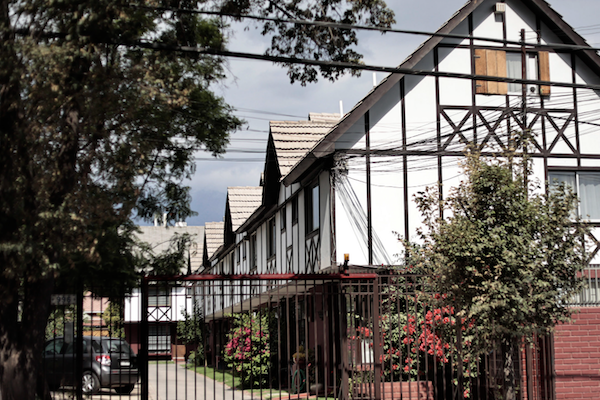
The perception of insecurity isolates us. More closed passages monitored by cameras, higher fences around our homes that no longer just serve to delineate private space from public, but also enclose windows. The life of playing outside and going out early to return at night after spending the whole day with friends has shifted indoors. Better for them to play PlayStation all afternoon than to be outside exposed to bad influences, some might say about their children.
Security has become the major concern. It is true that the solution to the crime problem is long-term, but a question I was asked this week made me reflect: what can we do today to ensure that people do not fear being robbed in broad daylight? And the truth is that there are small yet significant things, as the slogan from the eighties said, that we can do and where everyone can be involved. The recovery of urban spaces and the contribution of the private sector are some of them.
We can start by keeping cities clean, with public spaces that serve as meeting points for the community, where homes, commercial establishments, schools, and more contribute to healthy social development. Of course, the state must ensure the cleanliness of our environment, but we also contribute to that. Areas where the State and citizens maintain harmonious environments reflect concerned communities, while areas with graffiti, destroyed walls, and dirt on the sidewalks represent neglect and an opportunity for criminal groups to establish themselves there. If neither citizens nor the State care, it means there will be no oversight, and I can act freely.
In matters of security, information is key. We ask our intelligence agencies to gather data, process it, and share it so that it flows through channels that communicate with all involved actors. But as citizens, we can also contribute to that. There are international cases where, through public-private partnerships, the latter provide the State with images captured by their security cameras, allowing for the apprehension of criminals and a better understanding of what happens on the streets.
In a world where technology sets the pace, smart cities are becoming increasingly relevant. There, technology serves citizens by connecting all actors and reclaiming public spaces. Information flows through multiple channels, and communities could empower themselves against crime. Thus, man reconnects with his political being and, together with the State, contributes to achieving development, security, and well-being.
Pilar Lizana
Researcher, AthenaLab
Source: El Líbero


