Security, the conversation we should be having
This article was translated automatically and may contain differences from the original. For reference, read the original.
El Líbero, August 27, 2022
How many things are we not seeing by focusing only on the Tren de Aragua or the leader of the CAM?
A few weeks ago, we discussed the Tren de Aragua, kidnappings, and homicides. Today, we are discussing Héctor Llaitul, his arrest, and how the Minister of Social Development ended up resigning. We are overwhelmed by a security landscape that has recently been adding more and more incidents to its description. However, we cannot fall into confusion. How many things are we not seeing by focusing on Venezuelans or the leader of the CAM?
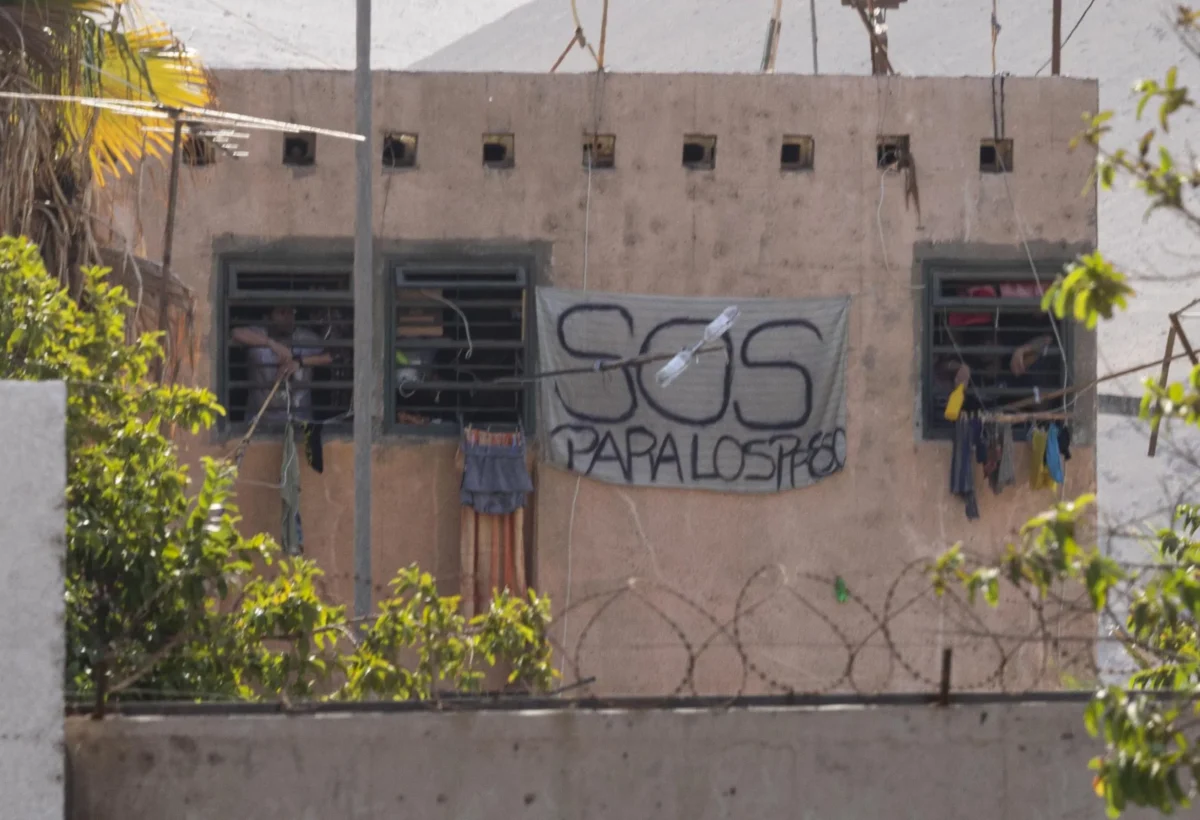
The prison system in various countries in Latin America has been the breeding ground for new criminal gangs. From within their prisons, transnational criminal operations are carried out, and the transfer of knowledge has allowed some to refine their techniques. We can no longer believe that this is a distant reality. Since last year, the Gendarmerie has warned about gangs operating within Chilean prisons. The arrival of foreign criminals to these facilities only adds new elements to a situation that has been developing for some time in our penitentiaries.
This is what we need to be discussing in terms of security, everything we do not see and where the new powers of crime in Chile could emerge. To do this, we must start by acknowledging that the conversation about urban violence must take place outside of political ideologies. It is a dialogue that cannot be clouded by current events, as only permanent institutions are called to combat the new criminality that has arrived in Chile. Only in this way can we advance in modernizing a system that urgently needs updating, especially in today’s criminal context.
There are eight days left until the plebiscite. We must vote for the general framework that will define our path, a path that we cannot walk without security and that is certainly not illuminated by the proposed text. Without a concept of public order, allowing prosecutors to issue direct instructions to police, while defining the president as the leader of security policy and indicating that autonomous municipalities can decide on citizen security, the document only adds more confusion to the overall landscape. Confusion that only benefits crime, as it will see in it the opportunity to establish itself in a country open to the world, with extensive port infrastructure, and where political issues have clouded the real conversation about security.
It is not that we should not talk about modernization; we must do so, especially with the new scenario. But let’s talk seriously, let’s discuss what we lack, let’s talk, for example, about the importance of police intelligence and the standardization of databases for crime investigation, the role of the legislative power in developing laws that facilitate prosecution and hinder criminal activity, and a justice system that, as Aristotle said, gives each person their due and clearly tells all those criminals who may see an opportunity in Chile that things are not so simple here.
Let us finally have the conversation we need. If not now, it will be too late later!
Pilar Lizana
Researcher at AthenaLab
Source: El Líbero


