The (In)ability to Govern
This article was translated automatically and may contain differences from the original. For reference, read the original.
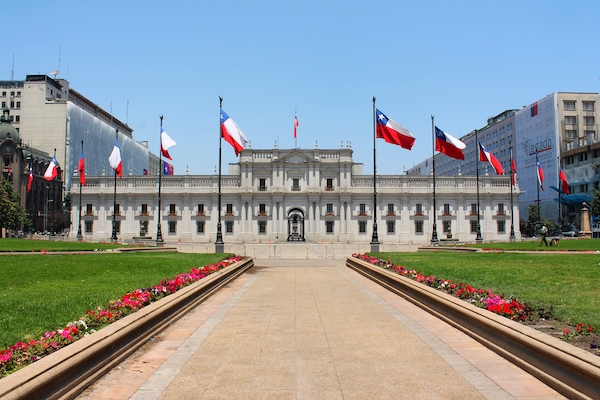
The weakness of democracy and the regression of the rule of law will have more to do with our inability to govern than with the emergence of a new criminality.
Governability, that capacity to respond to the demands and priorities of citizens, was what President Gabriel Boric awkwardly called for President Gabriel Boric at the Summit of the Celac for Peru. Beyond the error in international relations that it represents to comment, in that tone, on internal matters of third countries, one must ask how far the President can demand governability from another state if that capacity is in doubt in his own.
Errors, carelessness, lack of experience, and a long list of other issues have accompanied various opinions on the government’s actions this week.
But the comments do not begin with the leak of that audio where the chancellor and her team referred to the Argentine ambassador in Chile. The blunders have accumulated since March 11, 2022; among them, we could mention former Interior Minister Izkia Siches referring to the expulsions of migrants in Congress, the same authority speaking about Wallmapu, the advisor to the former Minister of Social Development calling the leader of the CAM, Héctor Llaitul, to the “errors” that, according to the spokesperson, occurred in the case of the pardons, and how the President, with those pardons, undermined the security table for which Interior Minister Carolina Tohá worked so hard. The audio and the references to Peru at Celac are just part of a broader picture of errors and carelessness.
How can one demand governability from others if the state he leads does not respond to the priorities of its citizens? Crime is the main concern of Chileans, and in that single matter, the vastly different views that divide the government are evident.
A few weeks ago, when the case of the PDI officer killed in La Cisterna was known, the President stated that situations like that would no longer be tolerated. Were they tolerated before? Which vision prevails in terms of security, the one that guided the decision on pardons or the one that illuminates those speeches about regaining authority and not allowing crime to advance?
The year 2022 was marked by a significant increase in violence, expressed in contract killings or settling of scores, extortion, drug trafficking, kidnappings, and the arrival of transnational organized crime groups that seem to challenge the capacity to govern. There are no clear responses in terms of security, and the obstacles seem to come from within the ruling coalition.
Inexperience and errors may exist; what is important is that they are not the norm but rather the exception, and that those who govern us have the capacity to listen to those with the experience to minimize shortcomings.
No one owns the truth, but they must have the capacity to lead a government and a country, and in that, they are failing. Let us stop asking others to improve in governability and focus on strengthening our own; otherwise, the weakness of democracy and the regression of the rule of law will have more to do with our inability to govern than with the emergence of a new criminality.
Pilar Lizana
Researcher, AthenaLab
Source: El Líbero