The Constitution and the Homeland
This article was translated automatically and may contain differences from the original. For reference, read the original.
El Líbero, September 15, 2023
Politics must transcend petty politics, for the Chileans and for that country that has its origins in 1810 and will celebrate a new anniversary in the coming days.
On September 18, 1810, a process began that would culminate in the establishment of an independent State. One that defended its rights, fostered a deep sense of patriotism, and has transformed into the Chile we know today. That Chile that unites in the face of adversity and where solidarity is one of its fundamental characteristics. However, 213 years after that moment, we find ourselves once again discussing what Chile is and what it should be in the future.
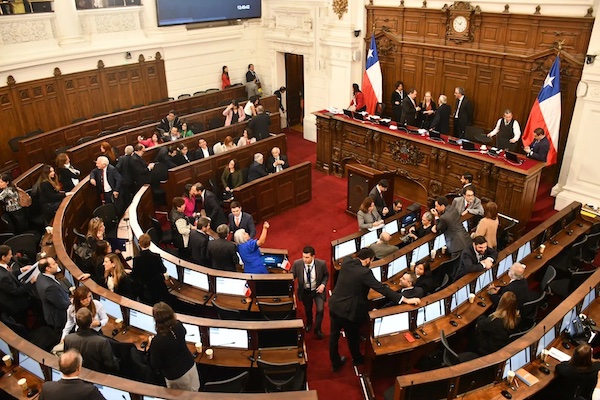
Today marks the beginning of the voting on the first chapter of the second draft of the constitutional text, thus initiating the final stretch of this process that has been marked by violence and disorder. It arose from a social outbreak, political polarization characterized the first attempt, and citizen fatigue the second.
There are more important matters, some might say. And how could they not! In the survey on public safety published by the Universidad San Sebastián, 70% say that crime will increase in the future, 65% affirm the same about violent crimes, 69.9% express feeling fear, and 78% of people have changed their habits. There is no doubt about the importance of this, but that does not mean that the constitutional process loses its relevance.
The Constitution is the fundamental law of the State, the framework of action that provides checks and balances by delivering key mandates to the institutions defined therein. The key point is that the outcome must arise from broad consensus where a majority approves the proposed document. Only then will it have the necessary legitimacy.
At this week’s Icare meeting, former Presidents agreed on the importance of agreements; however, it is worth mentioning the conclusion of former President Bachelet’s speech, where she states that she can “live” with the project presented by the experts and then expresses hope for a Constitution that allows us to move toward a more dignified and just country; otherwise, she will be “marching.”
It is not acceptable for a former President to state that she will march in the streets to protest a text with which she disagrees. Her role as a former government leader should foster unity, build bridges, and contribute to ensuring that the political process behind the Constitution’s design reaches those agreements, not to announce that she will protest to “defend rights.” All this achieves is to generate more polarization.
Gestures like this take us away from that cabildo of Santiago in 1810, where the members of the first Government Junta were elected to maintain a balance, something that is not evident today. Tradition and reform marked that historic process, something that cannot be forgotten today.
A reform without tradition will lose the patriotism of the 1800s; without balance, it will not generate unity, and without the ability to convey concern for Chileans, political leaders may lose the opportunity that this process offers them. Politics must transcend petty politics, for the Chileans and for that country that has its origins in 1810 and will celebrate a new anniversary in the coming days.
Pilar Lizana
Researcher at AthenaLab
Source: El Líbero