Money Laundering: The Other Side of Organized Crime
This article was translated automatically and may contain differences from the original. For reference, read the original.
El Líbero, September 22, 2023
Do we have money laundering in Chile? Of course. Are we being targeted for it? Not necessarily. Could we be receiving laundered money from another country and transacted in Chile? Probably.
Much has been said about the theft of copper, wood, fish… and much more about drug and migrant trafficking, but we have asked little about the money. If there is already a consensus that organized crime has various expressions in Chile, then it is time to strongly promote the discussion on money laundering and asset recovery.
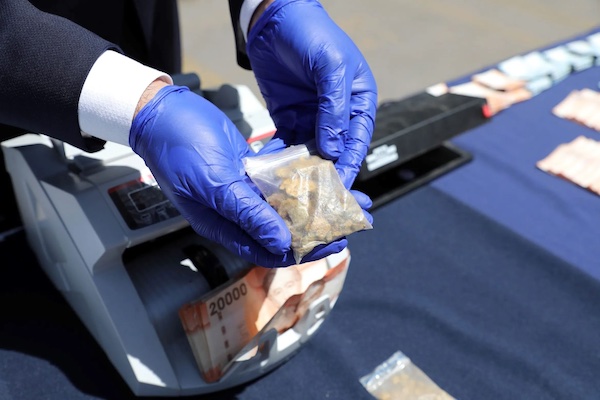
In 2022, reports of suspicious activities received by the Financial Analysis Unit (UAF) increased by 17.1% compared to the previous period. This should not necessarily be a cause for concern, as it could be a result of increased reporting by financial institutions. However, upon closer examination, of the 11,400 operations reported last year, 1,132 correspond to money laundering, which represents an increase of 120.2%. Of these, 84.4% are due to corruption, smuggling, drug trafficking, and fraud. This is indeed concerning.
Money laundering networks worldwide are as extensive as those of transnational organized crime groups, and the impact of seizing assets from one of their leaders can be stronger than the actual penalty for a crime.
If by definition these organizations seek profit behind the goods they traffic, it is necessary to pursue the money, something that many repeat as a mantra, but few put into practice. Asset recovery is an action that requires the effort of public and private entities, all committed to a single objective: to ensure that organized crime does not use our legitimate system to move capital obtained illegally.
For example, that parallel market that begins with much violence after the usurpation of land to steal wood has a development cycle where the product is laundered by falsifying, among other things, receipts and invoices to obtain a profit that can be demonstrated as legal, money that is then introduced into the system through various institutions designated for that purpose. The same happens with fish, copper, drugs, and counterfeit goods sold in the informal market.
How does it all begin? One single answer: corruption. From the moment a state agent is willing to look the other way, the door is opened for organized crime, its multiple businesses, and money movements. Therefore, the fact that an official sells appointment numbers from the Civil Registry or the same case with foundations cannot be seen as isolated phenomena unrelated to crime. Corruption, wherever it comes from, is the signal they need, as that same official may be selling appointment numbers one day and licenses to launder stolen cars the next. And if that is the beginning, money laundering is the end.
It is time to stop talking about form and start discussing substance. Do we have money laundering in Chile? Of course. Are we being targeted for it? Not necessarily. Could we be receiving laundered money from another country and transacted in Chile? Probably.
Pilar Lizana
Researcher, AthenaLab
Source: El Líbero