Prisons: The Last Become the First
This article was translated automatically and may contain differences from the original. For reference, read the original.
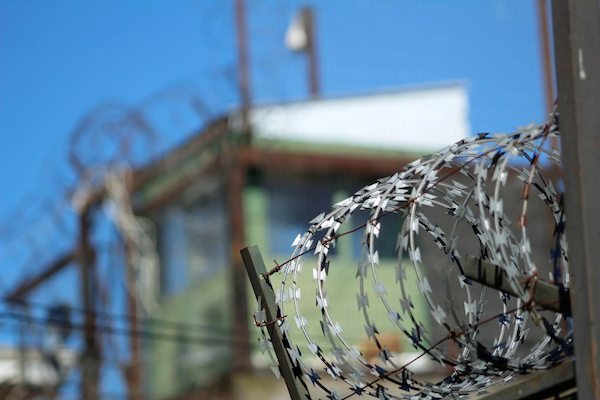
The mere construction of prisons is not sufficient, as without an understanding of the impact of organized crime, more prisons do not necessarily mean more security.
They are the last link in the security chain, but they are becoming the first. With a captive drug market and an overcapacity of more than 120% by design, the prison appears as a place where criminals extend their networks, integrate into new criminal gangs, and learn other criminal methodologies.
More than 80% of inmates report being problematic drug users upon entering the prison system, a place where the weaker are subjected to the stronger and where overcrowding is fertile ground for criminogenic contagion.
The security agenda being discussed in Congress toughens penalties for various criminal offenses by incorporating new custodial sanctions. This further pressures the already strained national penitentiary system. To address the issue of overuse, a project has been proposed to build new prisons and expand others; however, this would not be sufficient.
It is true that more prisons are needed, but this must be accompanied by a prison policy that addresses the criminal phenomenon pressuring the penitentiary system and relates to the impact of the installation of organized crime in Chile and the growing number of criminal gangs operating from within prisons, bringing street criminal logic inside the facilities.
To confront organized crime and transform prisons into the last link in the security chain, it is essential to segregate the prison population and disrupt the criminal networks that complex criminality has.
In this sense, the mere construction of prisons is not sufficient, as without this perspective, more prisons do not necessarily mean more security.
The challenges the State faces in this area also relate to highlighting the importance of the role of Gendarmería and providing that institution with the necessary resources with a focus on integrity and transparency to combat attempts by crime to corrupt it, as well as strengthening prison intelligence so that prisons truly remove criminals from the streets.
Understanding the role that institutions play in security matters, strengthening them, and incorporating them into a national strategy is essential for sectoral policies to achieve efficient results. It is crucial to understand the phenomenon in its entirety and to incorporate a cross-cutting political perspective that allows all actors, regardless of their ideological line, to work together.
The reality of prisons and their challenges cannot be excluded from the security debate, and the response cannot be solely to expand infrastructure. The issue is much more complex than a physical solution. A deep conversation about institutional and prison policy is urgent. It is imperative to end the fact that, in penitentiary matters, the last often become the first.
Pilar Lizana
Researcher at AthenaLab
Source: El Líbero
The opinions expressed in this article are those of the author and do not necessarily reflect the views of AthenaLab.