Head of Studies interviewed by La Prensa Austral regarding operations in the Beagle Channel and the purchase of combat aircraft in Argentina
This article was translated automatically and may contain differences from the original. For reference, read the original.
“We cannot blame Milei for doing what we should be doing ourselves”
Military defense specialists discuss the operations in the Beagle Channel and the purchase of combat aircraft.
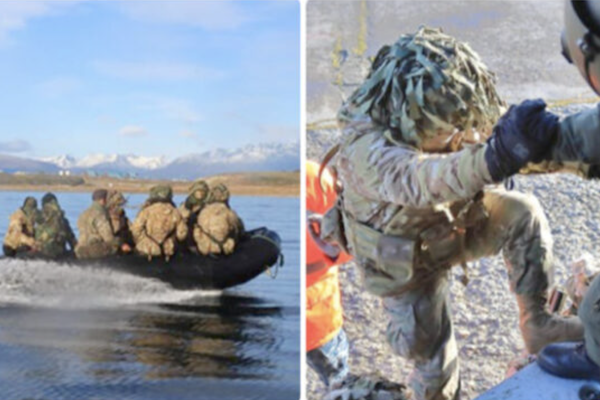
On Tuesday, the Argentine Executive signed the contract for the purchase of 24 “Lockheed Martin F-15A/B MLU Fighting Falcon” aircraft that the Argentine Air Force acquired from the government of Denmark. This would represent the largest recovery of capabilities for the force in over 50 years, according to Santiago Rivas, an Argentine journalist specializing in defense, geopolitics, and aviation. Additionally, military operations in the Beagle Channel have been reported by the Marine Infantry Battalion.
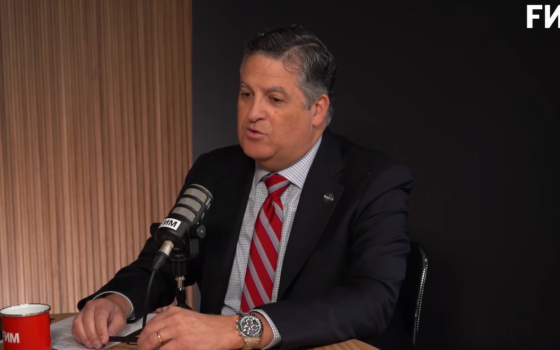
For Santiago Rivas, editor of Pucará Defensa, a publication specializing in Defense and Security, the purchase of the aircraft is justified because “Argentina urgently needed, for many years, to modernize its combat aviation to have the capacity to protect its airspace. For over 20 years, it has lost that capacity, as the aircraft that were maintained, such as the Mirage until 2015 and now the A-4AR, do not have real combat capability against potential threats. The project to replace the fighter aviation dates back over 30 years, and no other government has seriously addressed it at this level.”
This acquisition would be of such importance not only because of the type of material included, “but also due to the doctrinal and capability changes that the incorporation of the F-16 allows, such as the possibility of air combat beyond visual range,” Rivas adds. Regarding the maneuvers in the Beagle Channel, he indicated that “these are routine exercises conducted several times a year, just as Chile does in the area.”
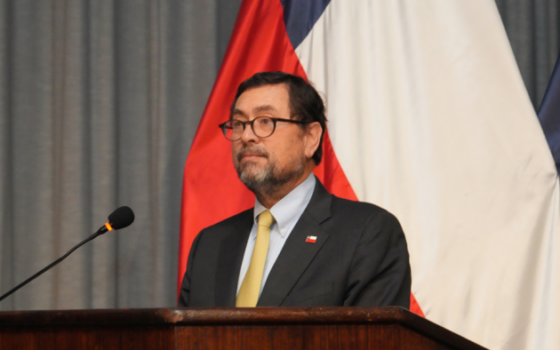
The former Chief of the Army General Staff and Head of National Security and Defense Studies at AthenaLab, John Griffiths, shares a similar opinion on the operations in the Beagle: “We should not be surprised that countries conduct exercises in areas where they exercise sovereignty; that is normal.”
Regarding the Antarctic issue, Griffiths asserts that “if a President wants to revitalize his claim to Antarctica, good for Milei. And we should do the same. What we need to do is precisely reiterate our legitimate rights, which are established, and, moreover, the Antarctic Treaty recognizes them. The issue is that they overlap with Argentina and also with Great Britain. But well, that brings the concern of each government about how I will defend my legitimate interest. We cannot blame Milei for doing what we should be doing ourselves.”
Source: La Prensa Austral