COLUMN | The Powerful Are Not the Usual Ones
This article was translated automatically and may contain differences from the original. For reference, read the original.
- by Pilar Lizana
- Opinion
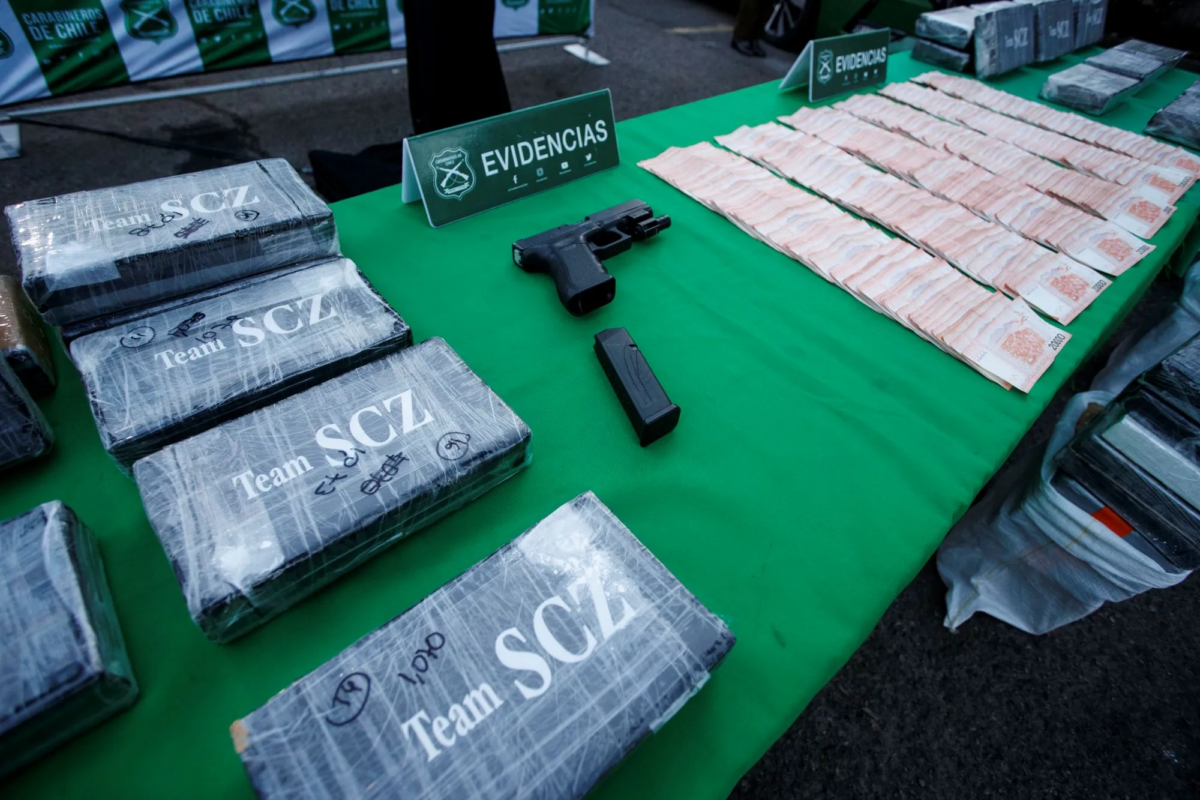
Through the use of third-party identities, the creation of companies in a day, overseas shipments, and even cryptocurrencies, they launder money and then use it to buy off that state agent willing to carry out some procedure for the benefit of the 'organization.'
The debate about ‘elites’ and ‘the usual powerful’ has diverted attention from what is important. The audio case should bring to the forefront the necessary conversation about corruption. If the main threat to Chile is organized crime, then, the primary conversation should revolve around the corrupting power of the money generated by that illicit activity.
Referring to the elite invokes an ideological discourse that, more or less, is completely disconnected from national reality according to surveys. Today, Chileans are crying out for security, and they are not doing it for those usual powerful figures mentioned by the President; they are doing it because in their communities and neighborhoods, other powerful figures have emerged—those who are not necessarily part of the elite, but who, with the power of money, present a reality that dazzles the youth and destroys families.
Money, that which is so often referenced when discussing organized crime and which enters the legal system through various techniques to launder its illegal origin, is the tool of corruption. Through the use of third-party identities, the creation of companies in a day, overseas shipments, and even cryptocurrencies, it is laundered and then used to buy off that state agent willing to carry out some procedure for the benefit of the ‘organization.’
These are the powerful figures we should be concerned about; these are the powerful who will seek to finance the elite; these are the powerful who will destroy the State. The others will merely be their tools.
Gradually, progress has been made in the discussion. Currently, there is a debate about restricting the use of cash as a way to add traceability to money. The bill creating a supraterritorial prosecutor’s office, the one for a financial intelligence subsystem, the one for economic intelligence , and the one for intelligence. However, none of this will be effective if those who govern us do not create an ecosystem that combats organized crime and where everyone participates.
The only way for institutions to be effective is through a management model that integrates information from all levels and where each institution, service, and unit of the State is incorporated into a public security chain that does not replicate tasks but generates synergies among the functions of each of its actors.
Without that, pursuing money will not be enough. Without that, these new powerful figures will only become more powerful, and as gaps close, they will open new ones because, they will always seek to penetrate the State, buy off an official, or even those usual powerful figures to benefit from their position.
The powerful are no longer the usual ones, and that elite, along with all of us, is at risk. We are rapidly moving from theft to trafficking, from common crime to organized crime; we are dangerously close to having only organized crime. For that, money and time are required—two things that the new powerful possess.
In terms of security, political leaders must set aside those ideological discourses that seek to placate some. They must speak seriously about corruption, without categorizing it. Corruption is singular, and the new powerful are well aware of this.


