COLUMN | Five Years, and?
This article was translated automatically and may contain differences from the original. For reference, read the original.
- por Pilar Lizana
- Columnas
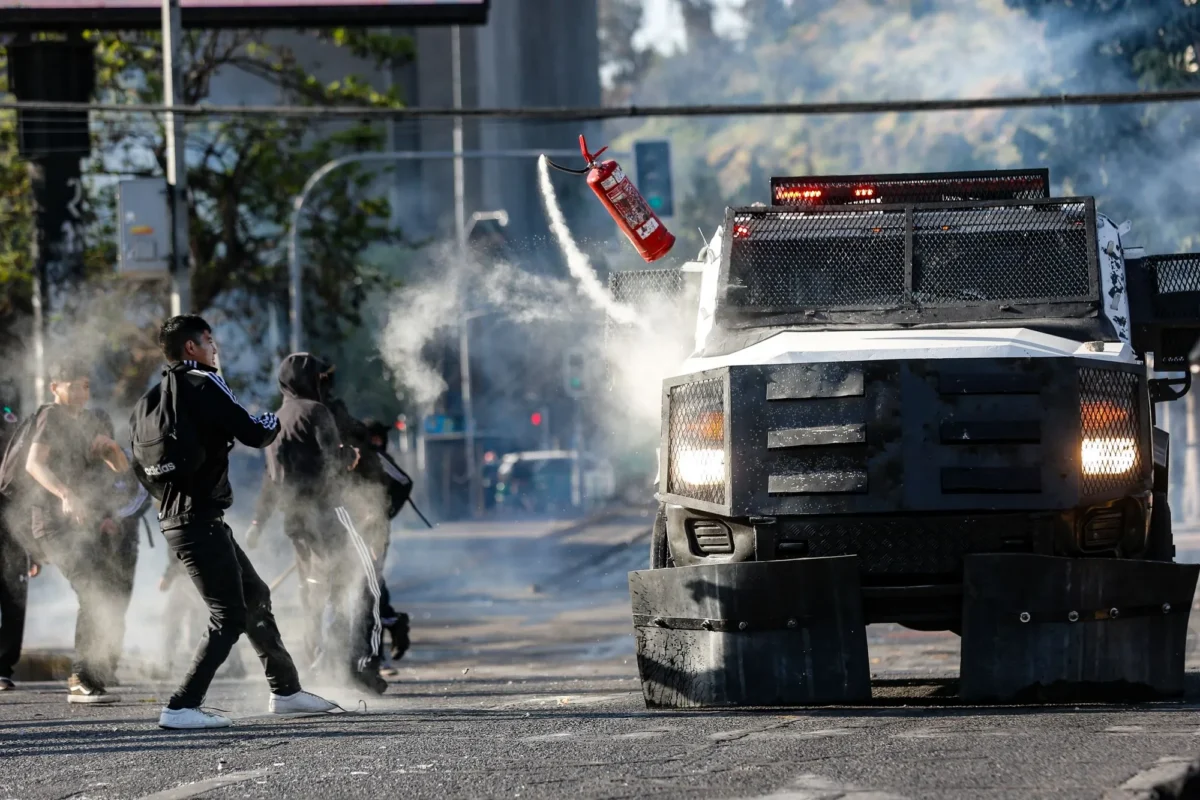
The institutional deterioration that became visible with the social outbreak and has deepened over these years has transformed into the main driver of organized crime, allowing it to establish itself and operate.
Another October 18. Many will commemorate it, others will continue drawing lessons, and many Chileans will wonder whether the Metro will function; their concern is getting home in a context where urban violence has much of the population terrified.
Five years ago, a point of no return began towards an institutional deterioration that today puts Chile in check. Police and military personnel were disparaged in the streets while the young leaders who govern us today called for them to return to the barracks. However, all of this remains in the past; the question we must ask ourselves this October 18 relates to the next five years. This is what we should be concerned about now to be prepared for the future, something that our leaders evidently did not foresee from the streets.
It seemed that stepping on the honor of the police was more profitable than supporting them; however, had they been thinking about the coming years, they would have been able to identify that organized crime would only grow and that denigrating institutions was merely adding fuel to a fire that could explode at any moment.
With two weeks until a municipal election and a year until a presidential one, the question we should be answering relates to the next five years. What trends will drive the challenges and threats facing Chile? How can we respond technically and politically to them? What leadership do we need?
Amidst this array of questions, one thing is clear: that institutional deterioration, which became visible with the social outbreak and has deepened over these years, has transformed into the main driver of organized crime, allowing it to establish itself and operate.
Regional criminal flows will continue to grow and seek opportunities. One of these was Ecuador. Chile and Costa Rica could follow, two countries that serve as drug transit points where their position and infrastructure are highly attractive. Another clear trend: transnational organized crime did not skip and will not skip Chile. Foreign groups will continue to arrive and national ones will mutate; the violence stemming from criminal competition will continue to disrupt the lives of Chileans.
The infamous permitting process and weak economic growth will be a problem for those seeking to thrive within the legal framework; illicit businesses that profit from black markets for weapons, people, drugs, copper, fish, or timber care little about these issues.
The next five years are about certainties and opportunities. Certainties to know that there is enough security to live in peace and opportunities for anyone who wants to invest in Chile to do so without obstacles or delays. Thus, certainties and opportunities transform into growth and stability. However, none of this will be possible if that weakened institutionality is not rebuilt.
The next five years are for rebuilding institutions and creating a different Chile, one where every dream can come true. Without fear, without uncertainty.