LAUNCH | “Constitutional Path to Revolution” by José Rodríguez Elizondo
This article was translated automatically and may contain differences from the original. For reference, read the original.
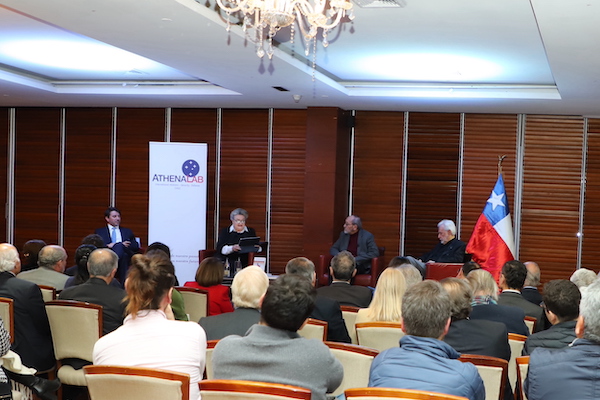
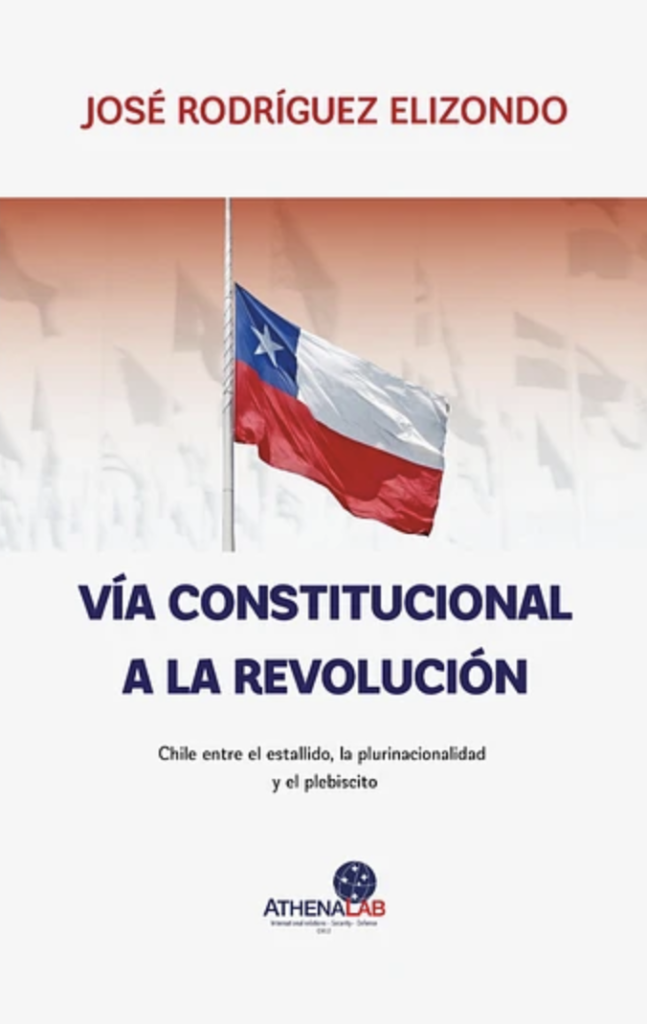
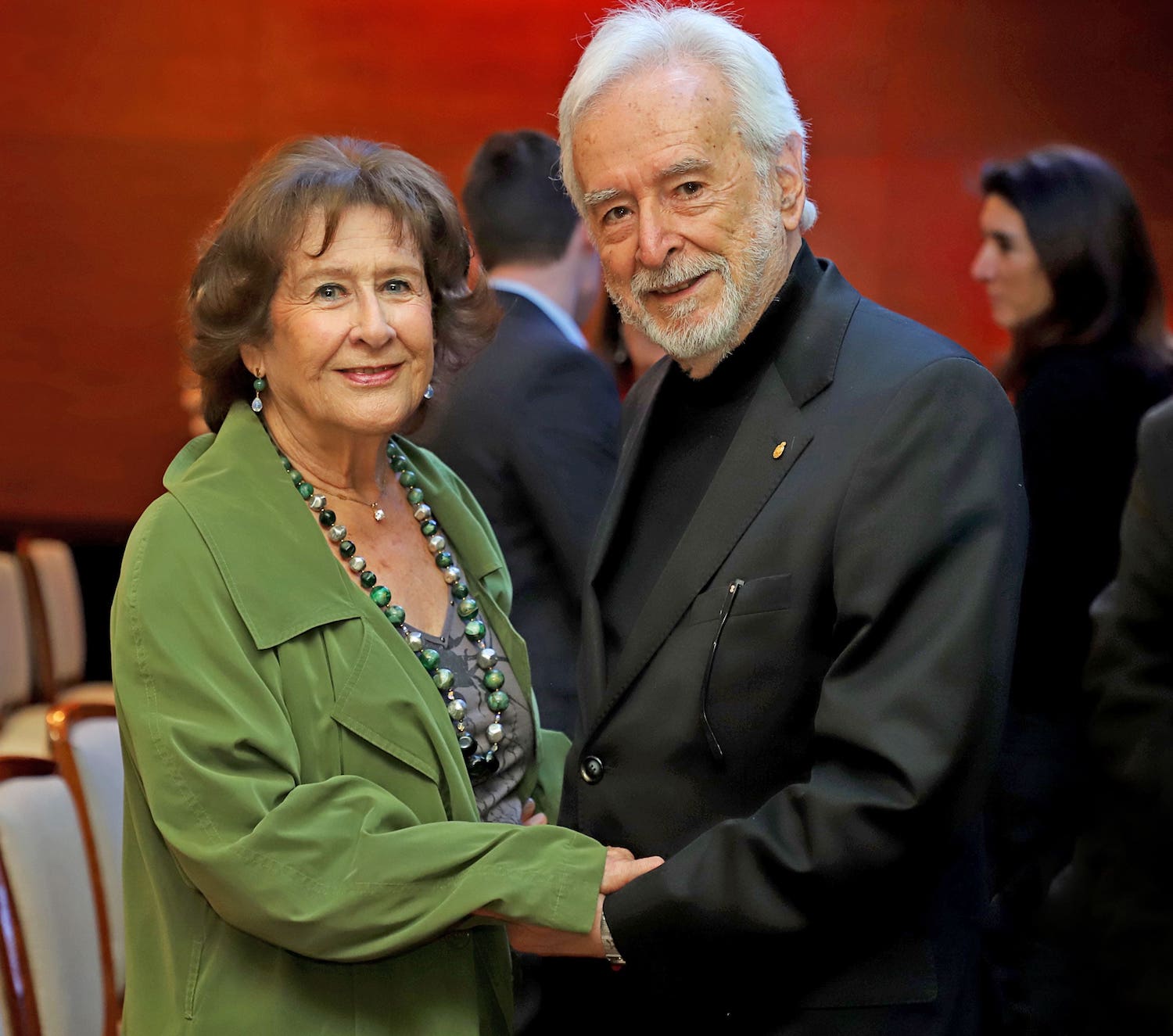
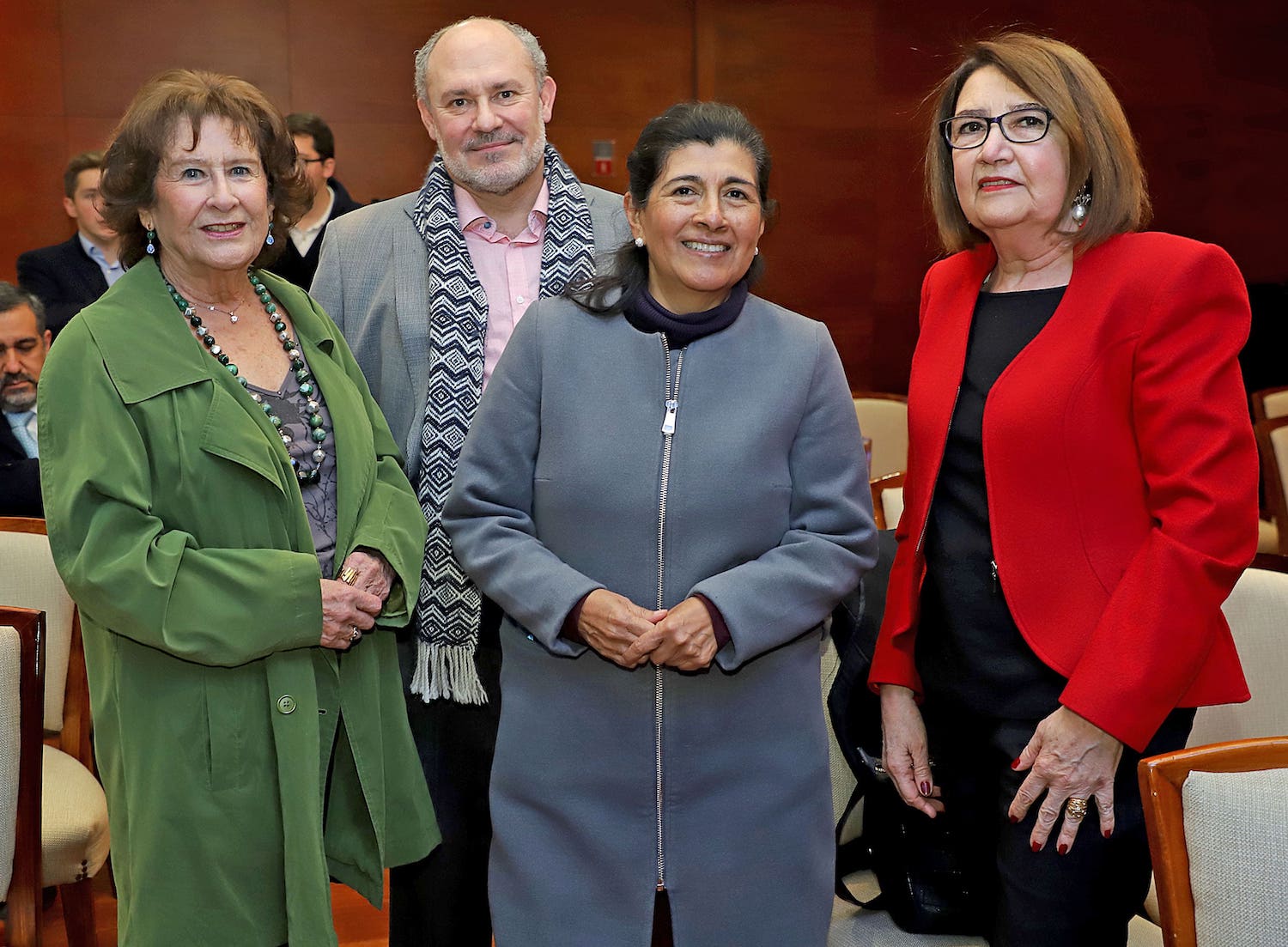
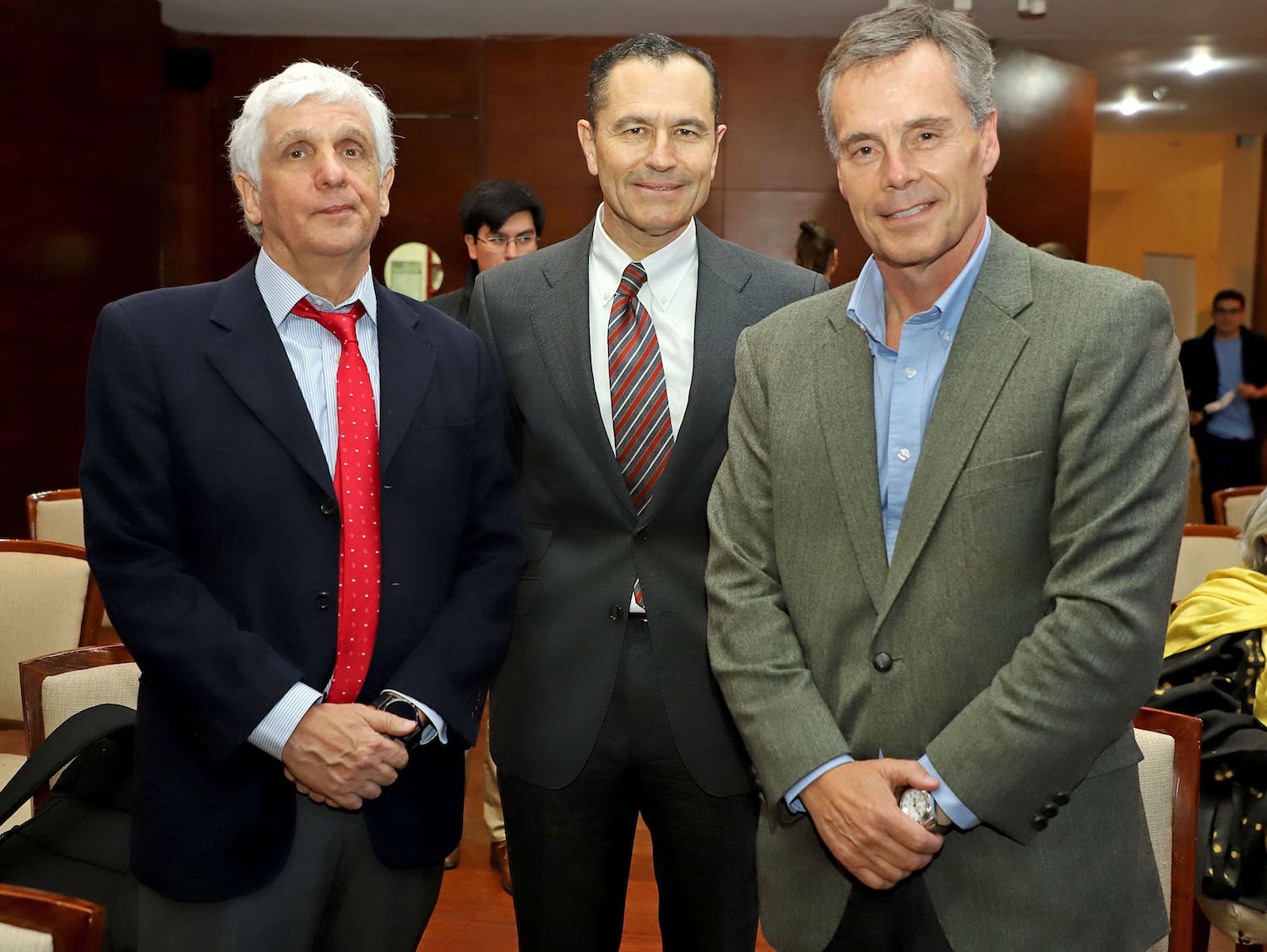
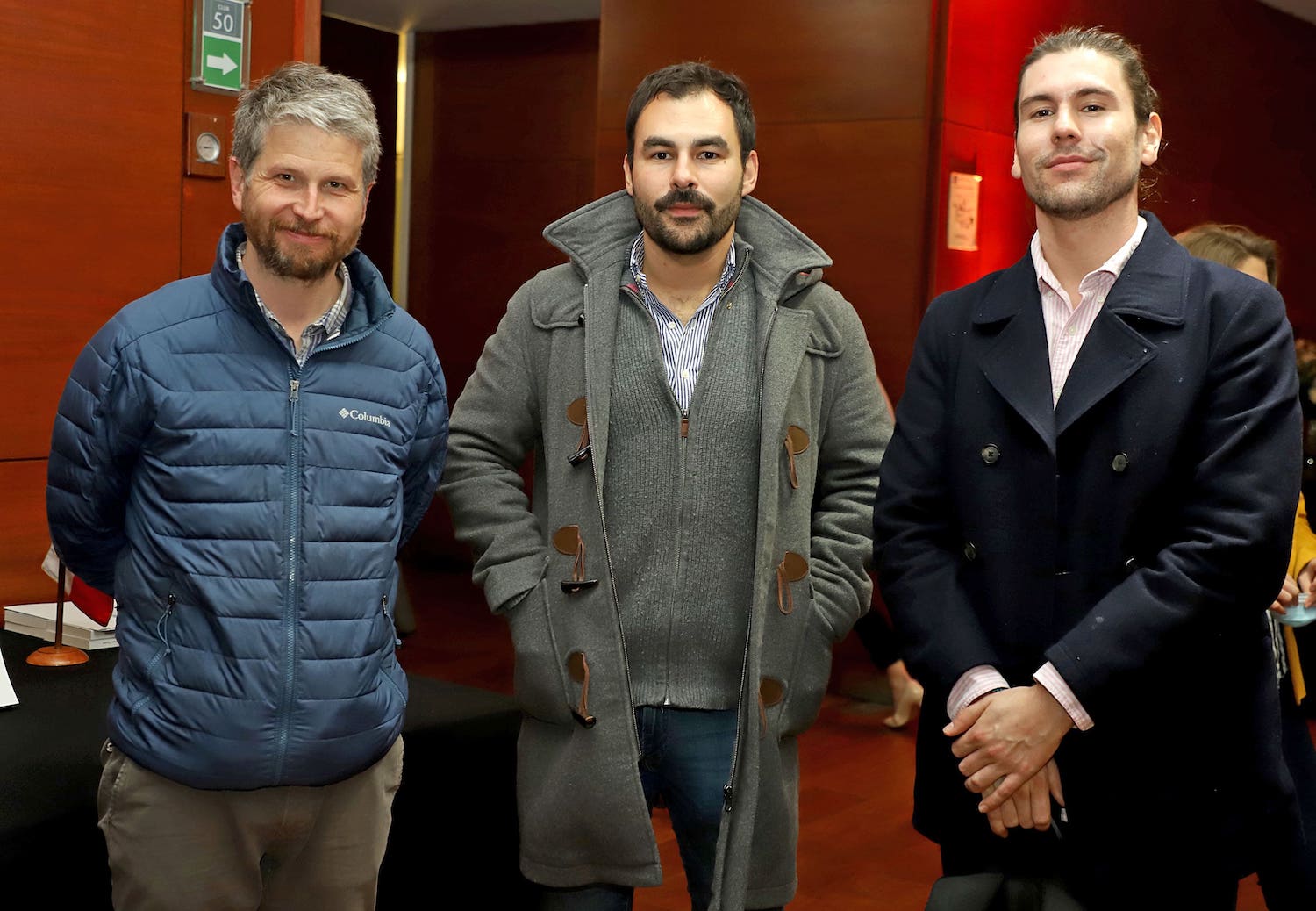
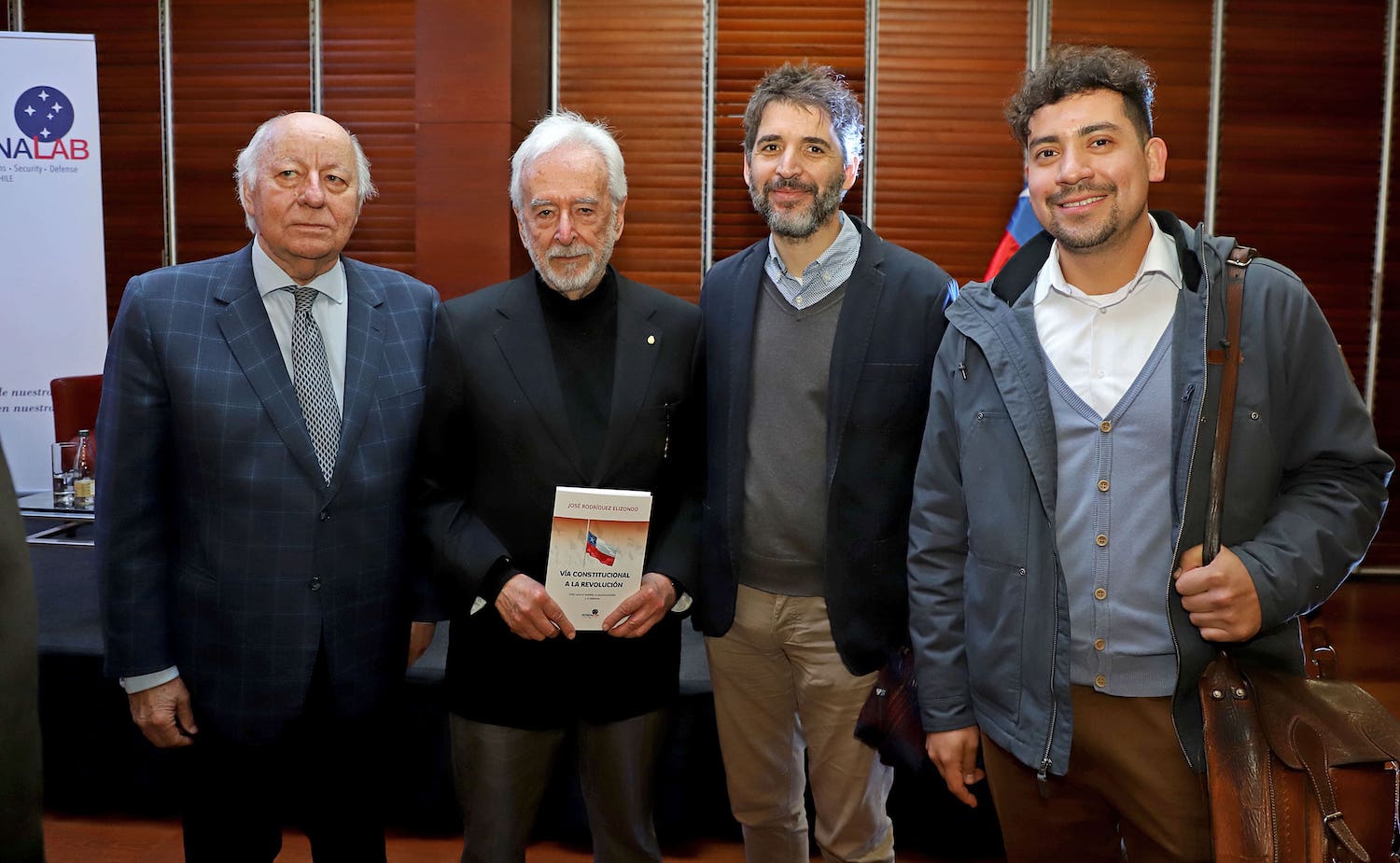
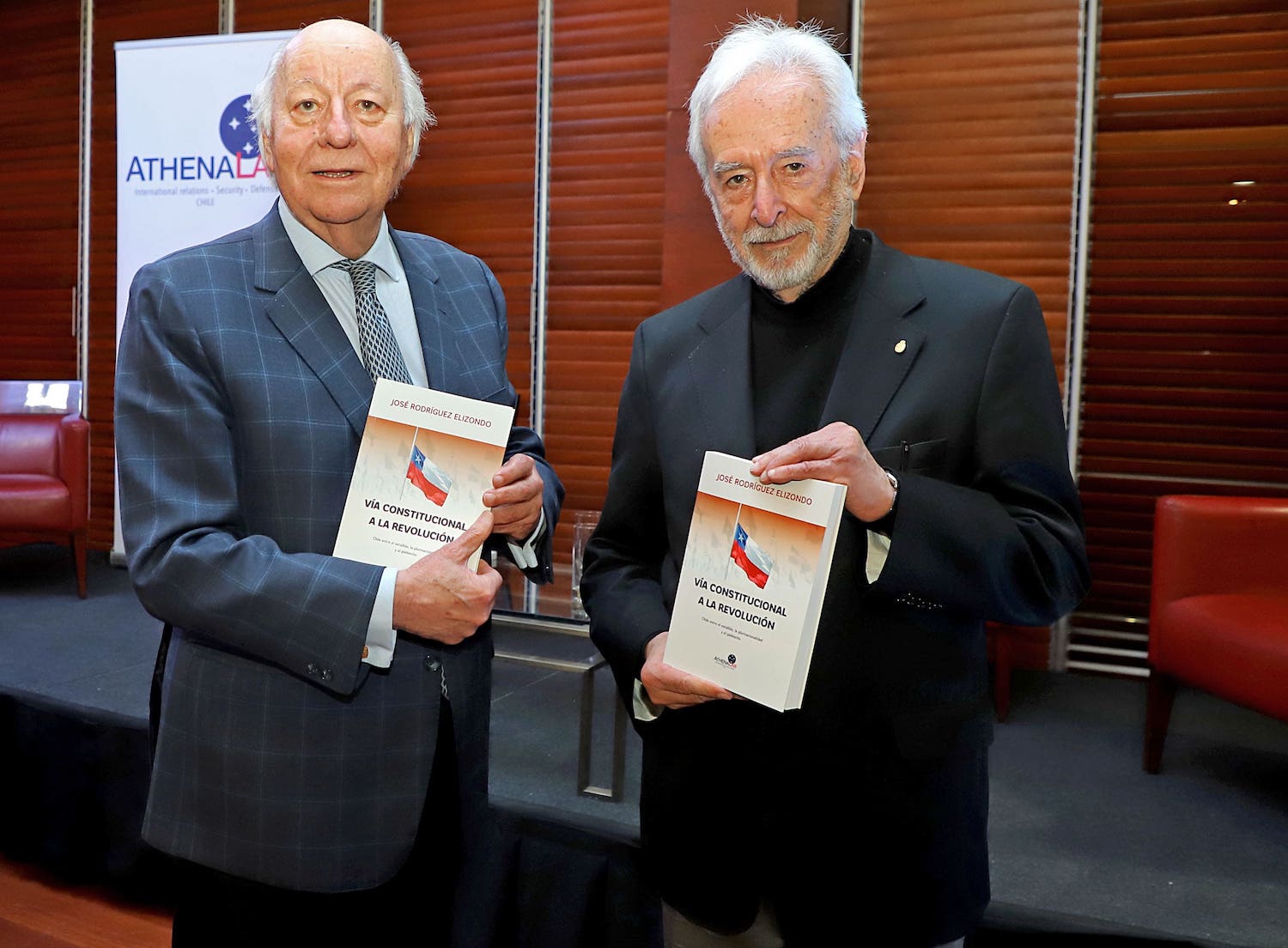
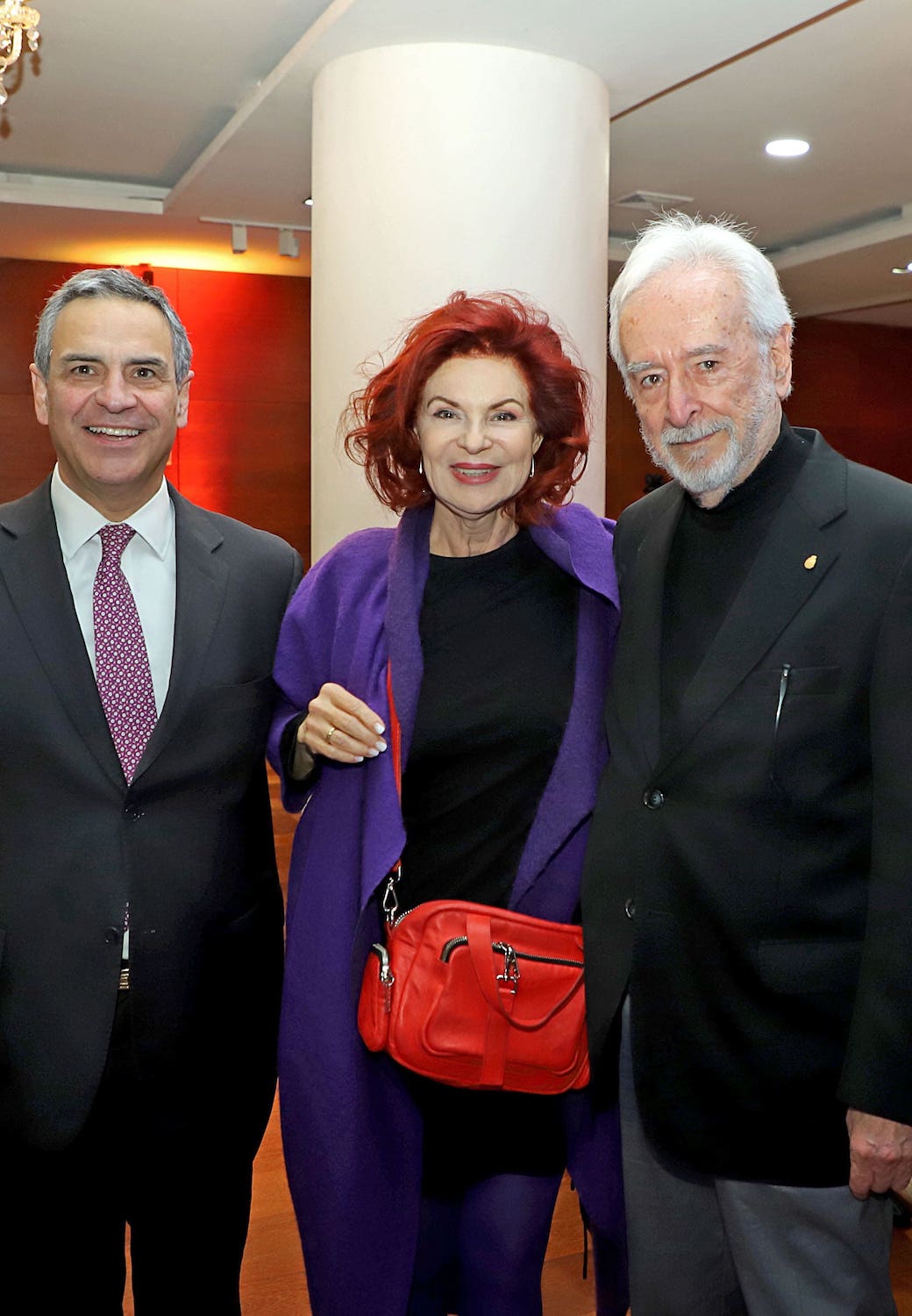
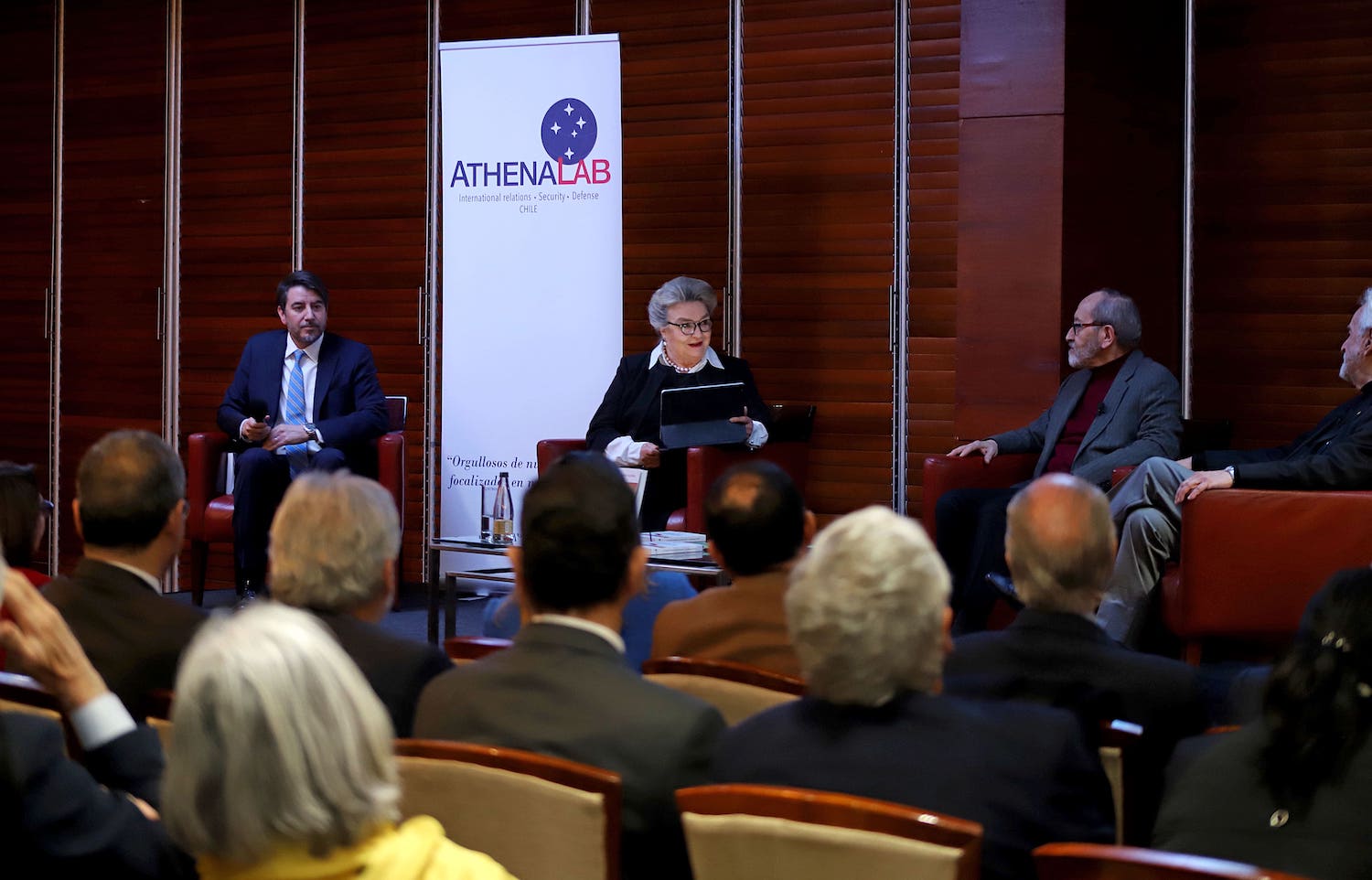
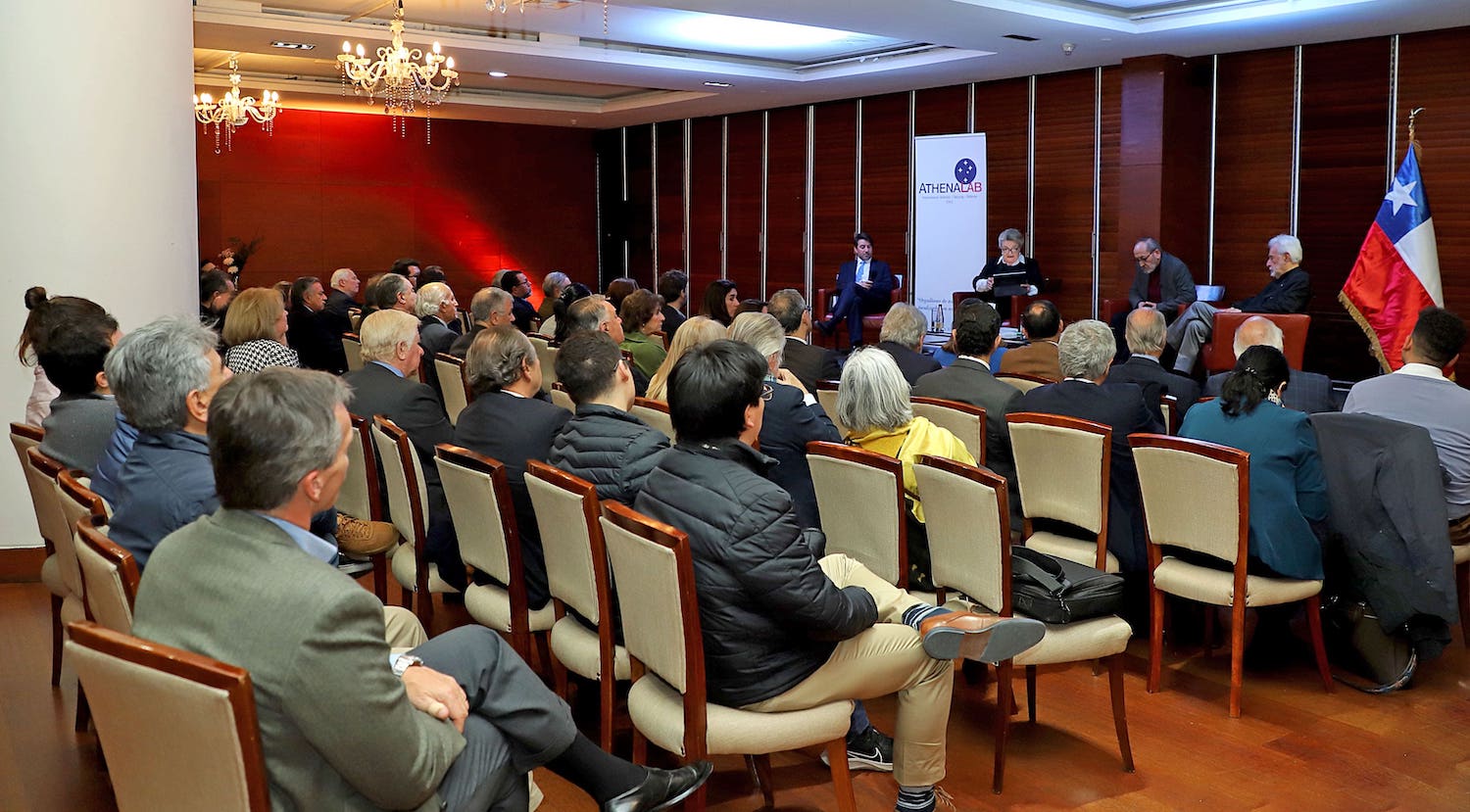
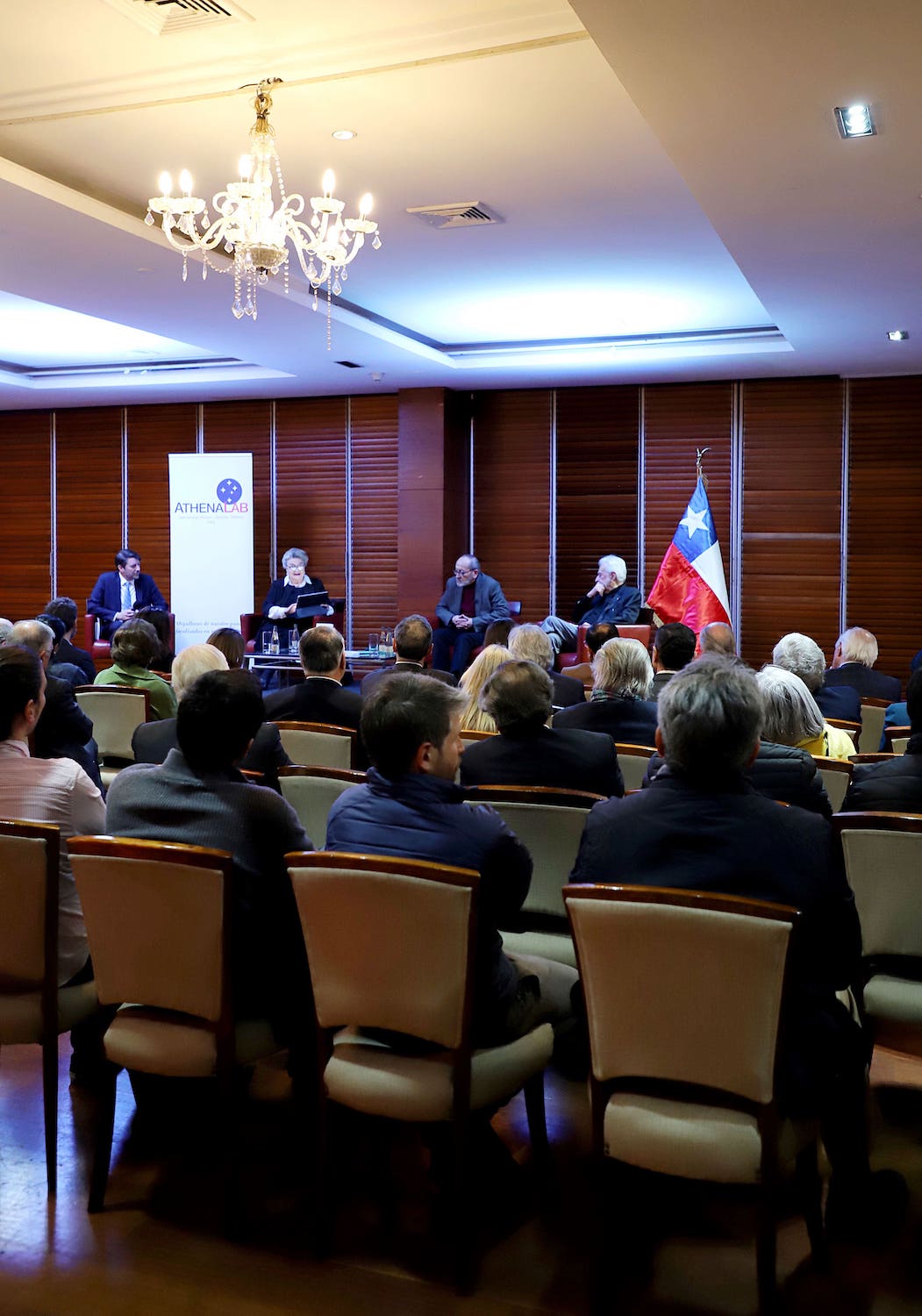
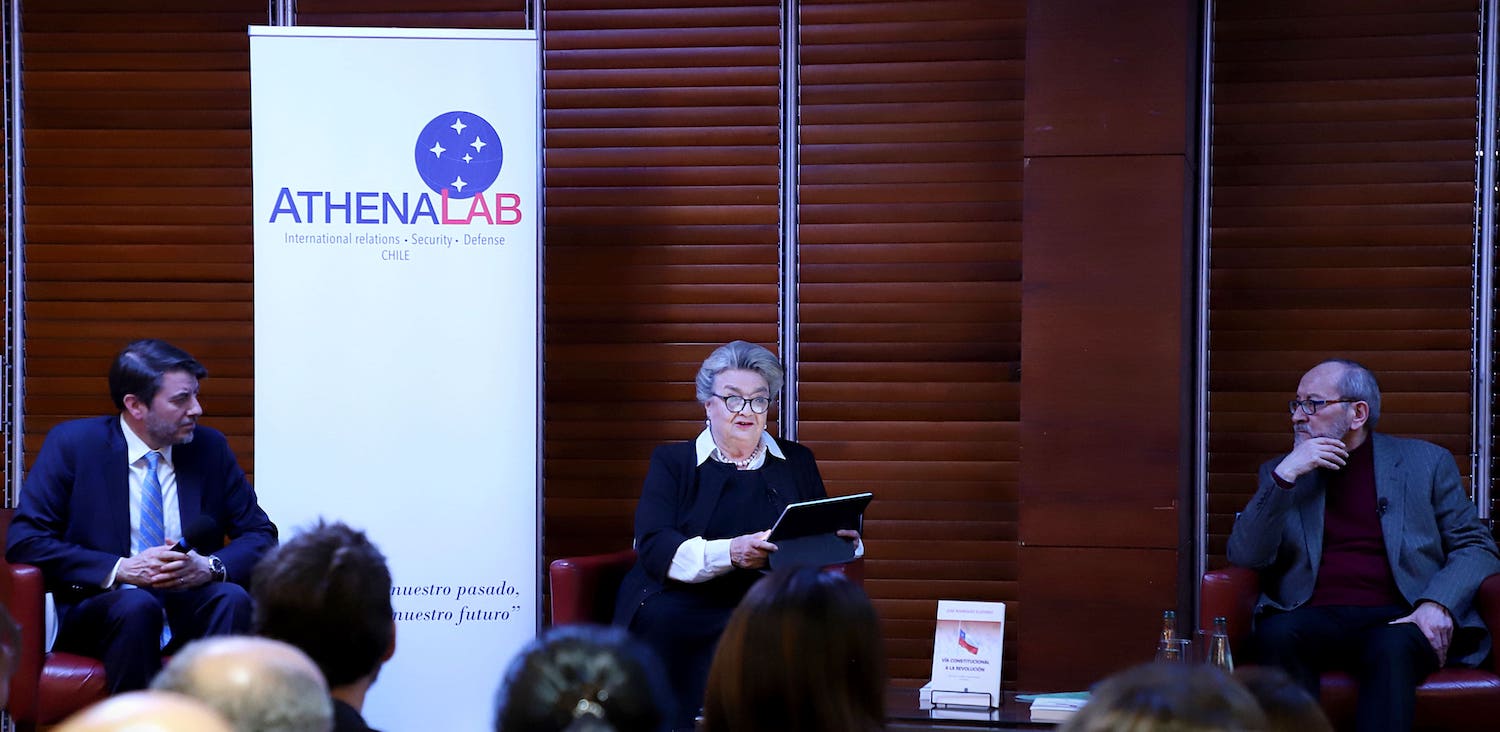
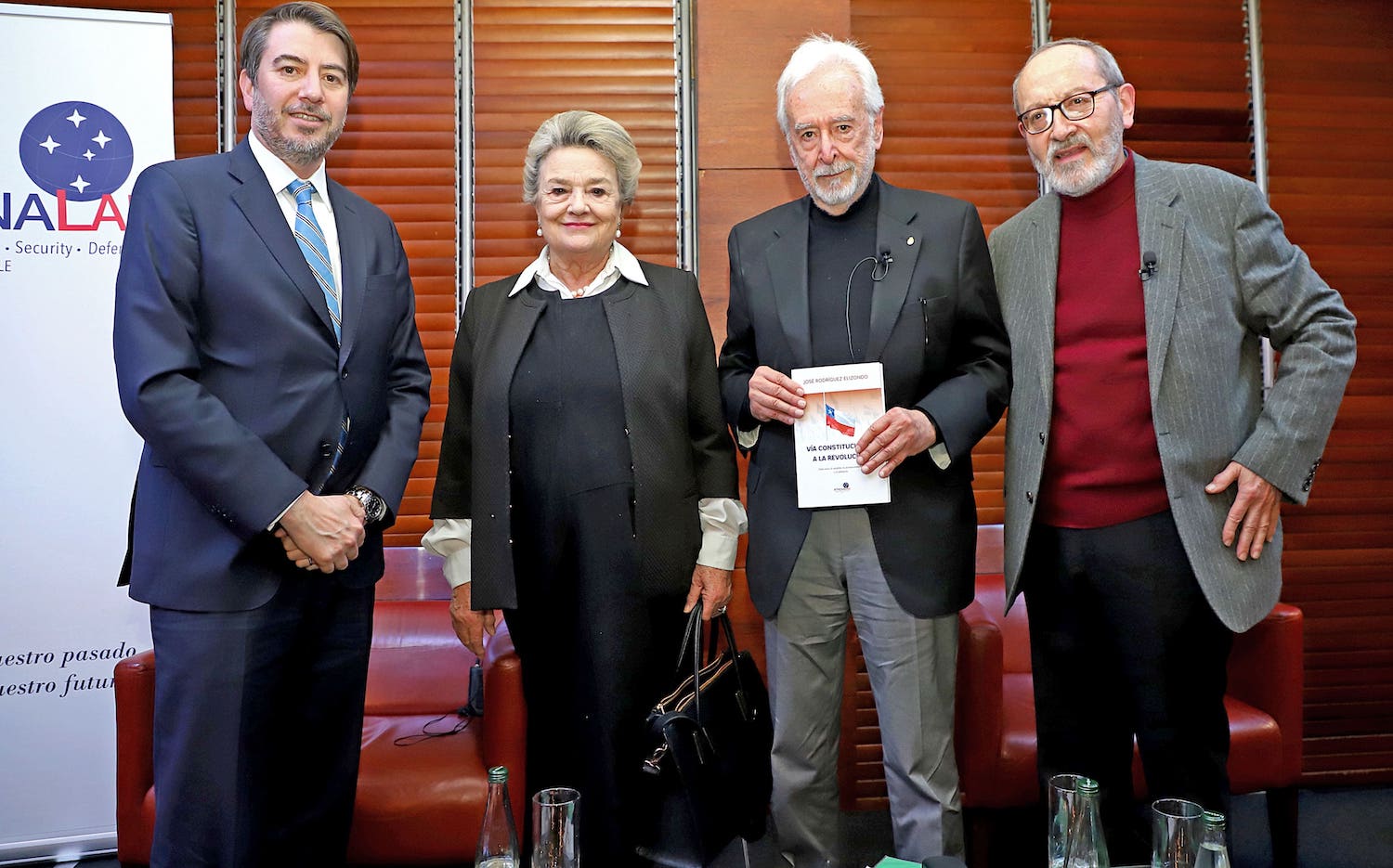
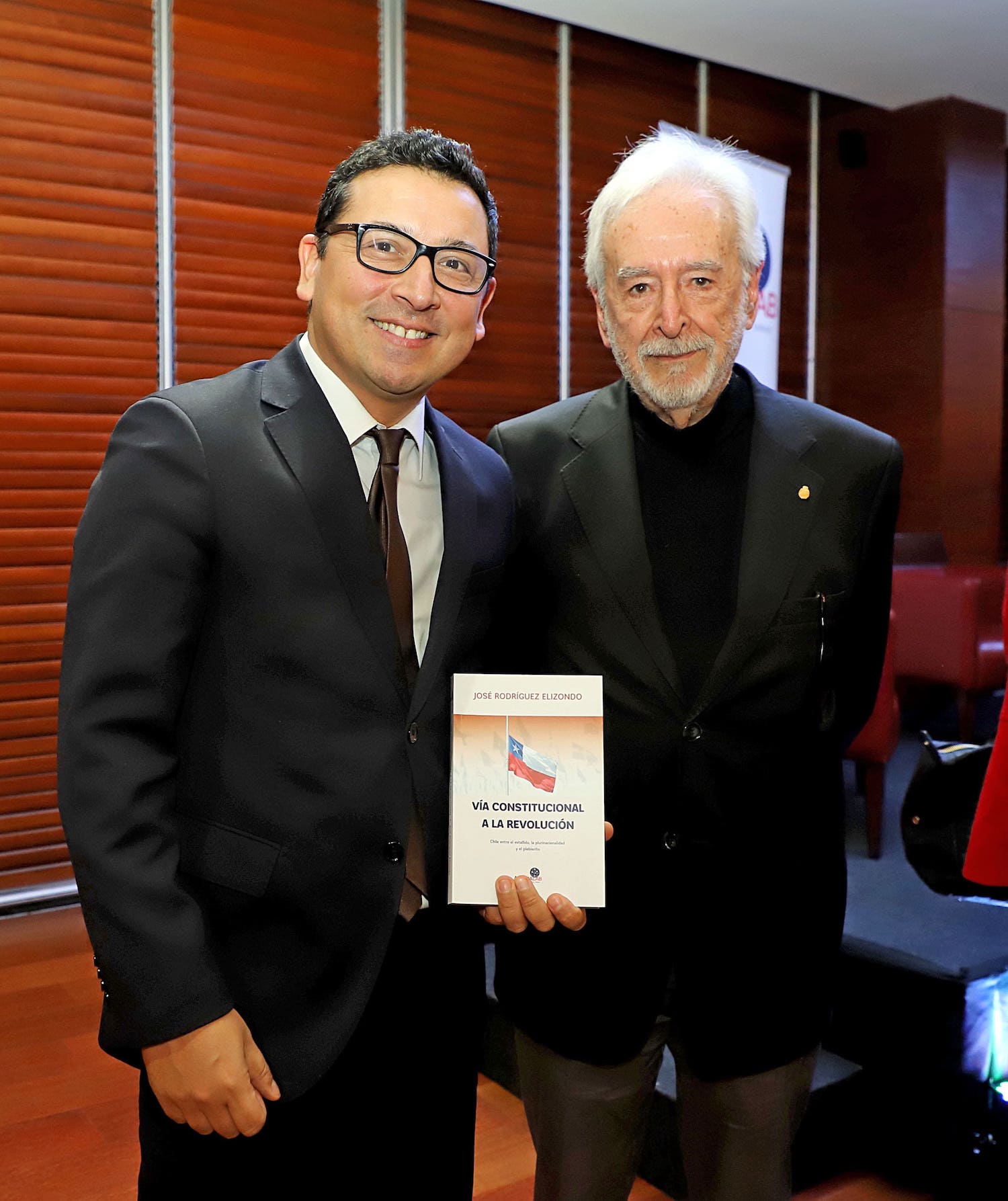
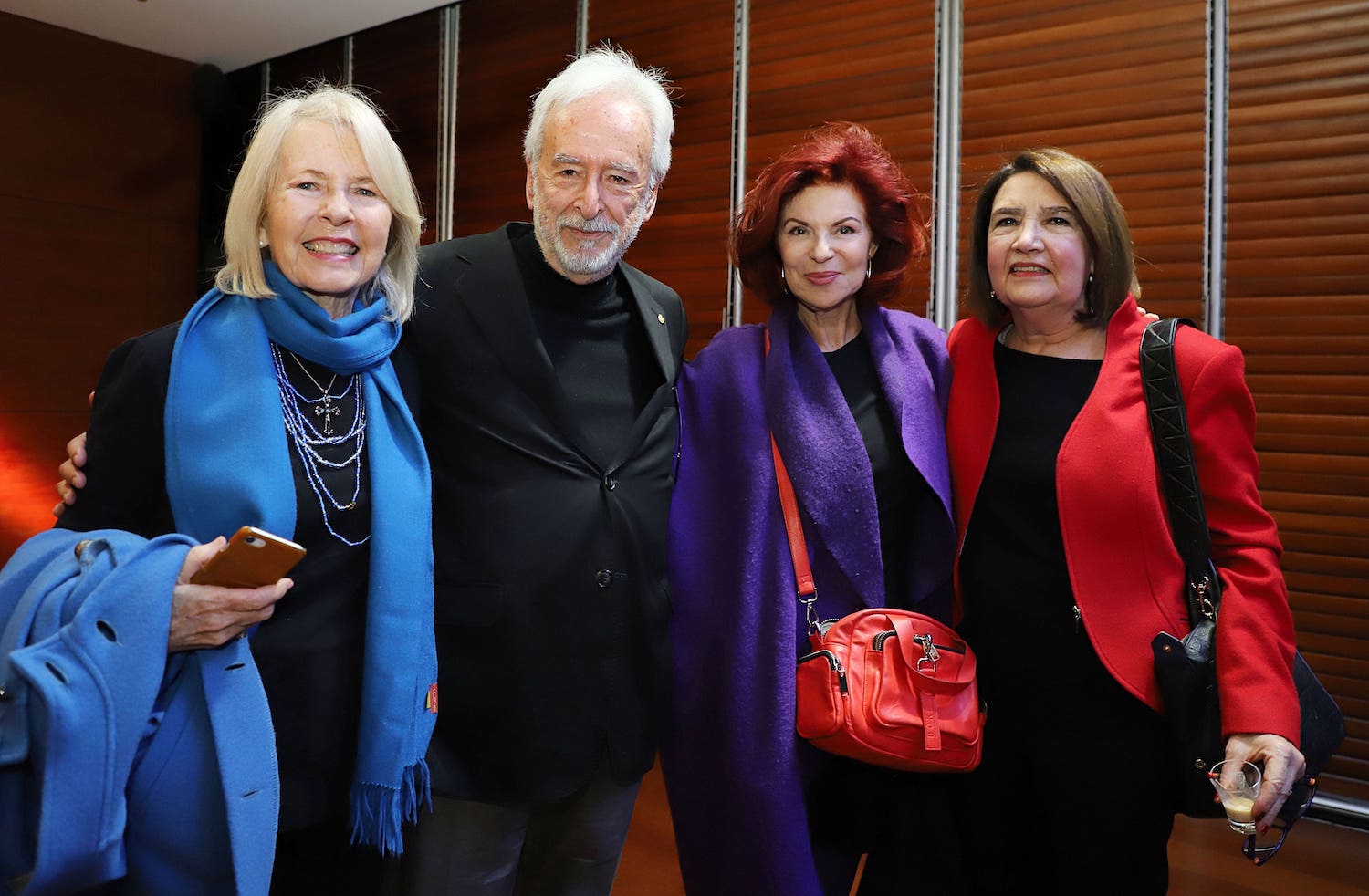
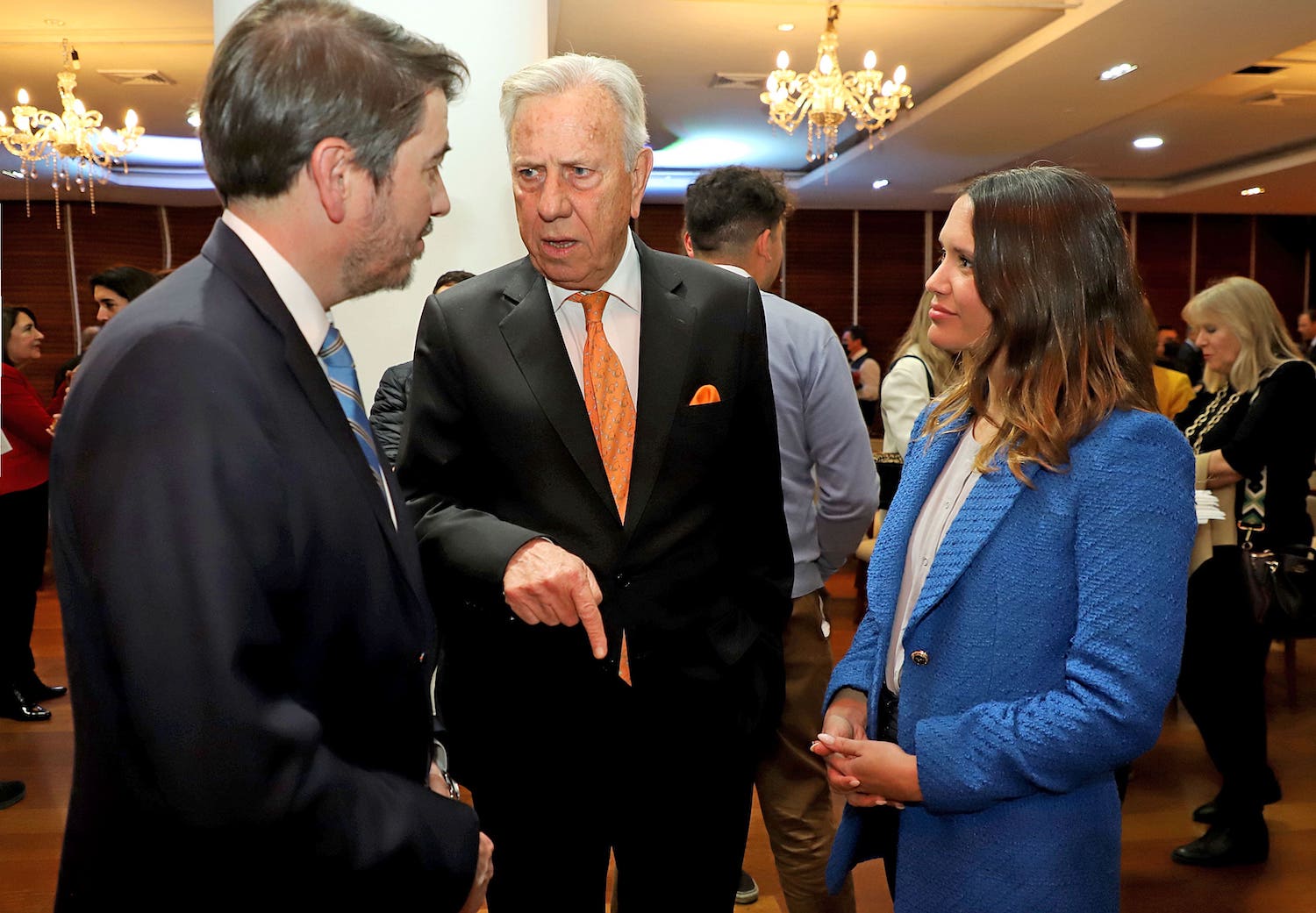
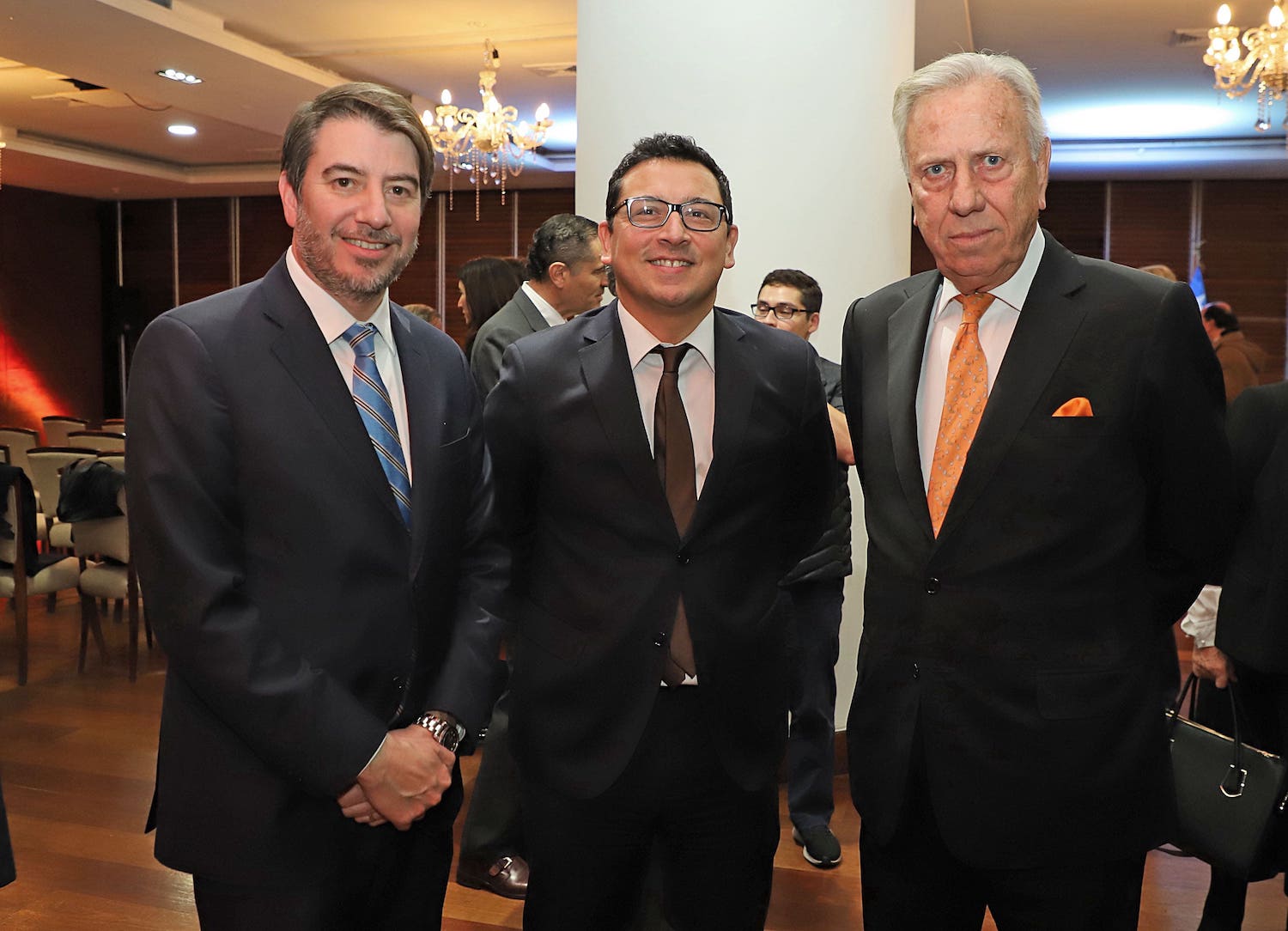
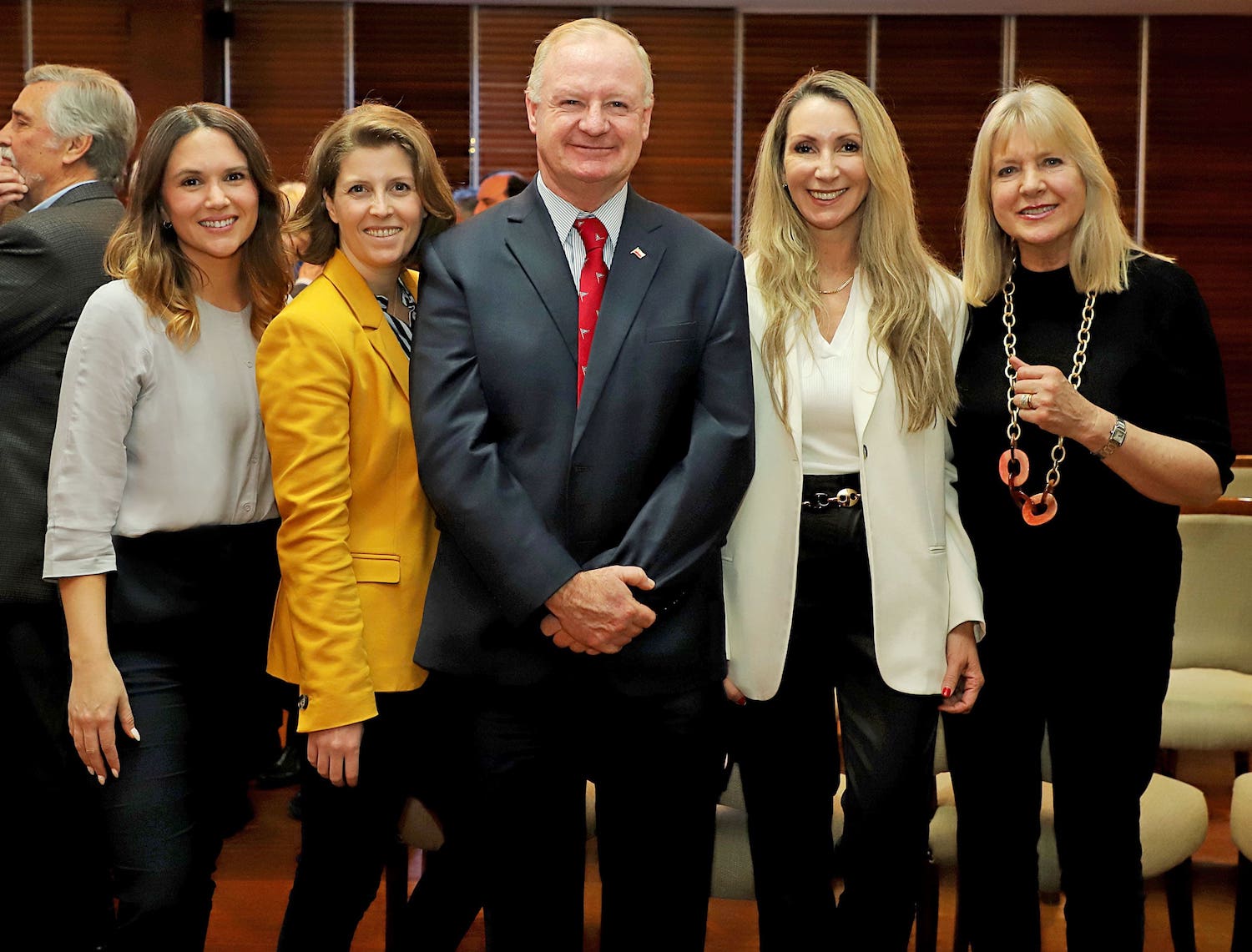
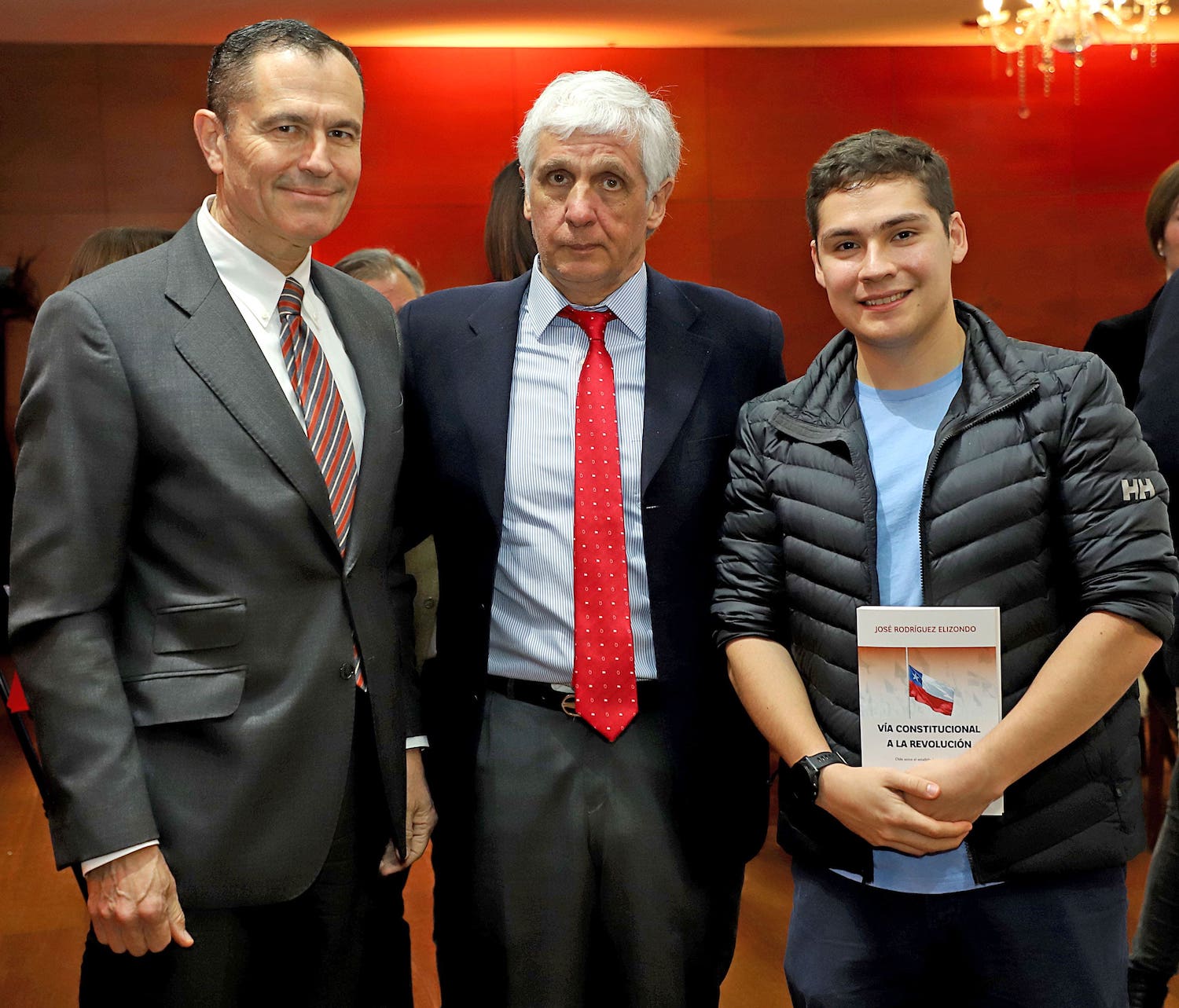
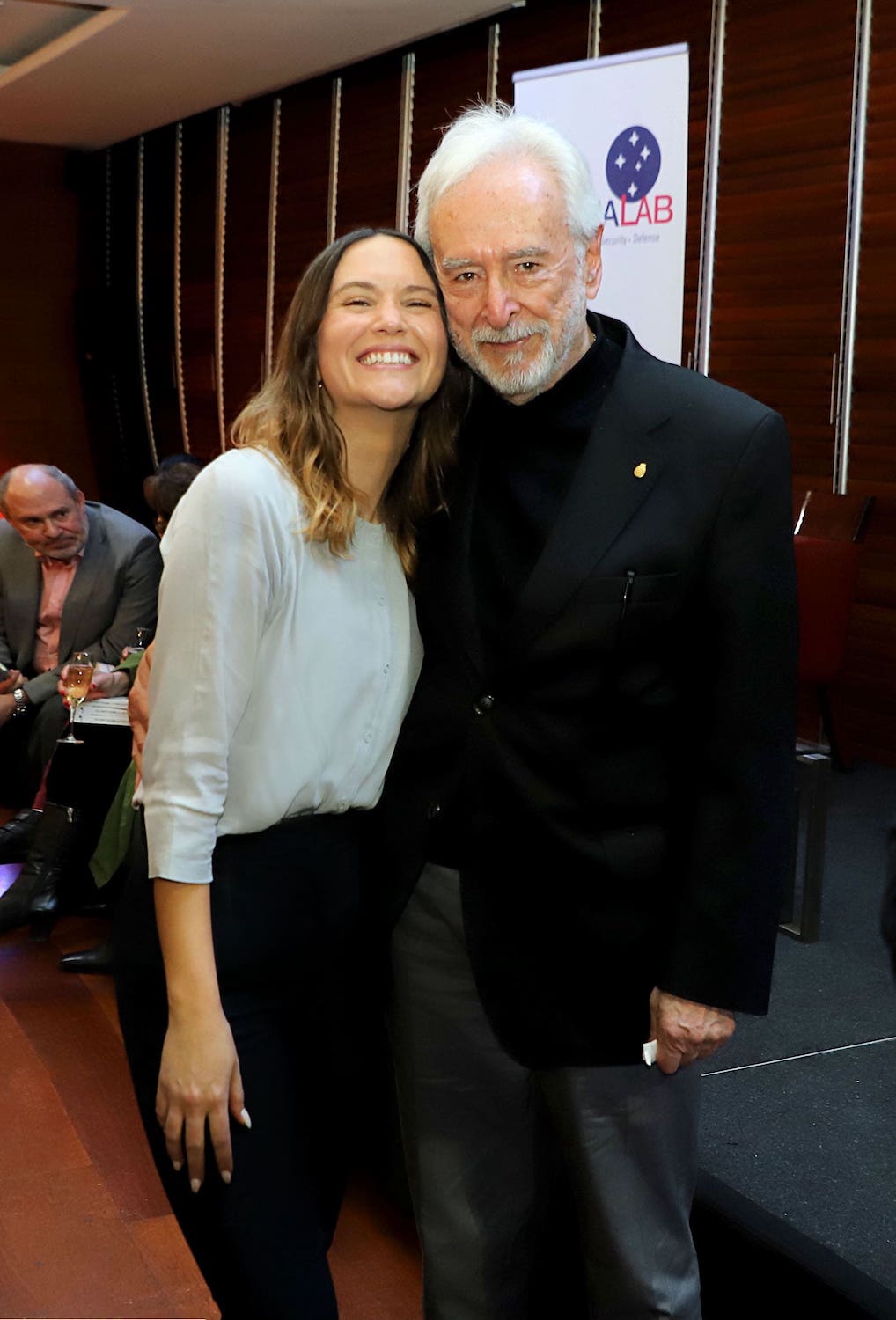
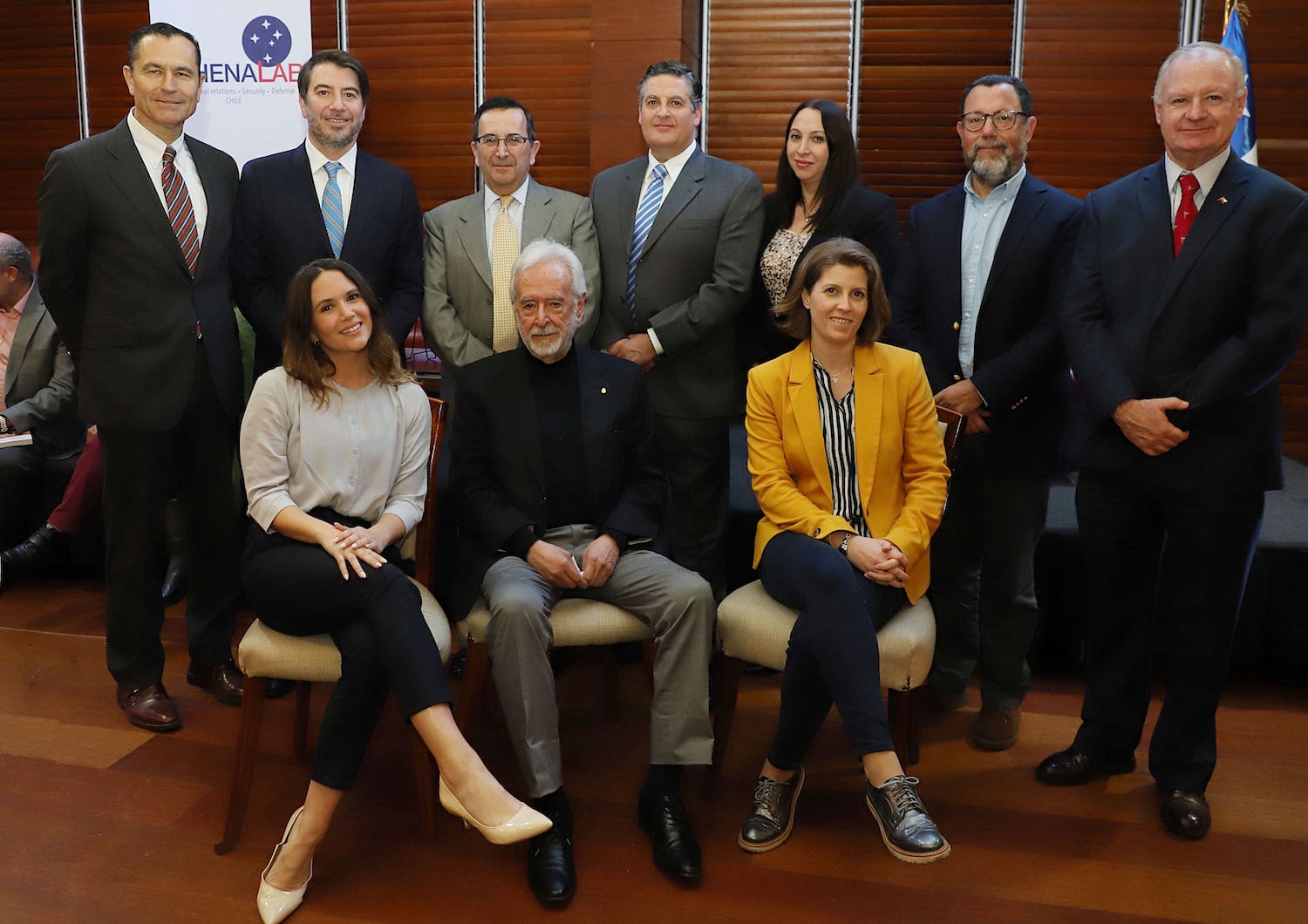
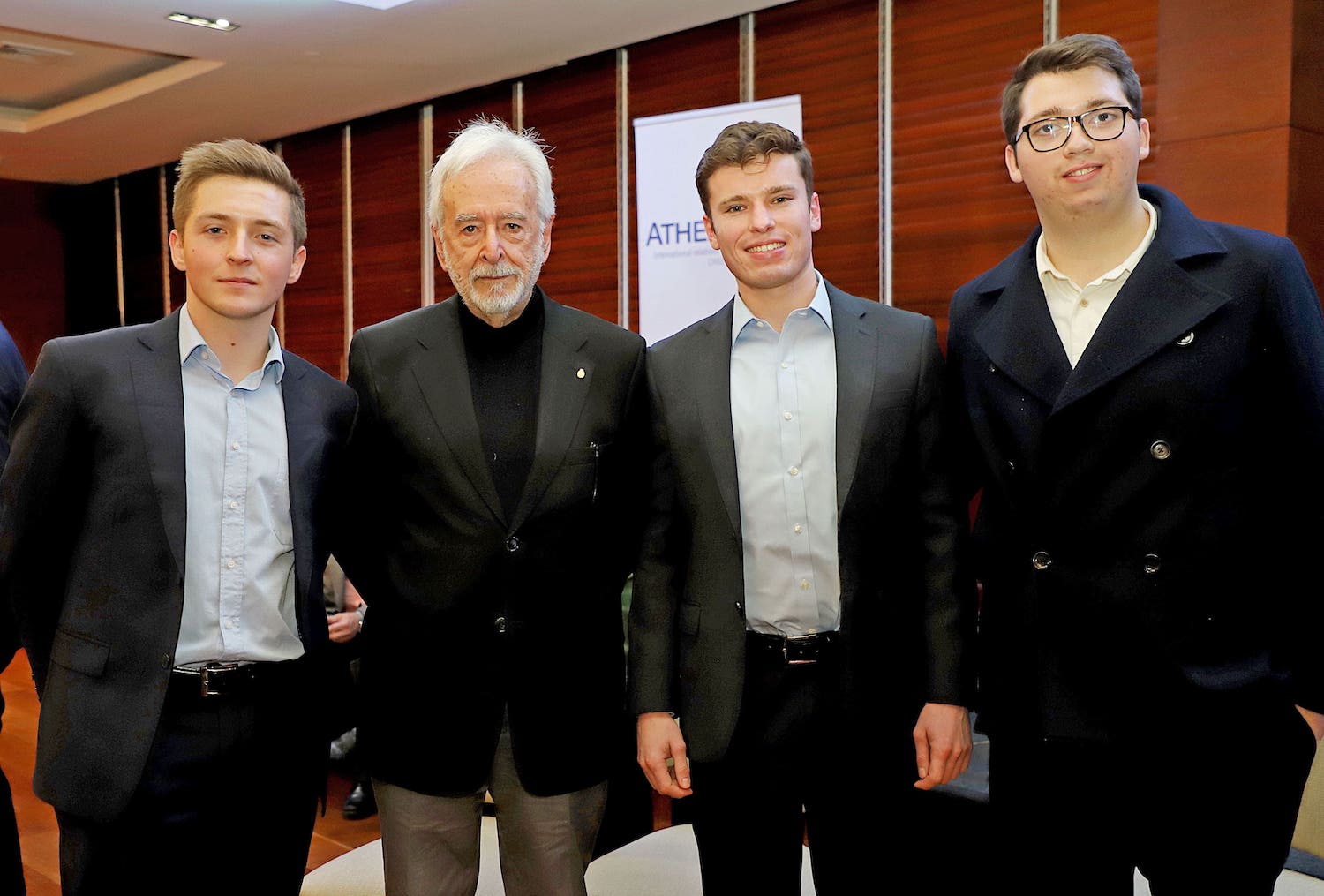
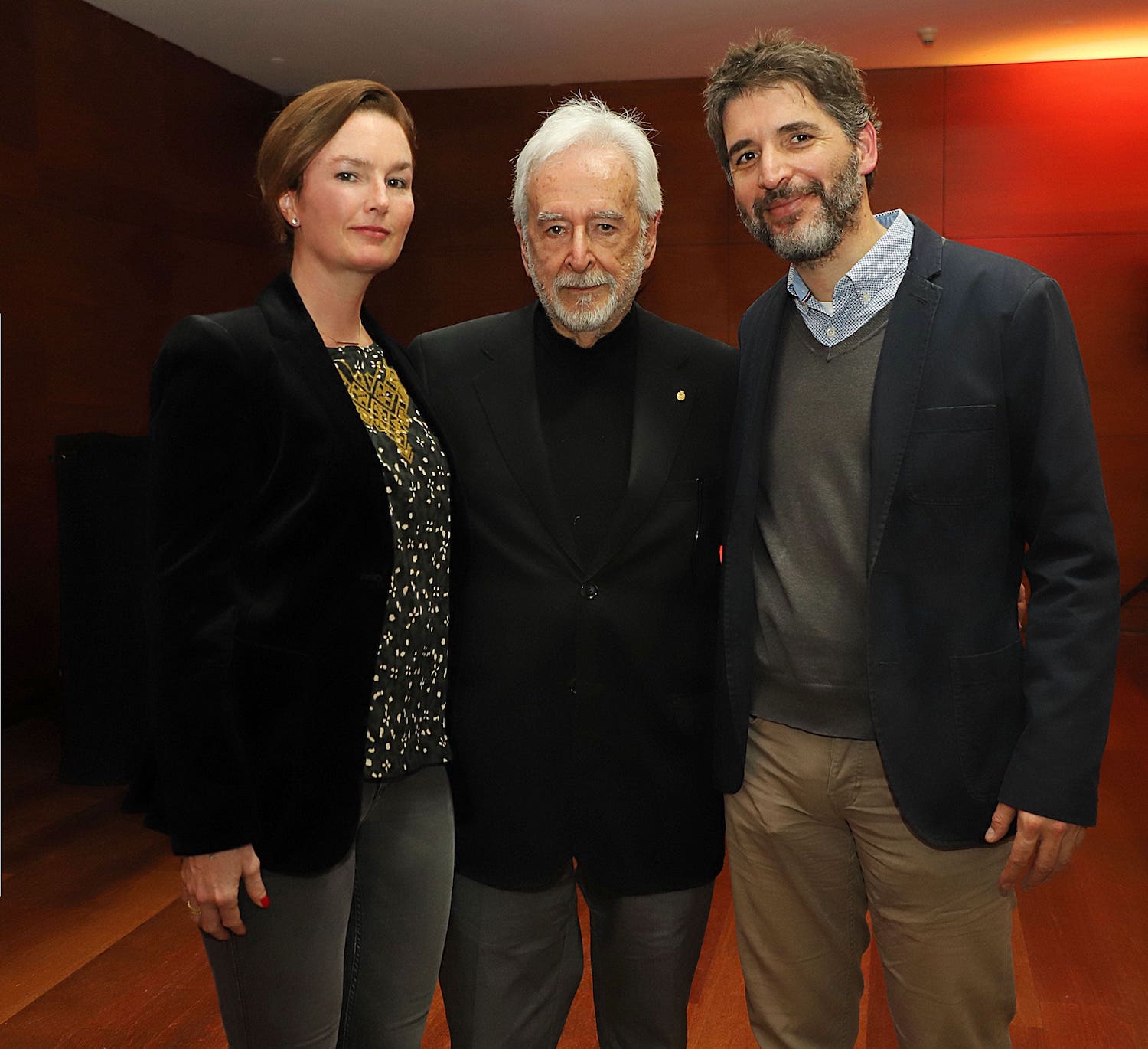
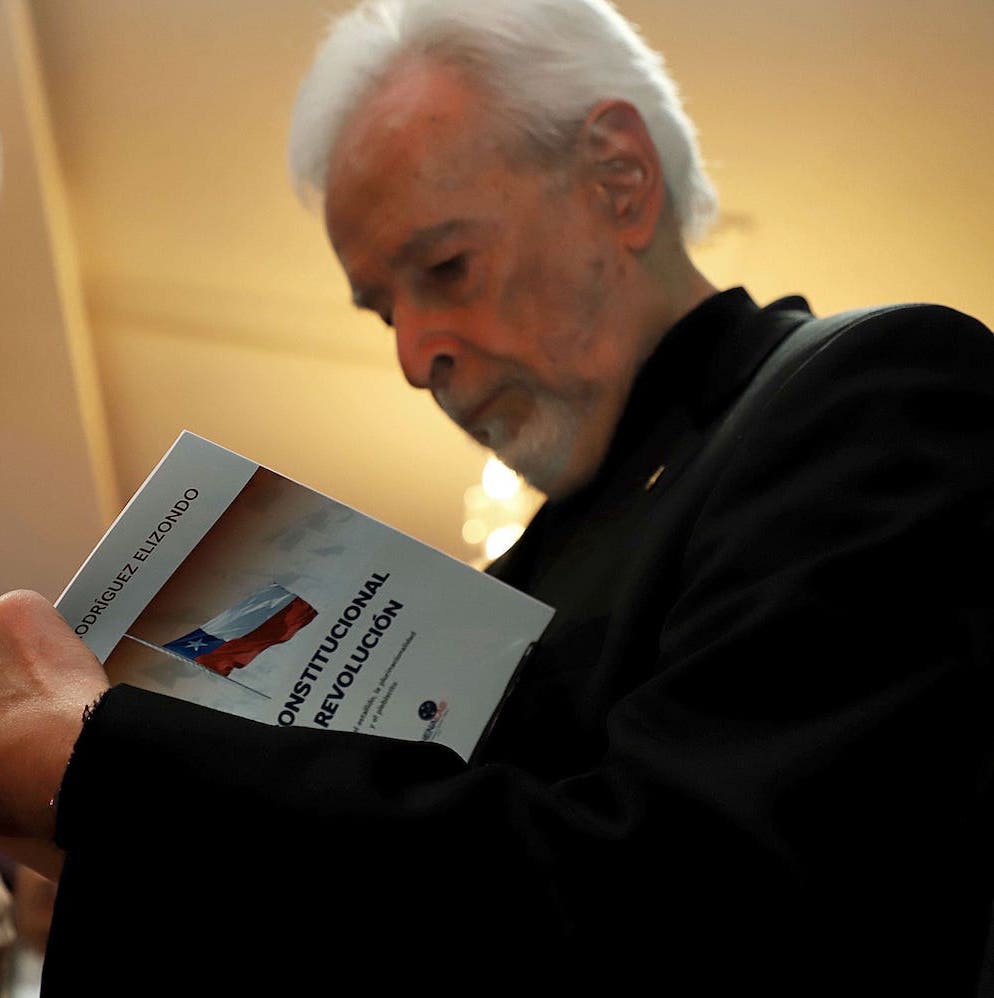
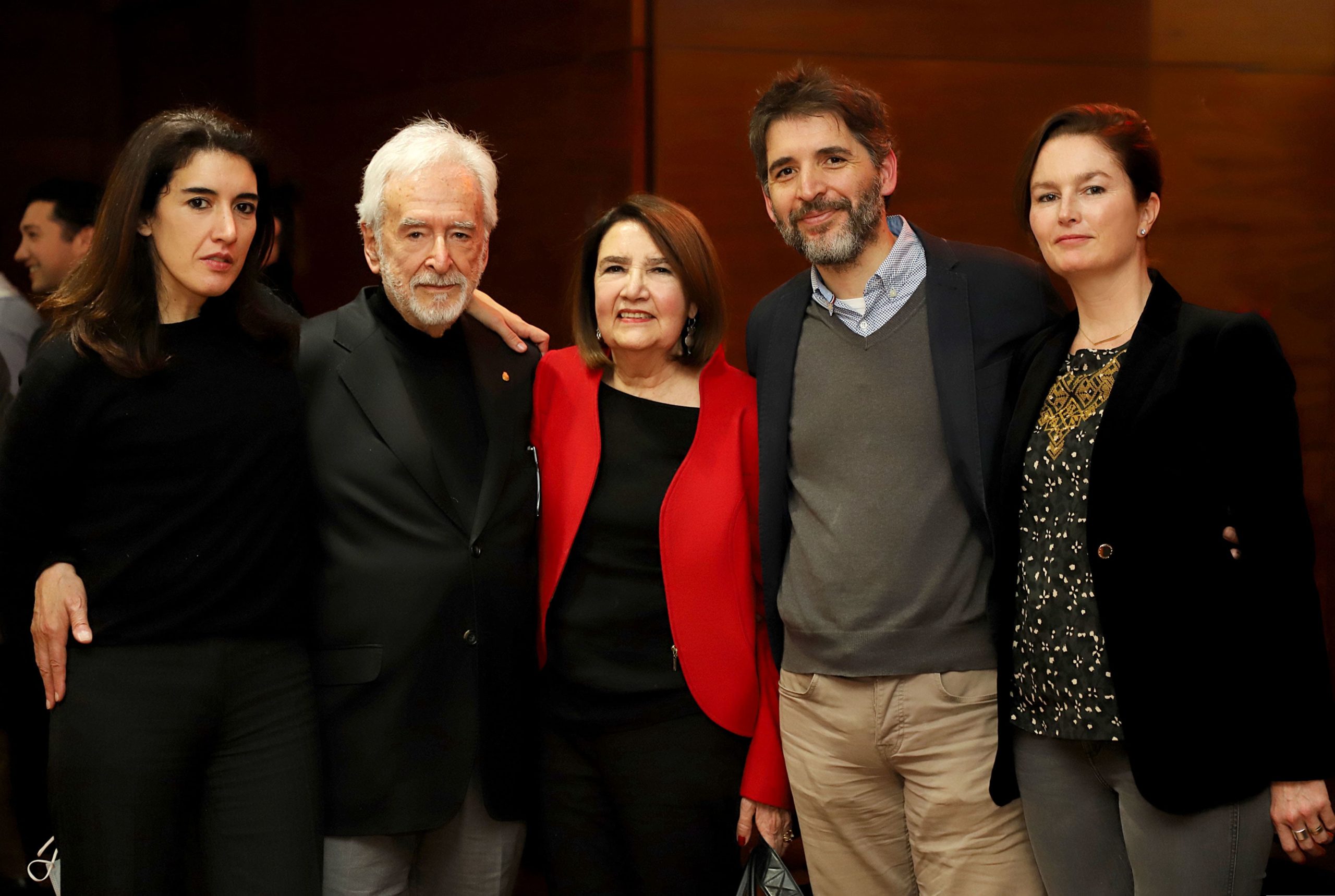
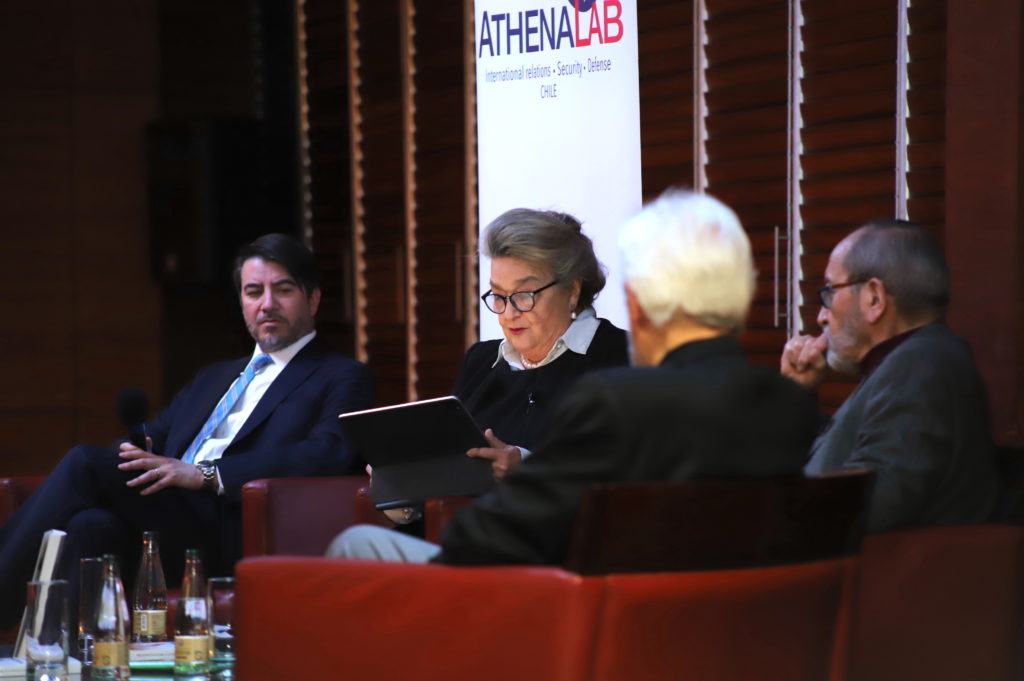
AthenaLab launched this week the book “Constitutional Path to Revolution: Chile Between the Outbreak, Plurinationality, and the Plebiscite,” by José Rodríguez Elizondo, a prominent writer and member of the advisory council. The event featured Lucía Santa Cruz and Sergio Muñoz Riveros as commentators.
By exploring this book, readers will gain insight into the development, almost in real-time, of the political crisis that has been unsettling us since the end of Sebastián Piñera’s government. They will better understand the connections between university protests, the outbreak of the 2019 uprising, the terrorism that authorities hesitated to name, the constitutional process as a last-ditch solution, and the constitutional draft that will be submitted to a plebiscite on September 4 of this year, which defines Chile as a plurinational state. A unitary national state is stronger and more manageable than one composed of various nations. Fundamentally, because the incorporation and separation of inhabited territorial entities are often not related to law, but to traumatic processes: the result of a civil war, defeat in a conventional war, a post-World War agreement, or the implosion of a parent state. Our constitutional delegates have staged an exceptional case by defining Chile as a plurinational state: a process of peaceful fragmentation of the state by majority vote. If approved by the citizenry, it would be another example that Chile is eager to present to the world.
Watch the full launch below:
Read HERE the review by Sergio Muñoz Riveros



















RECOMMENDED
➡ Extensive media coverage of the launch of the book “Constitutional Path to Revolution” by José Rodríguez Elizondo
*This book is now available in bookstores: Qué Leo Tobalaba, Qué Leo Vivo Lo Barnechea, Librería Francesa, Laberinto, Espacio Ñuñoa, Librería Imaginaria, Clepsidra, Qué Leo Simón Bolivar, Qué Leo Duble Almeyda, Truman, and more.
To purchase online HERE